


 Local Movers
 Last-Minute Movers
 Junk Removal
 Long Distance Movers
 Piano Movers
 Heavy Equipment
 Commercial Movers
 Moving Container
 Car Transportation
 Furniture Movers
 Truck Rental
 Moving Cost Calculator
 Moving Planner
 Packing Calculator
 Moving Checklist
 Moving Insurance
 FAQ
 Contact Us
 Moving Loan
 Privacy Policy
 Join Our Network
 About Us
Moving Business Address Checklist: Your Essential Guide


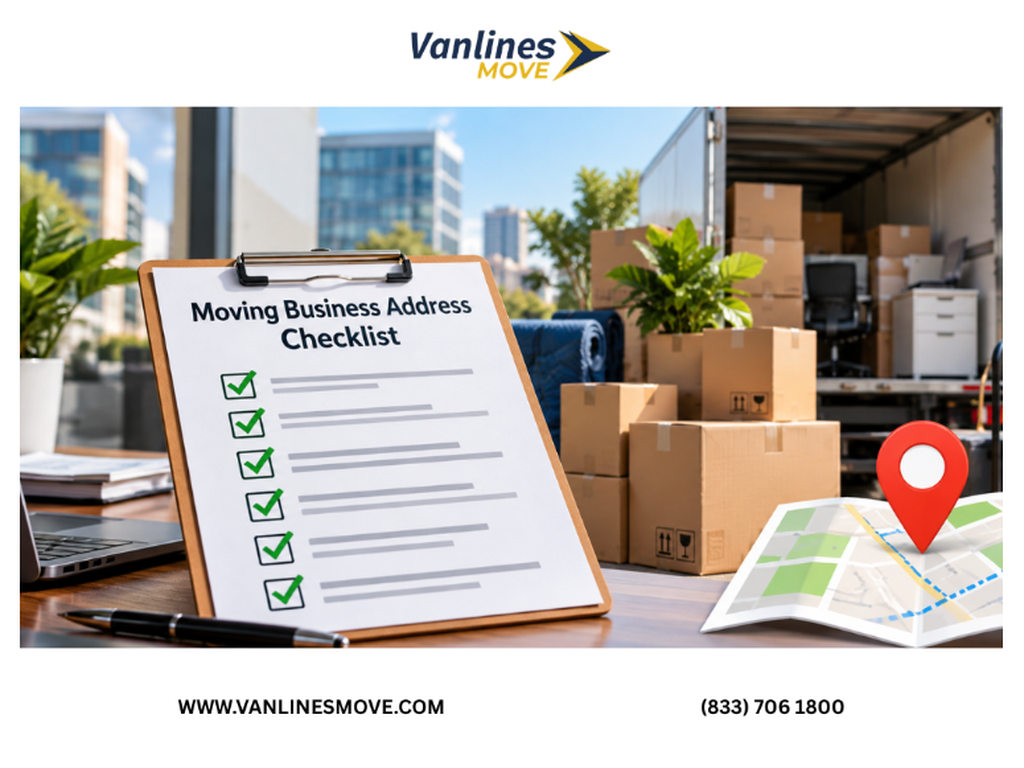
Relocating a business is a monumental task, but with meticulous planning, it can be a seamless transition that sets your company up for future success. Updating your business address isn't just about changing a number on your letterhead; it involves a complex web of administrative, legal, financial, and marketing adjustments. This comprehensive checklist will guide you through every critical step, ensuring you don't miss a beat.
Moving Business Address Checklist
Phase 1: Pre-Move Planning & Logistics (3-6 Months Out)
The success of your business move hinges on early and detailed planning. Give yourself ample time to coordinate all moving parts.
1. Establish a Timeline & Budget
- Define Your Move Date: Set a realistic target date for your relocation.
- Allocate Budget: Factor in moving costs, new office setup, potential downtime, new signage, and marketing updates.
- Create a Master Checklist: Break down the entire process into manageable tasks with assigned responsibilities and deadlines.
2. Assemble Your Relocation Team
- Appoint a Project Manager: Designate a key individual to oversee the entire relocation process.
- Engage Professional Movers: Research and hire experienced commercial movers who specialize in business relocations. Obtain multiple quotes and check references.
- Consult Key Personnel: Involve department heads (IT, HR, Operations) to ensure all needs are met.
3. Evaluate Your Needs
- Assess New Space Requirements: Confirm layout, electrical capacity, network infrastructure, and other specific needs of your new location.
- Inventory & Declutter: Take stock of all assets. Decide what to move, sell, donate, or discard.
- Consider Moving Insurance: Protect your valuable business assets during transit. It's crucial to understand your coverage options and determine if additional moving insurance is necessary beyond standard carrier liability.
Phase 2: Administrative & Legal Updates (1-3 Months Out)
Ensuring your business remains compliant with all legal and regulatory requirements is paramount.
1. Government & Regulatory Bodies
- Secretary of State / Business Registration: Update your registered agent address and official business address with the relevant state agency.
- Internal Revenue Service (IRS): Notify the IRS of your address change for federal tax purposes.
- State & Local Tax Authorities: Update your address for sales tax, property tax, and other state/local taxes.
- Employer Identification Number (EIN): Ensure your EIN records reflect the new address.
2. Licenses & Permits
- Business Licenses: Research and apply for any new local or state business licenses required for your new address. Update existing ones.
- Professional Licenses: If applicable, update any professional licenses held by the business or its employees.
- Zoning & Occupancy Permits: Verify that your new location complies with local zoning laws and obtain necessary occupancy permits.
3. Postal Service
- Submit a Change of Address: File a Commercial Mail Forwarding request with the U.S. Postal Service (USPS) to ensure mail is redirected to your new location.
Phase 3: Financial & Supplier Communications (1-2 Months Out)
Maintaining clear communication with financial institutions and suppliers prevents disruptions to your cash flow and operations.
1. Banking & Financial Institutions
- Notify Your Bank: Inform all banks where your business holds accounts about your new address.
- Credit Card Companies: Update your billing address for all company credit cards.
- Loan & Lease Providers: Notify any institutions providing business loans or equipment leases.
- Payroll Services: Ensure your payroll provider has your updated address for tax and employee records.
2. Suppliers & Vendors
- Inform All Suppliers: Notify all your product and service providers (e.g., office supplies, cleaning services, maintenance) of your new address.
- Update Billing Addresses: Ensure all invoices and statements are sent to the correct location.
Phase 4: Customer & Online Presence Updates (4-8 Weeks Out)
Your online presence and customer communication are vital for maintaining business continuity and avoiding confusion.
1. Website & SEO
- Update Contact Page: Change your address and any associated contact numbers on your website's contact us page.
- Google Business Profile (GBP): This is CRITICAL. Update your business address, hours, and service area in your Google Business Profile. Request a new verification if prompted.
- Local Citations & Directories: Update your business information (Name, Address, Phone Number - NAP) across all online directories (Yelp, Yellow Pages, industry-specific sites, etc.) to ensure consistency. This is crucial for local SEO.
- Social Media Profiles: Update your address on all active social media platforms (Facebook, LinkedIn, Instagram, etc.).
2. Marketing Materials & Stationery
- Order New Business Cards: Design and order new business cards with the updated address.
- Update Brochures & Flyers: Revise any printed marketing materials.
- Email Signatures: Update staff email signatures to reflect the new address.
- Letterhead & Invoices: Order new stationery, invoices, and any other printed documents.
- Signage: Plan for new exterior and interior signage at your new location.
3. Customer Communications
- Announce Your Move: Inform customers through email newsletters, website banners, social media posts, and in-store signage. Provide clear dates and directions.
- Personalized Notifications: For key clients, consider a direct email or phone call.
Phase 5: Internal Operations & Staffing (2-4 Weeks Out)
A smooth internal transition ensures your employees are ready to hit the ground running in the new space.
1. Employee Communications
- Inform Staff: Provide employees with all necessary details about the move, including new address, parking, public transport options, and move-in dates.
- Update HR Records: Ensure all employee records, benefits, and emergency contacts reflect the new business address.
2. Utilities & Services
- Schedule Disconnections/Connections: Arrange for utilities (electricity, gas, water, waste management) to be disconnected at the old site and connected at the new one.
- Transfer Internet, Phone & Security Systems: Coordinate with your service providers for seamless transfer and setup at the new location.
- Cleaning Services: Arrange for cleaning at both old and new premises.
3. IT & Equipment Relocation
- Back Up All Data: Perform comprehensive backups of all servers and critical data.
- Plan for Server & Network Migration: Work with your IT team or provider to ensure a smooth transfer of all IT infrastructure.
- Disconnect & Reconnect Equipment: Plan the systematic disconnection, packing, and reconnection of computers, printers, and other office equipment.
Phase 6: Post-Move Follow-Up (First Few Weeks)
The move isn't over once the boxes are unpacked. Ongoing vigilance ensures all updates have taken effect.
- Inspect New Premises: Conduct a thorough walkthrough to ensure everything is in order and all services are active.
- Update Internal Directories: Ensure internal phone lists, directories, and emergency contact information reflect the new address.
- Monitor Mail Forwarding: Regularly check that all mail is being successfully redirected.
- Solicit Feedback: Gather input from employees and customers on the transition to identify any lingering issues.
- Review & Refine: Use the experience to refine your relocation process for future needs, helping you better understand how to find the best movers and manage logistics.
Moving a business is a complex endeavor, but by following this comprehensive checklist, you can minimize stress, avoid costly oversights, and position your company for continued growth in its new home.
Moving Business Address Checklist
Phase 1: Pre-Move Planning & Logistics (3-6 Months Out)
A successful business relocation starts with early preparation and detailed planning. Allow sufficient time to organize the move, coordinate responsibilities, and address potential challenges before moving day.
1. Establish a Timeline & Budget
- Define Your Move Date: Choose a realistic relocation date that allows enough time to prepare employees, equipment, customers, and business operations.
- Allocate a Budget: Account for commercial moving services, office setup, potential downtime, new signage, packing materials, and marketing updates.
- Create a Master Checklist: Divide the relocation process into manageable tasks, assigning responsibilities and deadlines to ensure everything stays on schedule.
2. Assemble Your Relocation Team
- Appoint a Project Manager: Assign a responsible individual to coordinate the relocation, monitor progress, and manage communication between departments.
- Engage Professional Movers: Research and hire experienced commercial movers who specialize in business relocations. Compare multiple estimates, review customer feedback, and check references before making a decision.
- Consult Key Personnel: Involve department heads from IT, HR, operations, and administration to identify department-specific requirements and ensure a coordinated move.
3. Evaluate Your Business Needs
- Assess New Space Requirements: Evaluate the new office layout, electrical capacity, internet connectivity, network infrastructure, storage, and other requirements before finalizing the location.
- Inventory & Declutter: Prepare an inventory of business assets, office furniture, equipment, and supplies. Decide which items should be relocated, sold, donated, or discarded.
- Consider Moving Insurance: Review coverage options to protect valuable business assets during transportation. Determine whether additional moving insurance is necessary beyond the standard carrier liability coverage.
Phase 2: Administrative & Legal Updates (1-3 Months Out)
Updating your business address with government agencies and regulatory organizations is essential for maintaining compliance. Complete these changes early to prevent delays, missed notices, or administrative complications.
1. Government & Regulatory Bodies
- Secretary of State / Business Registration: Update your registered business address and registered agent information with the appropriate state agency, following applicable filing requirements.
- Internal Revenue Service (IRS): Notify the IRS about your business address change using the appropriate procedure to ensure federal tax correspondence reaches the correct location.
- State & Local Tax Authorities: Update your business address with relevant state and local tax agencies for sales tax, property tax, payroll tax, and other applicable tax obligations.
- Employer Identification Number (EIN): Ensure the address associated with your EIN records is updated through the appropriate IRS process. Your EIN generally remains the same when only your business address changes.
2. Licenses & Permits
- Business Licenses: Check whether your new location requires additional local or state business licenses. Update existing licenses and registrations as necessary.
- Professional Licenses: If your company operates in a regulated industry, update applicable professional licenses and business-related registrations.
- Zoning & Occupancy Permits: Confirm that the new premises comply with local zoning regulations, building codes, fire safety requirements, and occupancy permit requirements.
3. Postal Service
- Submit a Change of Address: File the appropriate Commercial Mail Forwarding request with the U.S. Postal Service (USPS) to redirect eligible business mail from your previous address to the new location.
Phase 3: Financial & Supplier Communications (1-2 Months Out)
Maintaining accurate financial records and notifying suppliers about your relocation helps prevent billing errors, delayed payments, and interruptions to essential business services.
1. Banking & Financial Institutions
- Notify Your Bank: Contact all banks where your business maintains checking accounts, savings accounts, or other financial services to update your registered business address.
- Credit Card Companies: Update the billing and business addresses associated with company credit cards to prevent payment and verification issues.
- Loan & Lease Providers: Inform financial institutions, lenders, and equipment leasing companies about your new business location.
- Payroll Services: Update your address with payroll providers to maintain accurate employee, tax, and payroll documentation.
2. Suppliers & Vendors
- Inform All Suppliers: Notify product suppliers, service providers, office supply companies, cleaning services, maintenance contractors, and other vendors about your relocation.
- Update Billing Addresses: Confirm that invoices, purchase orders, account statements, and other business correspondence are directed to the correct address.
Phase 4: Customer & Online Presence Updates (4-8 Weeks Out)
Your online presence plays an important role in maintaining customer trust and business visibility during a relocation. Updating your website, online directories, and marketing materials helps customers find your company at its new location without confusion.
1. Website & SEO
- Update Contact Page: Replace your old business address, contact numbers, and location details on your website's contact page and other relevant sections.
- Google Business Profile (GBP): Update your business address, operating hours, and service area in your Google Business Profile. Complete any verification steps requested by Google to maintain accurate business information.
- Local Citations & Directories: Update your business name, address, and phone number (NAP) across online directories such as Yelp, Yellow Pages, and relevant industry-specific platforms. Consistent business information supports local SEO and helps customers discover your company.
- Social Media Profiles: Update your location and contact information across active social media accounts, including Facebook, LinkedIn, and Instagram.
2. Marketing Materials & Stationery
- Order New Business Cards: Design and print updated business cards displaying your new business address and contact details.
- Update Brochures & Flyers: Review and revise printed marketing materials to remove outdated location information.
- Email Signatures: Update employee email signatures with the new business address, phone numbers, and other relevant contact details.
- Letterhead & Invoices: Revise company letterheads, invoices, quotation templates, and other official documents to reflect the updated address.
- Signage: Arrange new exterior and interior signage to help customers, visitors, and employees identify and navigate the relocated premises.
3. Customer Communications
- Announce Your Move: Inform customers about the relocation through email newsletters, website announcements, social media posts, and physical signage. Include the new address, relocation date, and directions where appropriate.
- Personalized Notifications: Contact important clients and business partners directly through email or phone calls to explain the relocation and address any concerns about ongoing services.
Phase 5: Internal Operations & Staffing (2-4 Weeks Out)
A well-organized internal transition ensures employees understand the relocation process and are prepared to resume their responsibilities efficiently after the move.
1. Employee Communications
- Inform Staff: Share all essential relocation details with employees, including the new address, parking arrangements, public transportation options, and expected move-in dates.
- Update HR Records: Review and update relevant employee records, workplace information, benefits documentation, and emergency contact details wherever necessary.
2. Utilities & Services
- Schedule Disconnections/Connections: Arrange the disconnection of electricity, gas, water, and waste management services at the old premises and schedule their activation at the new location.
- Transfer Internet, Phone & Security Systems: Coordinate with service providers to transfer internet connections, business phone systems, access controls, and security equipment with minimal downtime.
- Cleaning Services: Schedule professional cleaning for both the old and new premises to ensure a smooth handover and a comfortable working environment.
3. IT & Equipment Relocation
- Back Up All Data: Create comprehensive backups of important business files, databases, servers, and other critical digital information before disconnecting any IT equipment.
- Plan for Server & Network Migration: Coordinate with your IT department or service provider to plan the relocation of servers, networking equipment, software systems, and other IT infrastructure.
- Disconnect & Reconnect Equipment: Organize the systematic disconnection, labeling, packing, transportation, and reconnection of computers, printers, workstations, and other office equipment.
Phase 6: Post-Move Follow-Up (First Few Weeks)
Your relocation responsibilities continue even after the last piece of equipment reaches the new office. Conducting post-move checks helps identify overlooked tasks, maintain business continuity, and ensure employees and customers experience a smooth transition.
1. Inspect the New Premises
- Conduct a Thorough Walkthrough: Inspect the new office to confirm that furniture, equipment, utilities, security systems, and essential services are functioning correctly.
- Verify IT Infrastructure: Test internet connectivity, business phone systems, computers, printers, servers, and other essential technology to confirm that daily operations can resume.
2. Update Internal Directories & Records
- Update Internal Directories: Ensure company phone lists, employee directories, emergency contact information, and internal documentation reflect the new business address.
- Review Business Records: Check that important contracts, vendor records, insurance documents, and administrative files contain accurate location information.
3. Monitor Mail Forwarding
- Check Redirected Mail: Regularly monitor incoming mail to confirm that eligible correspondence is successfully reaching the new business location.
- Follow Up on Missing Correspondence: Contact important senders if invoices, legal notices, customer documents, or other expected mail items are not arriving.
4. Collect Feedback & Review the Transition
- Solicit Feedback: Gather feedback from employees, customers, and business partners to identify any problems caused by the relocation.
- Review & Refine: Evaluate the entire relocation process, document lessons learned, and identify improvements for future moves. This experience can also help your company better understand how to find reliable movers and manage commercial relocation logistics.
Conclusion
Moving a business to a new address involves numerous administrative, financial, operational, and communication responsibilities. However, with a well-structured timeline, clear responsibilities, and a comprehensive checklist, you can minimize disruptions and avoid costly oversights. From updating government records and notifying suppliers to coordinating employees and restoring IT systems, every step contributes to a successful relocation. By planning ahead and working with experienced commercial movers, your company can transition smoothly into its new location and focus on continued growth and future opportunities.
Categories
- Moving Abroad & International Relocation164
- Moving Tips & How To Guides120
- Moving Tips & Specialty Moving40
- Moving Tips & How-To Guides34
- Car Shipping & Auto Transport25
- Moving Tips & Cost Guides11
- Moving Tips & Relocation Advice5
- Moving Tips & How-To Guides5
- Specialty Moving & Cost Guides4
- Relocation & Cost of Living Guides4
- Long-Distance Moving Guides3
- Moving Guides & Lifestyle3
- Moving Cost Guides3
- Moving Costs & Rental Guides3
- International Moving & Expat Living2
- Moving Tips & How-To Guides2
- Moving Costs & Planning2
- Cost of Living & Moving Insights2
- Moving Tips & Packing Guides2
- Moving Tips & Guides2
- Car Shipping & Moving Guides1
- International Moving Guides1
- Long-Distance Moving & Relocation Guides1
- Moving Costs & Junk Removal Guides1
- Moving Cost Guides & Tips1
- Home Décor & Bedroom Setup1
- Moving Costs & Pricing Guides1
- Moving Tips & Money-Saving Guides1
- Packing Tips & Moving Preparation1
- Moving Tips & Consumer Awareness1



 Chat with us on WhatsApp!



 BBB A+ Rated

 Great! We serve your area

 Licensed & Insured
 Takes 60 seconds


 Discount expires in

 Limited Time: Only 3 premium movers available in your area


 Your information is 100% secure


