


 Local Movers
 Last-Minute Movers
 Junk Removal
 Long Distance Movers
 Piano Movers
 Heavy Equipment
 Commercial Movers
 Moving Container
 Car Transportation
 Furniture Movers
 Truck Rental
 Moving Cost Calculator
 Moving Planner
 Packing Calculator
 Moving Checklist
 Moving Insurance
 FAQ
FAQ Contact Us
 Moving Loan
 Privacy Policy
 Join Our Network
 About Us
How to Move Exercise Equipment Safely: A Step-by-Step Guide


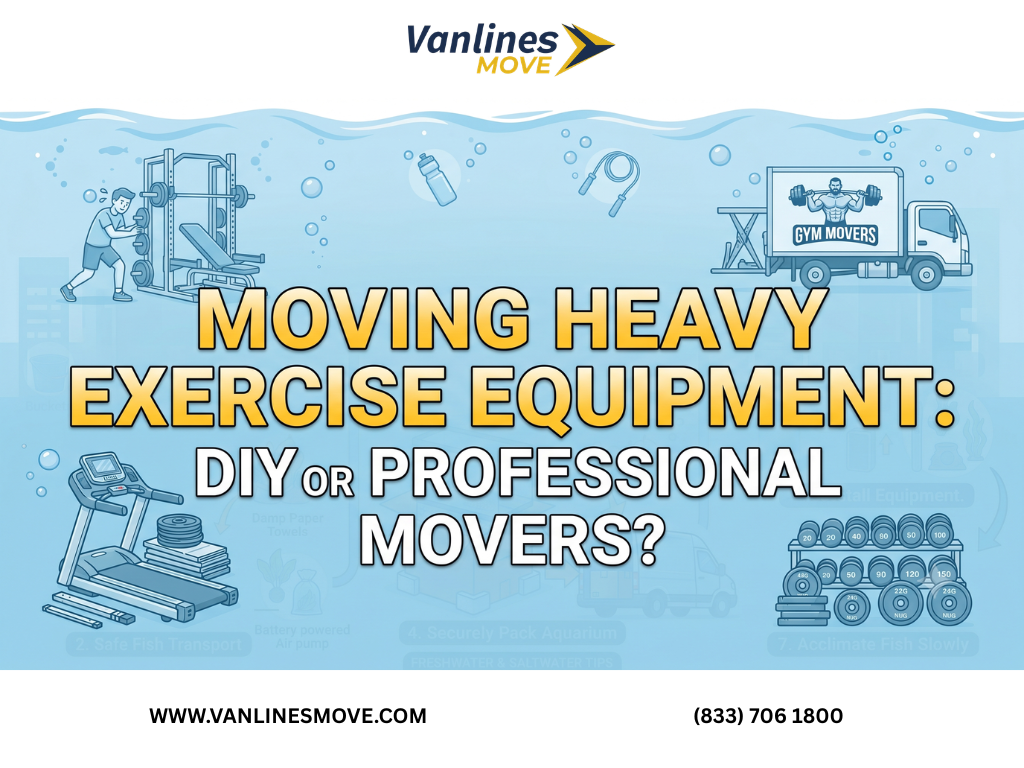
How to Move Exercise Equipment Safely: A Step-by-Step Guide
Moving exercise equipment is one of the most physically demanding tasks you will encounter during a relocation. From heavy treadmills and ellipticals to delicate weight stacks and stationary bikes, gym gear is often awkward, heavy, and prone to mechanical damage. If you are preparing for a relocation, ensuring your fitness gear arrives in working order requires careful planning and the right strategy.
1. Assess Your Equipment and Plan Ahead
Before you lift a single piece of equipment, take an inventory. Determine which items can be disassembled and which must remain intact. Check the manufacturer's manual for specific transport instructions—some electronics, like high-end treadmill consoles, are sensitive to vibrations and require special handling. If you realize that your gear is too heavy or complex to move yourself, consider hiring professional furniture movers who have the equipment and expertise to handle bulky fitness machinery.
2. The Disassembly Process
Disassembly is the key to preventing injuries and protecting your equipment. Follow these steps to prepare your gear:
- Unplug and Power Down: Always disconnect power cords from the wall. Coil the cords and secure them with zip ties so they do not become a tripping hazard.
- Remove Attachments: Take off water bottle holders, tablet stands, safety keys, and handlebars if possible.
- Organize Hardware: Place screws, bolts, and small components into labeled plastic bags. Tape these bags directly to the corresponding machine so you don’t lose them during the move.
- Protect Screens: Wrap electronic consoles in anti-static bubble wrap to prevent screen scratches and internal shock damage.
3. Packing for Protection
Once disassembled, you must protect the surfaces and internal components from the rigors of transit. Use heavy-duty moving blankets to wrap metal frames, preventing scratches and dents. For machines with moving parts, such as elliptical arms or rowing machine seats, use stretch wrap to keep components stationary during the move. If you are moving long distances, you may want to look into moving insurance to ensure your expensive equipment is protected against accidental damage.
4. Lifting and Loading Safely
Never attempt to move heavy fitness equipment alone. Use a heavy-duty appliance dolly with straps to move items like treadmills or weight benches. When loading the truck, distribute the weight evenly. Heavy items should be placed toward the front of the truck (near the cab) and secured with ratchet straps to prevent shifting during transit. If you are on a tight timeline and need help getting these heavy items out the door, professional last-minute movers can provide the labor necessary to get the job done safely.
5. Reassembly and Maintenance
Upon arrival at your new home, reverse the disassembly process. Before you plug in any electronic machines, let them sit at room temperature for a few hours, especially if it is cold outside, to prevent condensation from forming inside the electronics. Once assembled, test the equipment at a low speed to ensure everything is calibrated correctly.
Frequently Asked Questions
Can I move a treadmill on its side?
Generally, no. Most treadmills are designed to be moved in an upright or flat position. Storing or moving them on their side can damage the internal motor or the running deck. Always check your user manual first.
How do I handle heavy weight stacks?
Weight stacks are extremely heavy and often dangerous to move as a single unit. It is highly recommended to remove the weight plates individually to lighten the load before moving the frame.
Is it worth moving old exercise equipment?
If the equipment is outdated, broken, or you no longer use it, moving it may cost more than it is worth. Consider donating it or using a removal service to declutter before your move.
Should I hire professionals for a treadmill?
Treadmills are notoriously difficult to move due to their weight and electronic components. If you do not have the proper equipment or a team of helpers, hiring professionals is the safest way to avoid injury and equipment damage.
Categories
- Moving Abroad & International Relocation161
- Moving Tips & How To Guides120
- Moving Tips & Specialty Moving40
- Moving Tips & How-To Guides34
- Car Shipping & Auto Transport25
- Moving Tips & Cost Guides11
- Moving Tips & Relocation Advice5
- Moving Tips & How-To Guides5
- Specialty Moving & Cost Guides4
- Relocation & Cost of Living Guides4
- Long-Distance Moving Guides3
- Moving Guides & Lifestyle3
- Moving Cost Guides3
- Moving Costs & Rental Guides3
- International Moving & Expat Living2
- Moving Tips & How-To Guides2
- Moving Costs & Planning2
- Cost of Living & Moving Insights2
- Moving Tips & Packing Guides2
- Moving Tips & Guides2
- Car Shipping & Moving Guides1
- International Moving Guides1
- Long-Distance Moving & Relocation Guides1
- Moving Costs & Junk Removal Guides1
- Moving Cost Guides & Tips1
- Home Décor & Bedroom Setup1
- Moving Costs & Pricing Guides1
- Moving Tips & Money-Saving Guides1
- Packing Tips & Moving Preparation1
- Moving Tips & Consumer Awareness1



 Chat with us on WhatsApp!


 BBB A+ Rated
 Great! We serve your area
 Licensed & Insured
 Takes 60 seconds

 Discount expires in
 Limited Time: Only 3 premium movers available in your area


 Your information is 100% secure