


 Local Movers
 Last-Minute Movers
 Junk Removal
 Long Distance Movers
 Piano Movers
 Heavy Equipment
 Commercial Movers
 Moving Container
 Car Transportation
 Furniture Movers
 Truck Rental
 Moving Cost Calculator
 Moving Planner
 Packing Calculator
 Moving Checklist
 Moving Insurance
 FAQ
FAQ Contact Us
 Moving Loan
 Privacy Policy
 Join Our Network
 About Us
Moving a Fish Tank? Expert Tips for a Safe Transport


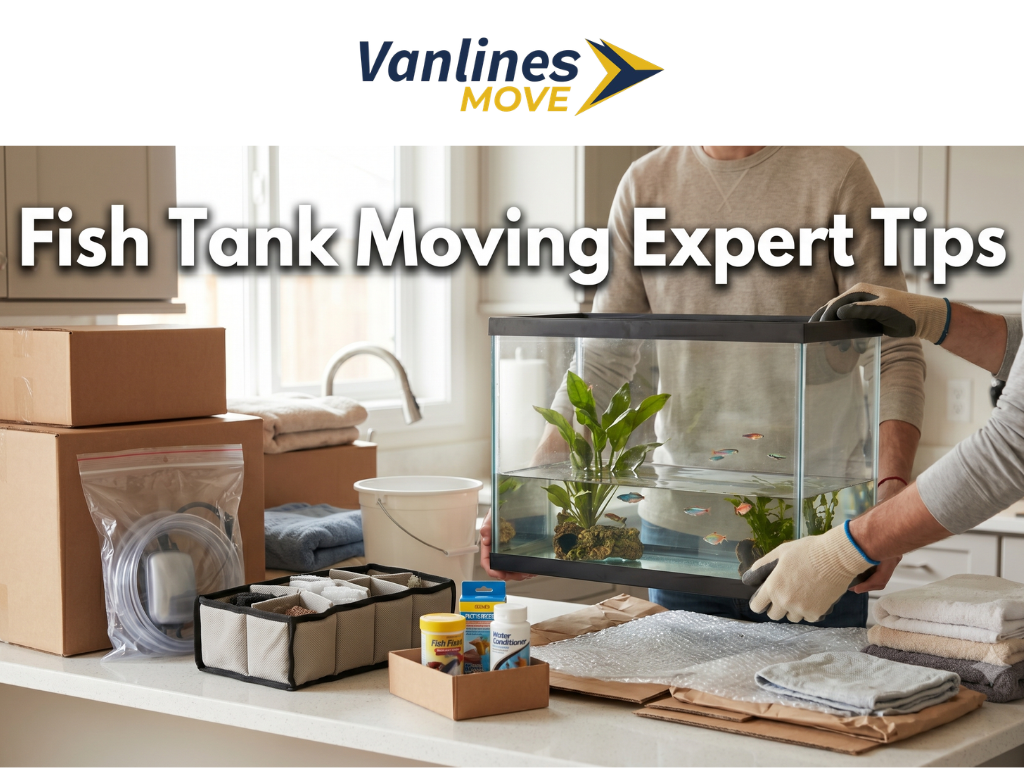
Moving a Fish Tank? Expert Tips for a Safe Transport
Moving a fish tank can be one of the most stressful aspects of relocating. Unlike furniture or boxes, a fish tank contains living creatures that are highly sensitive to changes in their environment. A successful move requires careful planning, preparation, and execution. This guide provides expert tips to ensure a safe and stress-free transport for your aquatic companions.
Planning Your Fish Tank Move
The first step in moving your fish tank is meticulous planning. This involves considering the size of your tank, the type of fish you have, the distance of the move, and the time of year. Proper planning minimizes stress for both you and your fish.
- Determine the Timeline: Start planning weeks in advance. This allows you ample time to prepare the tank, acclimate your fish, and gather necessary supplies.
- Assess the Tank's Size and Weight: This will influence the type of equipment you need for moving and the number of people required. Remember that water adds significant weight.
- Research Your Fish Species: Understand their specific needs and sensitivities. Some species are more tolerant of changes than others.
- Consider the Destination: Evaluate the new location for suitable placement of the tank, considering factors like sunlight, temperature, and accessibility to power outlets.
Essential Supplies for Moving a Fish Tank
Gathering the right supplies is crucial for a smooth and safe move. Here's a comprehensive list:
- Buckets with Lids: For transporting tank water, substrate, and decorations. Use food-grade buckets and avoid using soap or detergents.
- Fish Bags: Specifically designed for transporting fish. Ensure they are the appropriate size for your fish and have enough oxygen.
- Insulated Shipping Boxes: To protect fish bags from temperature fluctuations.
- Battery-Operated Air Pump: To provide oxygen to the fish during transport.
- Towels and Packing Material: For cushioning the tank and preventing scratches.
- Tape and Markers: For labeling boxes and buckets clearly.
- Siphon Hose: For draining water from the tank.
- Water Conditioner: To remove chlorine and chloramine from tap water when refilling the tank.
- Test Kit: To monitor water parameters after setting up the tank in the new location.
- Moving Dolly: For safely transporting the heavy tank.
- Styrofoam Sheets or Blankets: To protect the tank's glass from impacts.
Preparing the Fish Tank for the Move
Proper preparation is key to minimizing stress on your fish. This involves gradually preparing them for the change in environment.
- Reduce Feeding: A day or two before the move, reduce the amount of food you give your fish. This will help reduce waste production during transport.
- Partial Water Change: Perform a partial water change (around 25%) a few days before the move to ensure the water is clean.
- Remove Decorations and Substrate: Carefully remove all decorations, plants, and substrate (gravel or sand) from the tank. Rinse them gently with tank water and store them in separate buckets. This preserves beneficial bacteria.
- Save Tank Water: Retain as much of the original tank water as possible. This water contains beneficial bacteria that are essential for maintaining the biological balance of the aquarium. Store it in clean, food-grade buckets.
Safely Transporting Your Fish
The way you transport your fish is critical to their survival. Follow these steps to ensure their safety:
- Bagging the Fish: Use fish bags specifically designed for transporting fish. Fill each bag with one-third tank water and two-thirds air or pure oxygen if available. Secure the top of the bag with a rubber band or twist tie. For larger fish, use larger bags and fewer fish per bag.
- Insulating the Bags: Place the bagged fish inside insulated shipping boxes or coolers. This helps maintain a stable temperature during transport. Use packing material to prevent the bags from moving around.
- Using a Battery-Operated Air Pump: If the transport time is longer than a few hours, use a battery-operated air pump to provide oxygen to the fish in the bags.
- Minimize Light Exposure: Keep the fish in a dark environment during transport. This reduces stress and helps them remain calm.
- Monitor Water Temperature: Keep an eye on the water temperature in the bags. Extreme temperature fluctuations can be fatal to fish.
Moving the Fish Tank Itself
Moving the empty fish tank requires careful handling to prevent damage. Remember that glass tanks can be fragile, especially larger ones.
- Drain the Tank Completely: Ensure the tank is completely empty before attempting to move it. Even a small amount of water can add significant weight and increase the risk of breakage.
- Remove All Accessories: Remove any remaining accessories, such as filters, heaters, and lights. Pack these separately in bubble wrap or packing peanuts.
- Protect the Glass: Wrap the tank in several layers of bubble wrap or moving blankets. Pay special attention to the corners, as these are the most vulnerable points.
- Use a Moving Dolly: For larger tanks, use a moving dolly to transport it safely. Secure the tank to the dolly with straps.
- Lift with Proper Technique: If you need to lift the tank, use proper lifting techniques. Bend your knees and keep your back straight. Get help from others to avoid straining yourself.
- Transport in a Secure Vehicle: Place the tank in a secure location in the moving vehicle where it won't shift or tip over during transport. Consider using straps or tie-downs to further secure it.
Setting Up the Fish Tank in Your New Home
Once you arrive at your new home, setting up the fish tank correctly is crucial for the well-being of your fish.
- Choose the Right Location: Select a location for the tank that is away from direct sunlight and drafts. Ensure the floor is level and can support the weight of the filled tank.
- Set Up the Tank: Place the tank on its stand and ensure it is stable. Add the substrate, decorations, and plants back into the tank.
- Refill the Tank: Slowly refill the tank with the original tank water you saved. If you need to add more water, use dechlorinated tap water that is the same temperature as the original water. Use a water conditioner to remove chlorine and chloramine.
- Reinstall Equipment: Reinstall the filter, heater, and lights. Ensure all equipment is functioning properly.
- Acclimate the Fish: Float the bags containing the fish in the tank for about 15-30 minutes to allow the water temperature to equalize. Gradually add small amounts of tank water to the bags over the next hour. This helps the fish acclimate to the new water parameters.
- Release the Fish: Gently release the fish into the tank. Observe them closely for any signs of stress.
- Monitor Water Parameters: Test the water parameters (pH, ammonia, nitrite, nitrate) regularly during the first few days. Make adjustments as needed to maintain a healthy environment for your fish.
Tips for Minimizing Stress on Your Fish
Moving is stressful for fish. Here are some additional tips to minimize their stress:
- Keep the Transport Time Short: The shorter the transport time, the less stress on the fish. If possible, plan the move for a day with mild weather.
- Maintain Water Quality: Ensure the water in the bags and the tank is clean and well-oxygenated.
- Avoid Overcrowding: Do not overcrowd the fish in the bags. This can lead to stress and oxygen depletion.
- Minimize Handling: Handle the fish as little as possible. Use a net only when necessary.
- Maintain a Stable Temperature: Avoid extreme temperature fluctuations during transport and acclimation.
- Provide Hiding Places: Provide plenty of hiding places in the tank to help the fish feel secure.
- Monitor Fish Behavior: Observe the fish closely for any signs of stress, such as rapid breathing, clamped fins, or erratic swimming.
Hiring Professional Movers
While it's possible to move a fish tank yourself, hiring professional movers can significantly reduce the stress and risk involved. Some moving companies specialize in moving aquariums and have the expertise and equipment to handle the task safely and efficiently. If you're considering this option, be sure to inquire about their experience with moving fish tanks and their insurance coverage for live animals. You can use a moving company to help with this task. Remember to get multiple quotes from different companies to ensure you're getting the best price and service.
Long-Distance Moves
Long-distance moves require extra planning and preparation. For example, you might need to ship your fish separately using a specialized pet transport service. These services can provide temperature-controlled environments and ensure the fish are properly cared for during the journey. Also, consider the potential for delays and have a backup plan in place. Many people use a moving checklist to ensure they have all the necessary steps covered.
Alternatives to Moving Your Fish
In some cases, it might be best to rehome your fish rather than move them. This is especially true for large or delicate species, or if you're facing a very long or complicated move. Consider these options:
- Donate to a Local Aquarium: Many public aquariums are happy to accept donations of fish.
- Give to a Friend or Family Member: If you have a friend or family member who is experienced with fishkeeping, they might be willing to take your fish.
- Sell to a Local Fish Store: Some fish stores may purchase your fish, especially if they are rare or valuable.
- Rehome Through an Online Forum: There are many online forums and communities dedicated to fishkeeping where you can find someone who is willing to adopt your fish.
Conclusion
Moving a fish tank requires careful planning, preparation, and execution. By following these expert tips, you can minimize stress on your fish and ensure a safe and successful move. Remember to prioritize the well-being of your aquatic companions and take the necessary precautions to protect them during the process. If you're feeling overwhelmed, don't hesitate to seek help from professional movers or explore alternative options for rehoming your fish. And don't forget to use a moving cost calculator to estimate the expenses involved in your move, including any additional costs for moving your fish tank.
Frequently Asked Questions (FAQs)
Here are some frequently asked questions about moving a fish tank:
-
How long can fish survive in a bag during a move?
Fish can typically survive in a bag for up to 24-48 hours, provided the water is clean and well-oxygenated. For longer transports, use a battery-operated air pump and consider shipping the fish separately using a specialized pet transport service.
-
Is it better to move fish in bags or buckets?
For most fish, bags are the preferred method. They allow for easier temperature control and minimize water sloshing. However, for very large fish or those that require more space, buckets with lids may be necessary.
-
Can I use tap water to refill my fish tank after the move?
Yes, but you must treat the tap water with a water conditioner to remove chlorine and chloramine, which are harmful to fish. Ensure the temperature of the tap water is the same as the original tank water.
-
How soon after the move can I feed my fish?
Wait at least 24 hours after releasing the fish into the tank before feeding them. This allows them time to acclimate to their new environment. Start with a small amount of food and observe their feeding behavior.
-
What if my fish start showing signs of stress after the move?
If your fish show signs of stress, such as rapid breathing, clamped fins, or erratic swimming, check the water parameters (pH, ammonia, nitrite, nitrate) and make adjustments as needed. Ensure the tank is well-oxygenated and provide plenty of hiding places. If the stress persists, consult with a veterinarian or experienced fishkeeper.
-
Can I move a saltwater fish tank the same way as a freshwater tank?
The general principles are the same, but saltwater tanks require extra attention to salinity levels and water chemistry. Use saltwater mix to prepare new water and monitor salinity closely after setting up the tank.
-
What do I do with live plants during the move?
Keep live plants moist by storing them in a bucket with some tank water or dechlorinated tap water. You can also wrap them in wet paper towels. Protect them from extreme temperatures during transport.
Categories
- Long Distance Moving161
- Local Moving120
- Commercial Moving40
- Residential Moving34
- Last – Minute Moving25
- Furniture Moving11
- Moving Tips & Lifestyle11
- Moving Tips & How-To Guides8
- Moving services7
- Moving Costs & Budgeting6
- Moving Cost5
- Moving Cost Calculator5
- Long distance moving5
- Moving Tips5
- long distance moving5
- Moving Guides5
- Moving Container4
- moving tips4
- Moving companies4
- state to state movers4
- Piano Moving3
- Car Transportation3
- Truck Rental3
- Local Move3
- best moving rates3
- cheap moving companies3
- affordable moving companies3
- full-service movers3
- Moving3
- Long-Distance Moving3
- Moving Cost Guides3
- Moving Tips & Planning3
- Junk Removal2
- Senior Moving2
- Senior Relocation Moving Companies2
- Moving Tools2
- Moving Estimates2
- interstate moving2
- College Moving2
- Dorm Moving2
- Tips for moving2
- cross-country move2
- International moving2
- Household moving2
- Relocation Guide2
- Moving Tips & State Guides2
- Heavy Equipment1
- Senior Moving Services1
- office moving1
- office relocation1
- employee relocation1
- Car Transport1
- Vehicle Shipping1
- Car Shipping Services1
- Artificial Intelligence1
- Office Moving Services1
- Commercial Moving Companies1
- Corporate Moving Services1
- Corporate Movers1
- full-service moving companies1
- sustainable moving companies1
- green movers1
- Moving in US1
- Best places to move in 20251
- 2025 moving1
- Full-Service Moving Companies1
- College moving services1
- Moving to College1
- Moving Season1
- Spring Moving1
- donate1
- sell1
- Movers in California1
- Movers in Studio City1
- Moving to California1
- Laws about Moving into California1
- Moving Laws1
- House moving1
- packing1
- cheap moving ways1
- Moving guide1
- moving across countries1
- international relocation program1
- move out cleaning1
- right packing supplies1
- pack while moving1
- Apartment moving1
- PODS1
- moving out1
- state to state move1
- California movers1
- Truck Rental1
- US Territory Relocation1
- International Moving1
- Shipping & Moving Tips1
- Moving Budget Guide1
- Moving Tools & Equipment Guides1
- Moving Services & Options1
- Moving Tips & How-To Guides1
- Moving Day & Settling In1
- Mobile Home Moving1
- Moving Guide & Tips1
- Moving Tips & State Comparisons1
- Moving Tips & City Guides1
- Moving Tips & Cost Guides1
- Long-Distance Moving Tips1
- Moving Tips & Financial Planning1
- Moving Tips & Home Preparation1
- Vehicle Shipping & Auto Transport1
- Marketing & Lead Generation1
- International Moving Guides1
- Moving Costs1
- San Francisco Moving Guide1
- NYC Moving1
- Local Movers1
- Budget Moving1
- Student Moving1
- Affordable Moving1
- Specialty Moving Guides1
- Local & Long-Distance Moving1
- Boston Moving Guide1
- Europe Relocation Guide1
- Moving Costs & Specialty Moving1
- Cost of Living1
- Relocation1
- International Moving1
- Lifestyle & Relocation1
- State Guides1
- Home Buying Guide1
- Moving Timeline1
- Real Estate Tips1
- Appliance Moving1
- Packing & Preparation1
- Interstate Relocation1
- City-to-City Moving Guide1
- Technology for Movers1
- Moving Reviews1
- Moving Costs & Storage1
- Moving Tips & Equipment Guides1
- Moving Guides & Cost Insights1
- Moving Supplies1
- Packing Tips1
- Home Moving1
- Relocation Tips1
- State Moving Guides1
- New Home Guide1
- Relocation Advice1




 Chat with us on WhatsApp!


 BBB A+ Rated
 Great! We serve your area
 Licensed & Insured
 Takes 60 seconds

 Discount expires in
 Limited Time: Only 3 premium movers available in your area


 Your information is 100% secure