


 Local Movers
 Last-Minute Movers
 Junk Removal
 Long Distance Movers
 Piano Movers
 Heavy Equipment
 Commercial Movers
 Moving Container
 Car Transportation
 Furniture Movers
 Truck Rental
 Moving Cost Calculator
 Moving Planner
 Packing Calculator
 Moving Checklist
 Moving Insurance
 FAQ
FAQ Contact Us
 Moving Loan
 Privacy Policy
 Join Our Network
 About Us
Shipping a Car to Hawaii: Costs, Options & Tips


Shipping a Car to Hawaii: Costs, Options & Tips
Moving to Hawaii is an exciting adventure, but transporting your vehicle across the ocean requires careful planning and budgeting. Understanding the costs involved, the available shipping options, and the necessary preparations can make the process smoother and more affordable. This comprehensive guide will provide you with the information you need to ship your car to Hawaii with confidence.
Understanding the Factors Affecting Car Shipping Costs to Hawaii
Several factors influence the cost of shipping a car to Hawaii. These include:
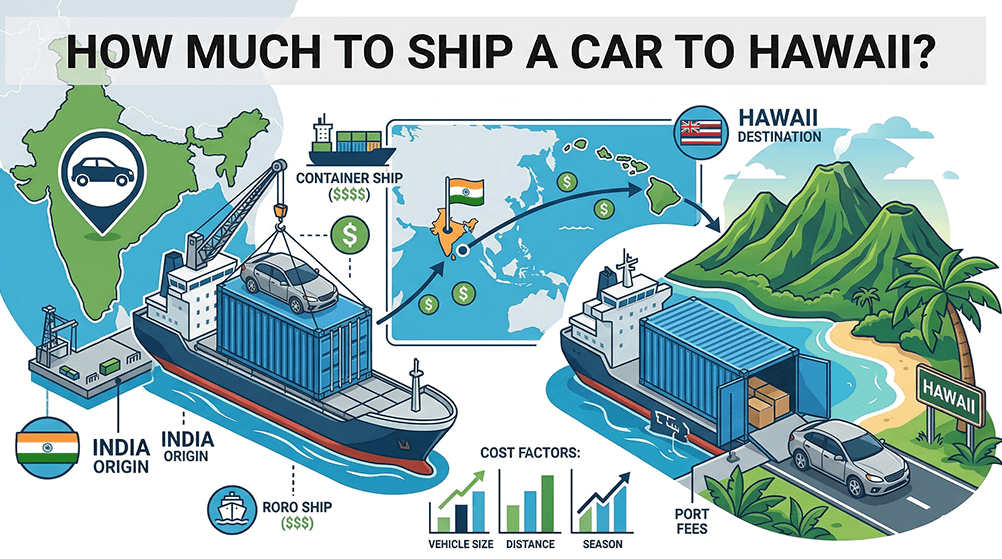
- Vehicle Type and Size: Larger vehicles, such as SUVs and trucks, generally cost more to ship than smaller cars due to the increased space they occupy on the transport vessel.
- Shipping Method: The choice between container shipping and roll-on/roll-off (RoRo) shipping significantly impacts the price.
- Origin and Destination Ports: The distance between the origin port on the mainland and the destination port in Hawaii is a primary driver of cost. Shipping to more remote islands may incur higher fees.
- Shipping Company: Different shipping companies offer varying rates and service levels. It's crucial to compare quotes from multiple providers.
- Time of Year: Peak season, typically during the summer months and holidays, can lead to increased demand and higher prices.
- Insurance Coverage: The level of insurance coverage you choose will affect the overall cost.
- Additional Services: Services such as door-to-door transport, vehicle preparation, and customs clearance can add to the total expense.
Estimating the Cost: A General Range
While the exact cost varies based on the factors mentioned above, a general estimate for shipping a standard-sized car to Hawaii ranges from $1,500 to $3,500. This range covers the basic shipping costs from a major West Coast port (like Los Angeles or Long Beach) to Honolulu. Shipping to other islands or from East Coast ports will likely increase the price. To get a more precise estimate, consider using a Moving Cost Calculator.
Shipping Methods: Container vs. RoRo
Two primary methods are used for shipping cars to Hawaii:
- Container Shipping: Your vehicle is secured inside a shipping container, often shared with other vehicles or household goods.
- Roll-on/Roll-off (RoRo): Your car is driven onto the ship at the origin port and driven off at the destination port.
Container Shipping: Pros and Cons
Pros:
- Added Security: Protection from the elements and potential damage during transit.
- Flexibility: Allows you to ship personal belongings inside the vehicle (subject to restrictions and fees).
- Potentially Faster Transit Times: Depending on the shipping schedule.
Cons:
- Higher Cost: Generally more expensive than RoRo shipping.
- More Handling: Requires loading and unloading the container.
RoRo Shipping: Pros and Cons
Pros:
- Lower Cost: Typically the most affordable option for shipping a car.
- Simpler Process: Less handling compared to container shipping.
Cons:
- Less Security: Vehicle is exposed to the elements and potential damage.
- Restrictions on Personal Belongings: You cannot ship personal items inside the car.
Choosing the Right Shipping Company
Selecting a reputable and reliable shipping company is crucial for a smooth and stress-free experience. Consider the following factors when making your decision:
- Experience and Reputation: Look for companies with a proven track record of shipping vehicles to Hawaii. Check online reviews and testimonials.
- Licensing and Insurance: Ensure the company is properly licensed and insured to protect your vehicle during transit.
- Price Transparency: Obtain detailed quotes that clearly outline all costs involved, including port fees, terminal handling charges, and insurance.
- Customer Service: Choose a company with responsive and helpful customer service representatives who can answer your questions and address any concerns.
- Shipping Options and Schedules: Inquire about the available shipping methods, departure dates, and estimated transit times.
It's wise to get quotes from several different companies to compare pricing and services. Remember that the cheapest option isn't always the best; prioritize reliability and customer satisfaction. Consider checking out resources that list Best Movers to find reputable companies.
Preparing Your Vehicle for Shipping
Properly preparing your vehicle for shipping is essential to prevent damage and ensure a smooth transport process. Follow these steps:
- Clean the Vehicle: Thoroughly wash and detail your car, both inside and out. This allows you to accurately document its condition before shipping.
- Remove Personal Belongings: Remove all personal items from the vehicle, especially if using RoRo shipping. Even with container shipping, it’s best to minimize belongings to avoid potential issues with customs and weight restrictions.
- Check Fluid Levels: Ensure all fluid levels (oil, coolant, brake fluid, etc.) are adequate to prevent damage during transit. However, avoid overfilling.
- Inspect Tires: Check tire pressure and ensure the tires are in good condition.
- Disable Alarm System: Deactivate the car's alarm system to prevent it from going off during transport.
- Document Existing Damage: Take detailed photos and videos of your vehicle's interior and exterior to document any existing scratches, dents, or other damage. This will serve as a reference in case any damage occurs during shipping.
- Reduce Fuel Level: Keep the fuel tank at or below 1/4 full. This is a safety requirement for most shipping companies.
- Provide Keys: Provide the shipping company with a set of keys for the vehicle.
Understanding the Shipping Process
The car shipping process typically involves the following steps:
- Obtain Quotes: Request quotes from multiple shipping companies, providing details about your vehicle and shipping requirements.
- Book Your Shipment: Choose a shipping company and book your shipment, specifying the shipping method, origin and destination ports, and preferred departure date.
- Vehicle Drop-off: Deliver your vehicle to the designated origin port or arrange for door-to-door pickup.
- Vehicle Inspection: The shipping company will inspect your vehicle and document its condition.
- Shipping and Transit: Your vehicle will be loaded onto the ship and transported to Hawaii.
- Customs Clearance: Upon arrival in Hawaii, your vehicle will need to clear customs. The shipping company can often assist with this process.
- Vehicle Pick-up: Pick up your vehicle at the designated destination port or arrange for door-to-door delivery.
- Final Inspection: Inspect your vehicle thoroughly upon arrival and compare its condition to the documentation from the origin port. Report any damage to the shipping company immediately.
Required Documents for Shipping a Car to Hawaii
You will need to provide the shipping company with certain documents to facilitate the transport process. These typically include:
- Original Vehicle Title: Proof of ownership.
- Vehicle Registration: Current vehicle registration.
- Driver's License: Valid driver's license.
- Bill of Sale (if applicable): If you recently purchased the vehicle.
- Lienholder Authorization (if applicable): If you have a loan on the vehicle, you may need authorization from the lienholder to ship it to Hawaii.
- Power of Attorney (if applicable): If you are not able to be present during the shipping process.
Check with the shipping company for a complete list of required documents, as requirements may vary.
Navigating Customs and Biosecurity Regulations in Hawaii
Shipping a car to Hawaii involves navigating customs and biosecurity regulations to protect the islands' unique ecosystem. Here are some key considerations:
- Agricultural Inspection: Hawaii has strict agricultural regulations to prevent the introduction of invasive species. Your vehicle may be subject to inspection upon arrival to ensure it is free of soil, plants, and pests.
- Cleaning Requirements: You may be required to clean your vehicle thoroughly, especially the undercarriage and wheel wells, before shipping it to Hawaii.
- Prohibited Items: Certain items are prohibited from being shipped to Hawaii, including certain plants, seeds, and soil. Check with the Hawaii Department of Agriculture for a complete list of prohibited items.
Familiarize yourself with these regulations and take the necessary steps to comply to avoid delays or penalties. Contacting the Hawaii Department of Agriculture directly can provide the most up-to-date information. Planning your move can be complex. Consider using a Moving Checklist to keep everything organized.
Saving Money on Car Shipping to Hawaii
Here are some tips to help you save money on car shipping to Hawaii:
- Compare Quotes: Obtain quotes from multiple shipping companies to find the best price.
- Ship During Off-Peak Season: Avoid shipping during the summer months and holidays when demand is high.
- Choose RoRo Shipping: If possible, opt for RoRo shipping, which is typically more affordable than container shipping.
- Consolidate Shipments: If you are shipping household goods along with your car, consider consolidating your shipments to save on overall costs.
- Drop Off and Pick Up at the Port: Avoid door-to-door service by dropping off and picking up your vehicle at the port yourself.
- Prepare Your Vehicle Yourself: Save on preparation fees by cleaning and preparing your vehicle yourself.
Dealing with Potential Delays and Issues
While most car shipments to Hawaii go smoothly, delays and issues can occasionally arise. Here are some common problems and how to address them:
- Shipping Delays: Weather conditions, port congestion, and unforeseen circumstances can cause shipping delays. Stay in communication with the shipping company and track your shipment online.
- Damage During Transit: If your vehicle is damaged during transit, document the damage thoroughly and file a claim with the shipping company's insurance provider.
- Customs Issues: Delays can occur if there are issues with your customs paperwork or if your vehicle is flagged for inspection. Work closely with the shipping company to resolve any customs issues promptly.
- Mechanical Problems: If your vehicle experiences mechanical problems during transit, the shipping company may be able to arrange for repairs.
Having realistic expectations and being prepared for potential problems can help you navigate any challenges that may arise.
Shipping a Car From Hawaii to the Mainland
The process of shipping a car from Hawaii to the mainland is very similar to shipping a car to Hawaii, but in reverse. You'll need to follow the same steps: get quotes, choose a shipping method, prepare your vehicle, provide the necessary documents, and navigate customs regulations (if applicable). The costs will be comparable, but may vary depending on the origin and destination ports, and the shipping company you choose.
Final Thoughts
Shipping a car to Hawaii requires careful planning and research. By understanding the costs involved, the available shipping options, and the necessary preparations, you can make the process smoother and more affordable. Choose a reputable shipping company, prepare your vehicle properly, and be prepared for potential delays or issues. With a little planning, you can transport your vehicle to Hawaii with confidence and enjoy your new island life.
Frequently Asked Questions (FAQs)
-
How long does it take to ship a car to Hawaii?
The transit time for shipping a car to Hawaii typically ranges from 2 to 4 weeks, depending on the origin and destination ports, the shipping method, and the shipping company's schedule.
-
What is the cheapest way to ship a car to Hawaii?
The cheapest way to ship a car to Hawaii is usually RoRo shipping, especially if you drop off and pick up the vehicle at the port yourself and ship during the off-peak season. You can also save costs by not shipping any personal items inside the car.
-
Can I ship personal belongings inside my car when shipping to Hawaii?
While it's generally not recommended to ship personal belongings inside your car, it's possible with container shipping. However, there may be weight restrictions and additional fees. Check with the shipping company for their specific policies.
-
What happens if my car is damaged during shipping?
If your car is damaged during shipping, document the damage thoroughly with photos and videos and file a claim with the shipping company's insurance provider. The shipping company will typically have a process for handling damage claims.
-
Do I need to be present when my car is shipped to Hawaii?
You don't necessarily need to be present when your car is shipped to Hawaii, but you will need to arrange for someone to drop off and pick up the vehicle at the port. You may also need to provide a power of attorney if you are unable to handle the shipping process yourself.
-
What are the biosecurity requirements for shipping a car to Hawaii?
Hawaii has strict biosecurity requirements to prevent the introduction of invasive species. Your vehicle may be subject to inspection upon arrival to ensure it is free of soil, plants, and pests. You may be required to clean your vehicle thoroughly before shipping it to Hawaii.
-
Can I ship a motorcycle to Hawaii?
Yes, motorcycles can be shipped to Hawaii using similar methods as cars (container or RoRo). The cost will generally be lower than shipping a car, but the same preparation and documentation requirements apply. Contact our customer service with any further questions.
Categories
- Long Distance Moving159
- Local Moving120
- Commercial Moving40
- Residential Moving34
- Last – Minute Moving25
- Furniture Moving11
- Moving Tips & Lifestyle11
- Moving Tips & How-To Guides8
- Moving services7
- Moving Costs & Budgeting6
- Moving Cost5
- Moving Cost Calculator5
- Moving Tips5
- Moving Guides5
- Moving Container4
- moving tips4
- Moving companies4
- state to state movers4
- Piano Moving3
- Car Transportation3
- Truck Rental3
- Local Move3
- best moving rates3
- cheap moving companies3
- affordable moving companies3
- full-service movers3
- Moving3
- Long distance moving3
- Long-Distance Moving3
- Moving Cost Guides3
- Moving Tips & Planning3
- long distance moving3
- Junk Removal2
- Senior Moving2
- Senior Relocation Moving Companies2
- Moving Tools2
- Moving Estimates2
- interstate moving2
- College Moving2
- Dorm Moving2
- Tips for moving2
- cross-country move2
- International moving2
- Household moving2
- Relocation Guide2
- Moving Tips & State Guides2
- Heavy Equipment1
- Senior Moving Services1
- office moving1
- office relocation1
- employee relocation1
- Car Transport1
- Vehicle Shipping1
- Car Shipping Services1
- Artificial Intelligence1
- Office Moving Services1
- Commercial Moving Companies1
- Corporate Moving Services1
- Corporate Movers1
- full-service moving companies1
- sustainable moving companies1
- green movers1
- Moving in US1
- Best places to move in 20251
- 2025 moving1
- Full-Service Moving Companies1
- College moving services1
- Moving to College1
- Moving Season1
- Spring Moving1
- donate1
- sell1
- Movers in California1
- Movers in Studio City1
- Moving to California1
- Laws about Moving into California1
- Moving Laws1
- House moving1
- packing1
- cheap moving ways1
- Moving guide1
- moving across countries1
- international relocation program1
- move out cleaning1
- right packing supplies1
- pack while moving1
- Apartment moving1
- PODS1
- moving out1
- state to state move1
- California movers1
- Truck Rental1
- US Territory Relocation1
- International Moving1
- Shipping & Moving Tips1
- Moving Budget Guide1
- Moving Tools & Equipment Guides1
- Moving Services & Options1
- Moving Tips & How-To Guides1
- Moving Day & Settling In1
- Mobile Home Moving1
- Moving Guide & Tips1
- Moving Tips & State Comparisons1
- Moving Tips & City Guides1
- Moving Tips & Cost Guides1
- Long-Distance Moving Tips1
- Moving Tips & Financial Planning1
- Moving Tips & Home Preparation1
- Vehicle Shipping & Auto Transport1
- Marketing & Lead Generation1
- International Moving Guides1
- Moving Costs1
- San Francisco Moving Guide1
- NYC Moving1
- Local Movers1
- Budget Moving1
- Student Moving1
- Affordable Moving1
- Specialty Moving Guides1
- Local & Long-Distance Moving1
- Boston Moving Guide1
- Europe Relocation Guide1
- Moving Costs & Specialty Moving1
- Cost of Living1
- Relocation1
- International Moving1
- Lifestyle & Relocation1
- State Guides1
- Home Buying Guide1
- Moving Timeline1
- Real Estate Tips1
- Appliance Moving1
- Packing & Preparation1
- Interstate Relocation1
- City-to-City Moving Guide1
- Technology for Movers1
- Moving Reviews1
- Moving Costs & Storage1
- Moving Tips & Equipment Guides1
- Moving Guides & Cost Insights1
- Moving Supplies1
- Packing Tips1
- Home Moving1
- Relocation Tips1
- State Moving Guides1
- New Home Guide1
- Relocation Advice1




 Chat with us on WhatsApp!


 BBB A+ Rated
 Great! We serve your area
 Licensed & Insured
 Takes 60 seconds

 Discount expires in
 Limited Time: Only 3 premium movers available in your area


 Your information is 100% secure