


 Local Movers
 Last-Minute Movers
 Junk Removal
 Long Distance Movers
 Piano Movers
 Heavy Equipment
 Commercial Movers
 Moving Container
 Car Transportation
 Furniture Movers
 Truck Rental
 Moving Cost Calculator
 Moving Planner
 Packing Calculator
 Moving Checklist
 Moving Insurance
 FAQ
 Contact Us
 Moving Loan
 Privacy Policy
 Join Our Network
 About Us
A Guide to Loading Labor: Your Essential Guide & Tips


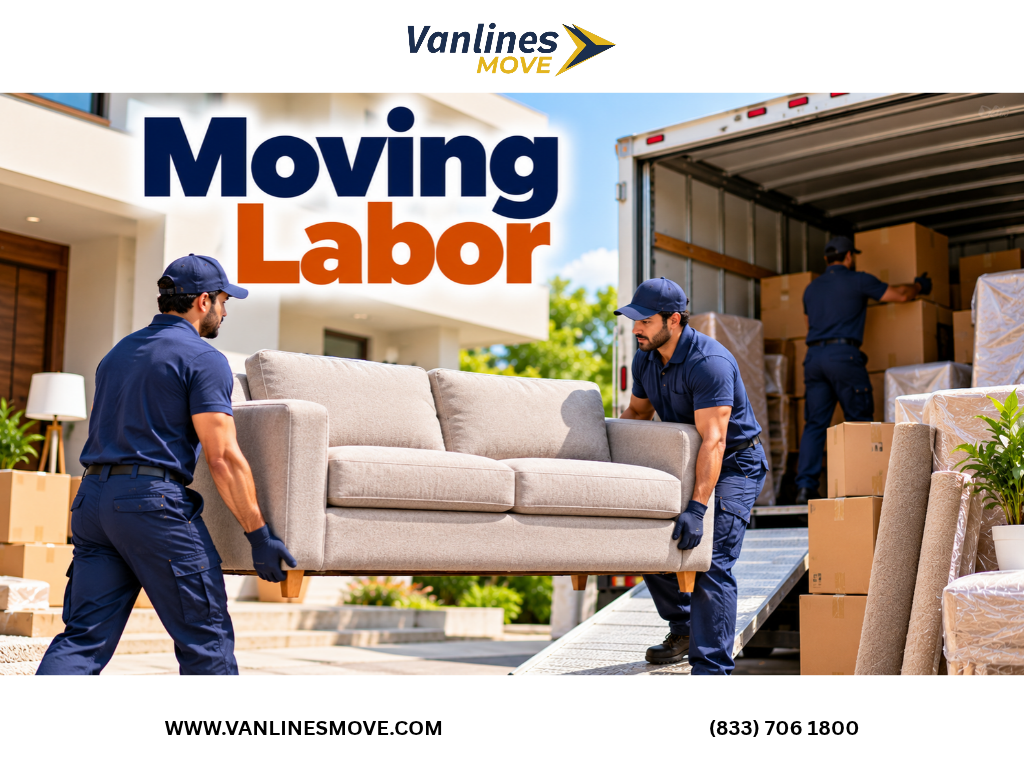
Moving is consistently ranked as one of life's most stressful events, and for good reason. The sheer physical demands, logistical planning, and emotional toll can be overwhelming. While many consider hiring a full-service moving company to handle everything, a growing number of individuals and families are opting for a hybrid approach: DIY moving with the strategic assistance of professional moving labor. This guide will delve into the world of moving labor, outlining what it entails, its benefits, how to choose the right providers, and essential tips for a smooth, efficient relocation.
What is Moving Labor/Loading Labor?
Moving labor refers to professional movers who provide physical assistance with specific tasks during your relocation, without necessarily handling the transportation of your belongings. Essentially, you hire their muscle and expertise for the heavy lifting, loading, unloading, and sometimes packing or unpacking, while you retain control over other aspects of the move, such as renting a moving truck or driving your possessions to the new location. This service bridges the gap between a full-service move and a purely DIY effort, offering flexibility and cost savings.
Types of Moving Labor Services
Moving labor providers offer a range of services designed to fit various needs and budgets. Understanding these options can help you tailor the perfect moving solution.
Loading and Unloading Services
This is the most common and sought-after moving labor service. Professionals arrive at your home, efficiently load your packed boxes and furniture onto your rented truck, portable storage container, or trailer, optimizing space and ensuring items are secured for transit. Upon arrival at your new destination, they unload everything, placing items in designated rooms as instructed. This service significantly reduces the physical strain and risk of injury associated with heavy lifting, especially for items like appliances, pianos, or bulky furniture.
Packing and Unpacking Assistance
Beyond just loading, many moving labor teams also offer packing and unpacking services. This can range from packing an entire household to focusing on specific rooms or fragile items. Professional packers bring their own supplies (or use yours) and employ efficient, secure packing techniques. Unpacking services help you settle into your new home faster, with movers carefully unboxing items and placing them where they belong.
In-Home Moving and Rearranging
Sometimes, you don't need to move across town, but merely need assistance rearranging heavy furniture within your home, staging for a sale, or moving items to and from storage within the same property. Moving labor services are perfect for these scenarios, providing the strength and skill to safely maneuver large or awkward items without damaging your home or risking personal injury.
Specialty Item Handling
Certain items require specialized knowledge and equipment to move safely. Pianos, hot tubs, safes, antique furniture, and large artwork are examples. Many moving labor companies have trained personnel and the necessary tools (dollies, straps, ramps, lifts) to handle these challenging items, mitigating the risk of damage or injury. They ensure these valuable possessions are properly protected and transported.
When to Hire Moving Labor
Deciding whether moving labor is right for you depends on several factors:
- DIY Moving with a Rental Truck: If you've opted to save money by renting your own moving vehicle, like a truck rental, but dread the heavy lifting, moving labor is an ideal solution. They handle the physical demands while you manage the driving and logistics.
- Using Portable Storage Containers: Services like PODS or U-Pack require you to load and unload your own container. Moving labor can make this process quick and efficient, ensuring optimal space utilization.
- Long-Distance Moves: For cross-country relocations, such as moving from Colorado to Washington, where you might drive your own vehicle but need help at both ends, hiring labor for loading and unloading can be a lifesaver.
- Senior Moves or Physical Limitations: If you or your family members are unable to perform strenuous physical tasks, moving labor provides the necessary assistance without the full cost of a traditional mover.
- Partial Moves or Heavy Items: When you only need help with a few heavy items, or just one segment of your move (e.g., loading but not unloading), moving labor offers customizable support.
- Time Constraints: If you're on a tight schedule, professional movers can significantly speed up the loading and unloading process, saving you valuable time.
Benefits of Hiring Moving Labor
The advantages of bringing in professional moving labor extend far beyond just avoiding heavy lifting:
- Reduced Physical Strain and Injury Risk: The most obvious benefit. Professionals are trained in proper lifting techniques and have the equipment to move heavy or awkward items safely, protecting both your belongings and your body.
- Efficiency and Speed: Experienced movers can load and unload a truck far more efficiently than an untrained individual. They know how to pack a truck tightly, preventing shifting during transit, and how to navigate furniture through doorways and stairwells quickly.
- Cost-Effectiveness: Compared to a full-service moving company, hiring labor for specific tasks can be significantly cheaper, allowing you to save money while still getting crucial assistance.
- Stress Reduction: Knowing that the most strenuous and often frustrating parts of moving are handled by professionals can dramatically lower your stress levels, allowing you to focus on other aspects of your relocation.
- Expertise in Packing and Loading: Movers understand how to properly wrap furniture, disassemble and reassemble items, and maximize truck space. This expertise minimizes the risk of damage to your possessions during transit.
- Flexibility: You dictate the services you need. Whether it's just two hours of loading or a full day of packing and unpacking, moving labor can be tailored to your precise requirements.
How to Choose the Right Moving Labor Provider
Selecting the right team is crucial for a successful experience. Here's what to look for:
Research and Reputation
Start by researching local companies. Check online reviews on platforms like Google, Yelp, and the Better Business Bureau. Look for consistent positive feedback regarding professionalism, efficiency, and communication. Word-of-mouth referrals from friends or family are also invaluable.
Licensing and Insurance
Ensure the company is properly licensed and insured. General liability insurance protects your property against damage caused by the movers, while worker's compensation insurance covers their employees in case of injury on the job. Reputable companies will readily provide proof of both.
Experience and Training
Ask about the movers' experience level and training. Are they full-time employees or temporary hires? Do they undergo specific training for handling different types of furniture and equipment? Experienced teams are less likely to cause damage or injury.
Transparent Pricing
Obtain detailed quotes in writing. Understand whether they charge hourly rates or flat fees, if there are minimum hours, and if any additional charges apply (e.g., for stairs, long carries, specialty items, travel time, or fuel). A reputable company will be upfront about all costs. Be wary of quotes that seem too good to be true.
Availability and Scheduling
Book your moving labor well in advance, especially during peak moving seasons (summer, end of the month). Confirm their availability for your specific dates and times, and get a written confirmation of your booking.
Equipment and Tools
Inquire about the equipment they provide. Do they bring their own dollies, hand trucks, furniture pads, straps, and basic tools for disassembly/reassembly? Having the right tools on hand ensures a more efficient and safer move.
Cost of Moving Labor
The cost of moving labor varies based on several factors:
- Number of Movers: Most companies charge per mover, per hour. A typical crew might be 2-3 movers.
- Hours Required: The size of your home and the amount of belongings will dictate the time needed. Most companies have a 2-3 hour minimum.
- Location: Rates can vary significantly by geographic region and local cost of living.
- Date and Time: Weekends, holidays, and peak moving season (summer) can command higher rates.
- Additional Services: Packing/unpacking, specialty item handling, or disassembly/reassembly will add to the cost.
- Travel Fees: Some companies charge a flat travel fee or for the time it takes to get to and from your locations.
On average, you can expect to pay between $75 and $150 per hour for two movers, with additional movers increasing the hourly rate. Always get multiple quotes and compare services carefully.
Preparing for Your Moving Labor Team
To ensure your moving labor team can work efficiently and effectively, some preparation on your part is essential:
- Clear Pathways: Ensure all hallways, stairwells, and entryways are clear of obstacles. Remove rugs, loose cords, and anything that could be a tripping hazard.
- Disassemble Furniture: If possible and comfortable, disassemble large furniture pieces (beds, tables) beforehand to save time. If not, confirm the movers will do it.
- Label Boxes Clearly: Label all boxes with their destination room and contents. This helps movers place them correctly in your new home, like for a big move from Michigan to Texas.
- Pack a "First-Night" Box: Keep essentials like toiletries, medications, important documents, and a change of clothes separate and easily accessible.
- Identify Valuables: Keep jewelry, cash, important documents, and other irreplaceable items with you. Do not entrust them to movers.
- Communicate Instructions: Be ready to clearly communicate which items are going, where they should be placed in the truck, and where they should go in the new home.
Tips for a Smooth Moving Labor Experience
- Be Present and Available: Stay on-site during the entire process to answer questions, provide direction, and address any issues immediately.
- Communicate Clearly: Don't hesitate to give specific instructions. Point out fragile items, explain the layout of your new home, and clarify any special requests.
- Offer Refreshments: Providing water, coffee, or snacks is a thoughtful gesture, especially on a hot day or during a long move.
- Consider Tipping: Tipping is customary for good service. A general guideline is 15-20% of the total labor cost, or $5-$10 per mover, per hour, depending on the difficulty of the job.
- Inspect Items: Before the movers leave, do a quick walkthrough to ensure all items are accounted for and placed correctly. Note any damage immediately.
- Provide Parking Information: Inform the movers about parking availability, restrictions, or special access codes at both locations to avoid delays.
Conclusion
Hiring moving labor offers a flexible, cost-effective, and less strenuous alternative to a full-service move. By carefully selecting a reputable provider and preparing adequately, you can significantly ease the burden of relocation, ensuring your belongings are handled with care and efficiency. Embrace the smart way to move by leveraging professional help where it matters most, allowing you to focus on settling into your new home with peace of mind.
Frequently Asked Questions (FAQs)
Q1: Is moving labor cheaper than a full-service moving company?
A1: Yes, typically. Moving labor services focus on the physical loading, unloading, and sometimes packing, allowing you to save money by handling transportation yourself (e.g., with a rental truck). Full-service movers handle everything from packing to transport and unpacking, which is generally more expensive.
Q2: Do I need to provide moving equipment like dollies or straps?
A2: Most reputable moving labor companies will bring their own essential equipment, including dollies, hand trucks, furniture pads, and straps. It's always a good idea to confirm this when booking to avoid surprises.
Q3: How many movers should I hire?
A3: The number of movers depends on the size of your home and the amount of items. For a smaller apartment (1-2 bedrooms), 2 movers might suffice. For larger homes (3+ bedrooms) or if you have many heavy items, 3-4 movers will be more efficient and complete the job faster.
Q4: Should I tip moving labor? If so, how much?
A4: Tipping is customary and appreciated for good service. A common guideline is 15-20% of the total labor cost, or $5-$10 per mover, per hour, depending on the difficulty of the job and your satisfaction with the service.
Q5: What if something gets damaged during the move?
A5: Reputable moving labor companies carry general liability insurance to cover damages caused by their crew. Always review their insurance policy before hiring and inspect your items before they leave. Report any damage immediately.
Q6: Can moving labor help with disassembling and reassembling furniture?
A6: Many moving labor services offer basic furniture disassembly and reassembly as part of their service, especially for common items like beds and tables. Always confirm this capability when getting a quote, especially for complex pieces.
Q7: How far in advance should I book moving labor?
A7: It's advisable to book moving labor as soon as your moving date is firm, especially if you're moving during peak season (summer, weekends, or month-end). Booking 2-4 weeks in advance is a good practice, but even more for popular times.
Categories
- Long Distance Moving163
- Local Moving120
- Commercial Moving40
- Residential Moving34
- Last – Minute Moving25
- Furniture Moving11
- Moving Tips & Lifestyle11
- Moving Tips & How-To Guides8
- Moving services7
- Long distance moving7
- long distance moving7
- Moving Costs & Budgeting6
- Moving Cost5
- Moving Cost Calculator5
- Moving Tips5
- Moving Guides5
- Moving Container4
- moving tips4
- Moving companies4
- state to state movers4
- Piano Moving3
- Car Transportation3
- Truck Rental3
- Local Move3
- best moving rates3
- cheap moving companies3
- affordable moving companies3
- full-service movers3
- Moving3
- Long-Distance Moving3
- Moving Cost Guides3
- Moving Tips & Planning3
- Junk Removal2
- Senior Moving2
- Senior Relocation Moving Companies2
- Moving Tools2
- Moving Estimates2
- interstate moving2
- College Moving2
- Dorm Moving2
- Tips for moving2
- cross-country move2
- International moving2
- Household moving2
- Relocation Guide2
- Moving Tips & State Guides2
- Heavy Equipment1
- Senior Moving Services1
- office moving1
- office relocation1
- employee relocation1
- Car Transport1
- Vehicle Shipping1
- Car Shipping Services1
- Artificial Intelligence1
- Office Moving Services1
- Commercial Moving Companies1
- Corporate Moving Services1
- Corporate Movers1
- full-service moving companies1
- sustainable moving companies1
- green movers1
- Moving in US1
- Best places to move in 20251
- 2025 moving1
- Full-Service Moving Companies1
- College moving services1
- Moving to College1
- Moving Season1
- Spring Moving1
- donate1
- sell1
- Movers in California1
- Movers in Studio City1
- Moving to California1
- Laws about Moving into California1
- Moving Laws1
- House moving1
- packing1
- cheap moving ways1
- Moving guide1
- moving across countries1
- international relocation program1
- move out cleaning1
- right packing supplies1
- pack while moving1
- Apartment moving1
- PODS1
- moving out1
- state to state move1
- California movers1
- Truck Rental1
- US Territory Relocation1
- International Moving1
- Shipping & Moving Tips1
- Moving Budget Guide1
- Moving Tools & Equipment Guides1
- Moving Services & Options1
- Moving Tips & How-To Guides1
- Moving Day & Settling In1
- Mobile Home Moving1
- Moving Guide & Tips1
- Moving Tips & State Comparisons1
- Moving Tips & City Guides1
- Moving Tips & Cost Guides1
- Long-Distance Moving Tips1
- Moving Tips & Financial Planning1
- Moving Tips & Home Preparation1
- Vehicle Shipping & Auto Transport1
- Marketing & Lead Generation1
- International Moving Guides1
- Moving Costs1
- San Francisco Moving Guide1
- NYC Moving1
- Local Movers1
- Budget Moving1
- Student Moving1
- Affordable Moving1
- Specialty Moving Guides1
- Local & Long-Distance Moving1
- Boston Moving Guide1
- Europe Relocation Guide1
- Moving Costs & Specialty Moving1
- Cost of Living1
- Relocation1
- International Moving1
- Lifestyle & Relocation1
- State Guides1
- Home Buying Guide1
- Moving Timeline1
- Real Estate Tips1
- Appliance Moving1
- Packing & Preparation1
- Interstate Relocation1
- City-to-City Moving Guide1
- Technology for Movers1
- Moving Reviews1
- Moving Costs & Storage1
- Moving Tips & Equipment Guides1
- Moving Guides & Cost Insights1
- Moving Supplies1
- Packing Tips1
- Home Moving1
- Relocation Tips1
- State Moving Guides1
- New Home Guide1
- Relocation Advice1



 Chat with us on WhatsApp!



 BBB A+ Rated

 Great! We serve your area

 Licensed & Insured
 Takes 60 seconds


 Discount expires in

 Limited Time: Only 3 premium movers available in your area


 Your information is 100% secure


