


 Local Movers
 Last-Minute Movers
 Junk Removal
 Long Distance Movers
 Piano Movers
 Heavy Equipment
 Commercial Movers
 Moving Container
 Car Transportation
 Furniture Movers
 Truck Rental
 Moving Cost Calculator
 Moving Planner
 Packing Calculator
 Moving Checklist
 Moving Insurance
 FAQ
FAQ Contact Us
 Moving Loan
 Privacy Policy
 Join Our Network
 About Us
What is a Starter Home? Your First Step to Homeownership


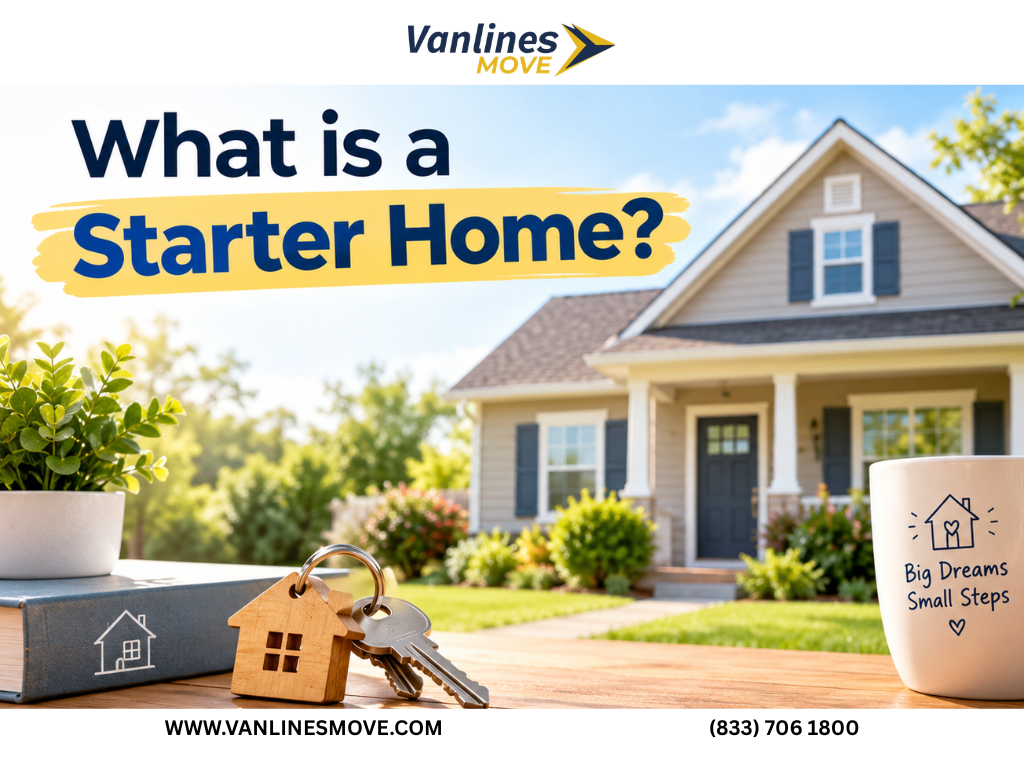
The journey to homeownership often begins with a significant first step: purchasing a starter home. For many, the concept of a "starter home" conjures images of modest dwellings, perhaps a little older, but brimming with potential. It's more than just a small house; it represents an accessible entry point into the real estate market, offering a practical path to building equity, gaining financial stability, and experiencing the responsibilities of property ownership without the overwhelming commitment or cost of a "forever home." Understanding what constitutes a starter home, its benefits, and its role in a long-term financial strategy is crucial for aspiring homeowners looking to make their initial foray into real estate.
What is a Starter Home?
A starter home isn't defined by a specific architectural style or age, but rather by its characteristics and its purpose in a homeowner's journey. It's typically the first property an individual or couple buys, chosen for its affordability and manageability rather than its luxurious amenities or expansive size. These homes serve as a stepping stone, providing a foundation for future real estate endeavors.
Key Characteristics
- Affordability: This is the paramount feature. Starter homes are priced at the lower end of the market in their respective areas, making them accessible to first-time buyers with limited down payments or lower income levels. They often have manageable mortgage payments, property taxes, and insurance costs.
- Modest Size: Expect smaller square footage compared to an average family home. This usually translates to fewer bedrooms (often 2-3) and bathrooms (1-2). They are designed for individuals, young couples, or small families.
- Location: While not always in prime, highly sought-after neighborhoods, starter homes are frequently found in established or up-and-coming communities. These areas might offer good schools, reasonable commutes, or developing infrastructure that could increase property value over time.
- Condition: Starter homes might be older and could require some cosmetic updates or minor repairs. They are generally move-in ready but may lack modern finishes or high-end appliances. The expectation is often that the owner will invest some sweat equity.
- Fewer Amenities: Luxury features like large yards, swimming pools, multiple living areas, or smart home technology are typically absent. The focus is on essential living space.
- High Demand: Due to their affordability, starter homes often attract strong competition, especially in competitive markets.
Why Buy a Starter Home? The Benefits of Starting Small
The decision to purchase a starter home is often driven by a blend of financial prudence and a desire to establish roots. It offers numerous advantages that contribute to long-term financial health and personal growth.
Building Equity and Financial Stability
One of the primary benefits is the ability to start building equity. Instead of rent payments disappearing into a landlord's pocket, a portion of each mortgage payment contributes to owning a tangible asset. As you pay down your loan and as property values potentially appreciate, your equity grows. This accumulated equity can later be leveraged as a down payment for a larger home or for other investments.
Learning the Ropes of Homeownership
Owning a home involves more than just paying a mortgage. There are property taxes, insurance, maintenance, and utility costs. A starter home provides a manageable environment to learn these responsibilities without the higher financial stakes associated with a larger, more expensive property. You gain practical experience in budgeting for repairs, understanding home systems, and managing a property.
Tax Advantages
Homeowners can often deduct mortgage interest and property taxes from their taxable income, offering significant savings. While specific deductions vary by location and tax laws, these benefits can make homeownership more financially attractive than renting.
Flexibility and Future Planning
A starter home offers flexibility. It's a place to live for a few years while saving, growing a family, or advancing a career. When the time comes for a bigger space or a move to a new city, selling your starter home, potentially at a profit, provides the capital needed for the next step. For those considering a long-distance relocation, perhaps moving from Colorado to North Carolina for a new job opportunity, a starter home offers a more liquid asset to sell compared to a larger, more specialized property.
Types of Properties That Function as Starter Homes
The term "starter home" isn't limited to detached single-family houses. Several property types can serve this purpose, depending on the market and individual needs.
- Condominiums (Condos): Often the most affordable entry point in urban or dense suburban areas, condos offer shared amenities and lower exterior maintenance responsibilities, as these are typically covered by HOA fees.
- Townhouses: These attached homes provide more space than most condos, often with a small private yard or patio, while still benefiting from shared walls that can reduce heating/cooling costs. They may or may not have HOA fees for exterior maintenance.
- Smaller Single-Family Homes: The classic starter home, these are detached houses, usually with 2-3 bedrooms and a modest yard. They offer privacy and full control over the property.
- Duplexes or Triplexes (Owner-Occupied): For those open to being a landlord, buying a multi-family property and living in one unit while renting out the others can significantly offset mortgage costs, making homeownership even more affordable.
Considerations Before Buying Your First Home
While a starter home is an excellent entry point, careful consideration is vital. A thorough evaluation of your financial situation, lifestyle, and future goals will ensure a smooth transition into homeownership.
Financial Readiness
Beyond the down payment, consider closing costs, property taxes, homeowner's insurance, and potential HOA fees. Lenders will assess your debt-to-income ratio and credit score. It's also wise to have an emergency fund for unexpected repairs, as homeownership inevitably brings unforeseen expenses.
Maintenance and Upkeep
Be realistic about the time and money you're willing to invest in maintenance. Older starter homes often require more attention. Are you prepared for DIY projects, or will you need to budget for professional services? Understanding the full scope of home maintenance is essential.
Market Conditions and Resale Value
Research the local real estate market. Is it a buyer's or seller's market? What is the trend for property values in the area? While a starter home is not your "forever home," its resale value will be crucial when you decide to upgrade. Consider factors like school districts, local amenities, and future development plans.
Future Plans
Think about your next 3-7 years. Do you plan to expand your family? Will your job require relocation? A starter home should align with your short-to-medium-term goals. If you anticipate a move, understanding the complexities of securing moving insurance and finding reliable movers becomes paramount.
The "Stepping Stone" Strategy: From Starter to Dream Home
The beauty of a starter home lies in its role as a strategic stepping stone. It's not the final destination but a crucial part of a larger plan. Typically, homeowners live in their starter home for 5-7 years, building equity and gaining experience. When it's time to move, the sale of the starter home provides a significant portion, if not all, of the down payment for the next property – often a larger, more amenity-rich "move-up" home or "forever home."
This strategy allows you to enter the market at an affordable price, ride out market fluctuations, and accumulate wealth over time. When the time comes to transition, finding best movers is critical to ensure a smooth and stress-free relocation, allowing you to focus on settling into your next home.
Is a Starter Home Right for You?
A starter home is an excellent option for first-time buyers who:
- Are ready to stop renting and begin building equity.
- Have a stable income but limited savings for a large down payment.
- Are comfortable with a modest living space and potentially performing some DIY repairs.
- Want to learn the responsibilities of homeownership incrementally.
- View their first home as an investment and a stepping stone to future financial goals.
If your primary goal is to enter the housing market, build financial stability, and gain valuable experience, a starter home is likely the perfect first step on your path to homeownership.
Frequently Asked Questions About Starter Homes
What is the typical size of a starter home?
A starter home typically ranges from 800 to 1,500 square feet, often featuring 2-3 bedrooms and 1-2 bathrooms. The exact size can vary significantly based on the local real estate market and regional norms.
How long do people usually stay in a starter home?
Most people live in their starter home for an average of 5 to 7 years. This period allows them to build sufficient equity, save more money, and often see changes in their family or career situations that prompt a move to a larger or different property.
Can a starter home be an investment property?
Yes, a starter home can absolutely be an investment property. Many first-time buyers utilize the "house hacking" strategy by purchasing a multi-unit starter home (like a duplex) and living in one unit while renting out the others. Once they move to a larger home, their original starter home can continue to generate rental income.
Are starter homes always older properties?
Not necessarily. While many starter homes are older and require some updates, new construction can also serve as a starter home, especially in developing subdivisions where smaller, more affordable models are offered to attract first-time buyers. The key is affordability and modest features, not necessarily age.
What are the common challenges of owning a starter home?
Common challenges include managing unexpected repair costs, dealing with smaller living spaces, potentially needing to update older features, and navigating competitive markets to secure the purchase. However, these challenges also offer valuable learning experiences.
Do starter homes appreciate in value as much as larger homes?
Appreciation depends more on the local market, location, and economic factors than solely on the size of the home. Starter homes in desirable or up-and-coming neighborhoods can appreciate significantly. Their affordability often means there's a wider pool of future buyers, which can contribute to stable or increasing value.
Categories
- Long Distance Moving162
- Local Moving120
- Commercial Moving40
- Residential Moving34
- Last – Minute Moving25
- Furniture Moving11
- Moving Tips & Lifestyle11
- Moving Tips & How-To Guides8
- Moving services7
- Long distance moving6
- Moving Costs & Budgeting6
- long distance moving6
- Moving Cost5
- Moving Cost Calculator5
- Moving Tips5
- Moving Guides5
- Moving Container4
- moving tips4
- Moving companies4
- state to state movers4
- Piano Moving3
- Car Transportation3
- Truck Rental3
- Local Move3
- best moving rates3
- cheap moving companies3
- affordable moving companies3
- full-service movers3
- Moving3
- Long-Distance Moving3
- Moving Cost Guides3
- Moving Tips & Planning3
- Junk Removal2
- Senior Moving2
- Senior Relocation Moving Companies2
- Moving Tools2
- Moving Estimates2
- interstate moving2
- College Moving2
- Dorm Moving2
- Tips for moving2
- cross-country move2
- International moving2
- Household moving2
- Relocation Guide2
- Moving Tips & State Guides2
- Heavy Equipment1
- Senior Moving Services1
- office moving1
- office relocation1
- employee relocation1
- Car Transport1
- Vehicle Shipping1
- Car Shipping Services1
- Artificial Intelligence1
- Office Moving Services1
- Commercial Moving Companies1
- Corporate Moving Services1
- Corporate Movers1
- full-service moving companies1
- sustainable moving companies1
- green movers1
- Moving in US1
- Best places to move in 20251
- 2025 moving1
- Full-Service Moving Companies1
- College moving services1
- Moving to College1
- Moving Season1
- Spring Moving1
- donate1
- sell1
- Movers in California1
- Movers in Studio City1
- Moving to California1
- Laws about Moving into California1
- Moving Laws1
- House moving1
- packing1
- cheap moving ways1
- Moving guide1
- moving across countries1
- international relocation program1
- move out cleaning1
- right packing supplies1
- pack while moving1
- Apartment moving1
- PODS1
- moving out1
- state to state move1
- California movers1
- Truck Rental1
- US Territory Relocation1
- International Moving1
- Shipping & Moving Tips1
- Moving Budget Guide1
- Moving Tools & Equipment Guides1
- Moving Services & Options1
- Moving Tips & How-To Guides1
- Moving Day & Settling In1
- Mobile Home Moving1
- Moving Guide & Tips1
- Moving Tips & State Comparisons1
- Moving Tips & City Guides1
- Moving Tips & Cost Guides1
- Long-Distance Moving Tips1
- Moving Tips & Financial Planning1
- Moving Tips & Home Preparation1
- Vehicle Shipping & Auto Transport1
- Marketing & Lead Generation1
- International Moving Guides1
- Moving Costs1
- San Francisco Moving Guide1
- NYC Moving1
- Local Movers1
- Budget Moving1
- Student Moving1
- Affordable Moving1
- Specialty Moving Guides1
- Local & Long-Distance Moving1
- Boston Moving Guide1
- Europe Relocation Guide1
- Moving Costs & Specialty Moving1
- Cost of Living1
- Relocation1
- International Moving1
- Lifestyle & Relocation1
- State Guides1
- Home Buying Guide1
- Moving Timeline1
- Real Estate Tips1
- Appliance Moving1
- Packing & Preparation1
- Interstate Relocation1
- City-to-City Moving Guide1
- Technology for Movers1
- Moving Reviews1
- Moving Costs & Storage1
- Moving Tips & Equipment Guides1
- Moving Guides & Cost Insights1
- Moving Supplies1
- Packing Tips1
- Home Moving1
- Relocation Tips1
- State Moving Guides1
- New Home Guide1
- Relocation Advice1


 Chat with us on WhatsApp!


 BBB A+ Rated
 Great! We serve your area
 Licensed & Insured
 Takes 60 seconds

 Discount expires in
 Limited Time: Only 3 premium movers available in your area


 Your information is 100% secure