


 Local Movers
 Last-Minute Movers
 Junk Removal
 Long Distance Movers
 Piano Movers
 Heavy Equipment
 Commercial Movers
 Moving Container
 Car Transportation
 Furniture Movers
 Truck Rental
 Moving Cost Calculator
 Moving Planner
 Packing Calculator
 Moving Checklist
 Moving Insurance
 FAQ
FAQ Contact Us
 Moving Loan
 Privacy Policy
 Join Our Network
 About Us
Does Renters Insurance Cover Relocation? Your Guide


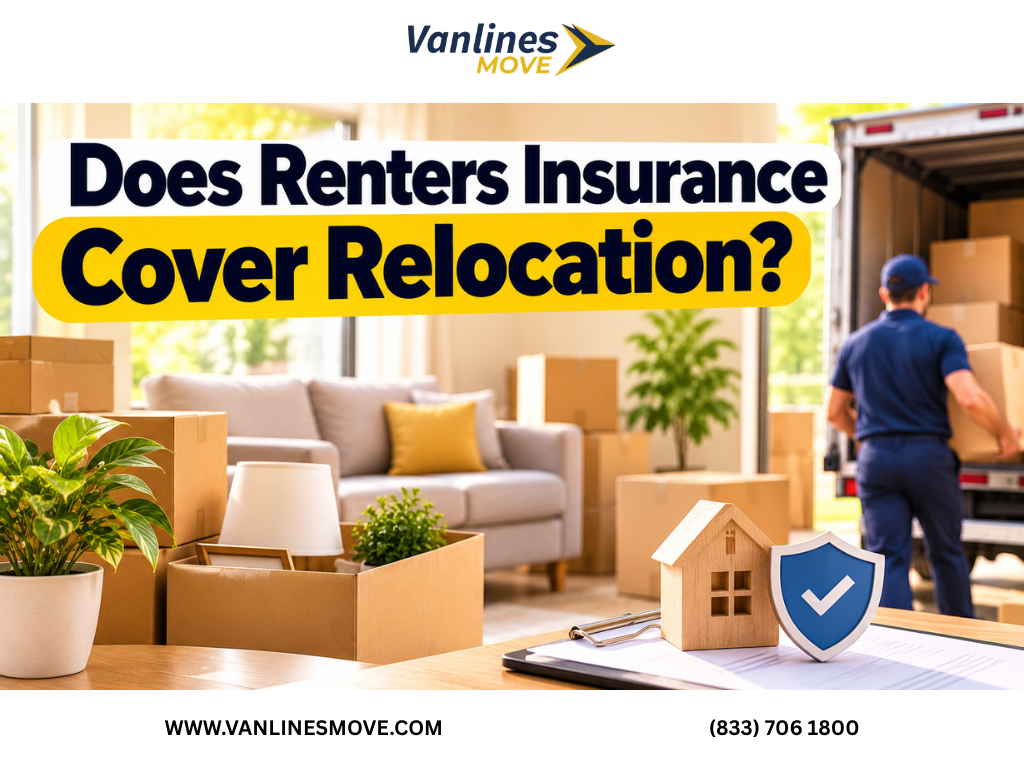
Moving is a significant life event, often accompanied by excitement, stress, and a myriad of logistical challenges. Among the many considerations, protecting your personal belongings during transit is paramount. For renters, the natural question arises: does renters insurance cover relocation? The answer, while nuanced, generally leans towards 'no' for the majority of the moving process, but with specific exceptions and crucial caveats. Understanding these limitations and available alternatives is essential for safeguarding your possessions.
Understanding Renters Insurance Basics
Renters insurance, at its core, is designed to protect your personal property within your rented dwelling and provide liability coverage. It typically comprises three main components:
- Personal Property Coverage (Coverage C): This protects your belongings against specified perils such as fire, theft, vandalism, smoke, and certain types of water damage. This coverage applies to items inside your rented home.
- Liability Coverage (Coverage E): This protects you financially if you're found responsible for damage to someone else's property or for injuries they sustain while on your premises.
- Loss of Use Coverage (Coverage D): Also known as additional living expenses, this covers costs if your rented home becomes uninhabitable due to a covered peril, forcing you to temporarily live elsewhere.
While these coverages are vital for daily living, their applicability during the complex process of relocation is often limited and specific.
Does Renters Insurance Cover Personal Property During a Move?
Generally, standard renters insurance policies offer very limited, if any, coverage for your belongings once they leave the insured premises and are in transit during a move. The primary reason is that the policy is tied to a specific location – your rented home. Once items are packed, loaded onto a moving truck, or in transit to a new address, they are typically no longer considered to be within the scope of your standard policy's protection.
The "In Transit" Exclusions
Most renters insurance policies contain clauses that specifically exclude or severely limit coverage for property in transit, especially when moved by a professional moving company or when the policyholder is moving themselves. The risks associated with moving (e.g., items shifting, dropping, vehicle accidents, theft from an unattended truck) are distinct from the perils typically covered within a stationary home.
Temporary Storage Limitations
If your move involves temporary storage, your renters insurance might offer some minimal coverage, but it's often highly restricted. Policies typically specify that personal property stored away from the insured premises is covered for a limited percentage of your total personal property coverage (e.g., 10% or 20%) and only for specific perils. This is usually intended for short-term situations, like storing items in a self-storage unit while renovating, not necessarily for the entire duration of a complex relocation. Always check your policy for "off-premises" or "storage unit" clauses.
What Renters Insurance Cover Relocation?
While broad relocation coverage is rare, there are specific scenarios where your existing renters insurance might offer some protection:
- Perils at the Old Residence: Your belongings remain covered by your renters insurance while they are still inside your old apartment or house, up until the point they are loaded onto the moving truck. If a fire or theft occurs at your old residence before everything is moved out, your policy would likely respond as usual.
- Theft from a Moving Vehicle: This is a critical but often misunderstood area. Some renters insurance policies may offer limited coverage for theft of personal property from a moving vehicle, but only under very specific circumstances.
- Conditions Apply: Often, the vehicle must show signs of forced entry (e.g., a broken window, forced lock). If items are stolen from an unlocked car or a truck left unattended overnight, coverage is highly unlikely.
- Coverage Limits: Even if covered, the amount is usually a fraction of your total personal property coverage, often capped at a low percentage (e.g., 10%).
- Proof of Ownership: You will need detailed documentation of the stolen items.
- Grace Period for New Residence: Some insurers offer a brief grace period (e.g., 30 days) where your personal property is covered at both your old and new residences during the transition. This is not universal and often has specific conditions and limitations, primarily for items *inside* the dwelling, not during transit.
What Renters Insurance Typically *Does Not* Cover During Relocation
Understanding the exclusions is as important as knowing what's covered:
- Damage During Packing/Unpacking: If you pack your own boxes and items get damaged due to improper packing, your renters insurance will not cover it.
- Damage During Transit by Movers: This is the most significant gap. If your professional movers drop your furniture, mishandle boxes, or cause damage during transport, your renters insurance will not cover these damages. This falls under the moving company's liability or the separate moving insurance you might purchase from them.
- Loss or Damage if Items are Left Unattended: As mentioned, if items are stolen from an unsecured vehicle or left unsupervised at a curb, coverage is highly improbable.
- Mechanical/Electrical Breakdown from Moving: If an appliance or electronic item stops working after a move, but without visible external damage, this is generally not covered.
- Items in Transit Beyond Specific Distance or Time: Policies are typically designed for local, static coverage, not long-distance transportation. For complex relocations, especially moving from California to West Virginia, dedicated moving insurance becomes even more critical.
Alternative Coverage Options for Relocation
Since renters insurance offers limited protection during a move, it's vital to explore other avenues to safeguard your belongings:
1. Moving Company Liability/Valuation
Professional moving companies offer different levels of liability, often referred to as "valuation," which is not insurance but a contractual agreement on the value of your goods. Understanding these options is critical:
- Released Value Protection (Basic Coverage): This is the most economical option, often included in the base moving cost. However, it provides minimal protection, typically limiting the mover's liability to $0.60 per pound per article. For example, a 100-pound item valued at $1,000 would only be covered for $60. This is rarely sufficient for valuable items.
- Full Value Protection: This is the more comprehensive option, but it comes at an additional cost. Under Full Value Protection, the mover is responsible for the full replacement value of any lost or damaged items. They may offer to repair the item, replace it, or pay you for its current market value. Deductibles and specific exclusions may apply.
2. Third-Party Moving Insurance
For maximum peace of mind, consider purchasing a separate, dedicated moving insurance policy from a third-party provider. These policies are specifically designed to cover your belongings during packing, loading, transit, and unloading, often including temporary storage. They typically offer more comprehensive coverage than a mover's valuation and can be customized to your specific needs and the value of your possessions. These policies often cover perils like:
- Fire, explosion, and lightning
- Vehicle collisions and overturns
- Theft (with evidence of forced entry)
- Water damage (e.g., from burst pipes in a storage facility)
- Damage during loading and unloading
3. Homeowners Insurance (for new home)
If you are transitioning from renting to owning, your new homeowners insurance policy might offer some limited coverage for personal property in transit or temporary storage, similar to renters insurance. However, like renters policies, this is typically not robust enough to cover all moving-related risks.
4. Credit Card Protection
Some credit cards offer purchase protection or extended warranty benefits that might apply to certain items purchased with that card. While not comprehensive moving insurance, it's worth checking if any high-value items could be covered under these provisions if they are damaged or stolen during the move.
Key Considerations When Moving
To ensure a smooth and protected relocation, take these proactive steps:
- Review Your Current Renters Policy: Before doing anything else, contact your renters insurance provider. Ask specific questions about coverage for property in transit, temporary storage, and any grace periods for your new address.
- Communicate with Your Insurer: Inform your renters insurance company about your move date and new address. You will need to update your policy or obtain a new one for your new residence.
- Inventory Your Belongings: Create a detailed inventory of all your possessions. Take photos or videos of valuable items, noting their condition. This documentation is invaluable for any insurance claim, regardless of the policy.
- Understand Moving Company Contracts: Thoroughly read and understand the valuation options offered by your chosen moving company. Don't assume anything.
- Consider Dedicated Moving Insurance: For long-distance moves or if you have many high-value items, purchasing third-party moving insurance is often the wisest investment. Use tools like a moving cost calculator to factor in these insurance expenses into your overall budget.
- Specialty Items: If you're moving delicate or high-value items like artwork, antiques, or a piano, ensure they are specifically covered, either through a rider on your moving insurance or through a specialized insurer.
- Update Your Policy: Don't forget to update your renters insurance policy with your new address as soon as you move in to ensure continuous coverage for your belongings at your new home.
Conclusion
While standard renters insurance provides crucial protection for your personal property within your home, its coverage for relocation is generally very limited. It might offer some protection against theft from a vehicle with forced entry or during a brief grace period at your new address, but it typically does not cover damages incurred during the actual transit by movers or due to improper packing. To adequately protect your belongings during a move, it is almost always necessary to explore additional options such as the moving company's Full Value Protection or, ideally, a comprehensive third-party moving insurance policy. Proactive planning, detailed inventory, and clear communication with both your insurer and your moving company are your best defenses against potential financial loss during your relocation.
Frequently Asked Questions (FAQs)
Q1: Does renters insurance cover my items if they are stolen from a moving truck?
A1: Limited coverage may be available, but typically only if there's evidence of forced entry into the vehicle. Policies often have significant caps on such claims (e.g., 10% of your total personal property coverage), and coverage is usually excluded if the vehicle was left unlocked or unattended for an extended period. Always check your specific policy.
Q2: What happens if my movers damage my furniture? Will renters insurance pay for it?
A2: No, standard renters insurance policies do not cover damage caused by professional movers. This type of damage falls under the moving company's liability. You would need to rely on the valuation coverage you purchased from the moving company (e.g., Full Value Protection) or a separate third-party moving insurance policy.
Q3: Is my property covered while in a storage unit during a move?
A3: Your renters insurance might offer very limited "off-premises" coverage for items in a storage unit, typically a small percentage (e.g., 10-20%) of your total personal property coverage. This coverage is usually for specific perils like fire or theft, not general damage. For comprehensive coverage in storage, you might need an endorsement on your renters policy, the storage facility's insurance, or a third-party moving insurance policy.
Q4: Do I need to tell my renters insurance company I'm moving?
A4: Yes, absolutely. You need to inform your insurer of your new address. Your current policy is tied to your old address, and you'll need to update it or get a new policy for your new residence to ensure continuous coverage. Many insurers offer a short grace period where items are covered at both locations during the transition, but this is not guaranteed.
Q5: Is moving company valuation the same as insurance?
A5: No, moving company valuation is not insurance. It's a contractual agreement between you and the mover that determines the extent of their liability for loss or damage to your belongings. Released Value offers minimal protection, while Full Value Protection provides more comprehensive coverage but is still governed by the mover's contract, not an insurance policy.
Q6: Should I get third-party moving insurance?
A6: For most moves, especially long-distance or those involving high-value items, purchasing third-party moving insurance is highly recommended. It offers dedicated, comprehensive coverage specifically designed for the risks associated with relocation, often providing broader protection than a moving company's valuation or your limited renters insurance.
Q7: What steps can I take to protect my belongings during a move without relying solely on insurance?
A7: Create a detailed inventory with photos/videos of all items, especially valuables. Pack carefully using appropriate materials. Choose a reputable moving company with a good track record. Clearly understand your moving company's valuation options. Consider professional packing services for fragile items. Label boxes clearly and transport essential valuables yourself.
Categories
- Long Distance Moving161
- Local Moving120
- Commercial Moving40
- Residential Moving34
- Last – Minute Moving25
- Furniture Moving11
- Moving Tips & Lifestyle11
- Moving Tips & How-To Guides8
- Moving services7
- Moving Costs & Budgeting6
- Moving Cost5
- Moving Cost Calculator5
- Long distance moving5
- Moving Tips5
- long distance moving5
- Moving Guides5
- Moving Container4
- moving tips4
- Moving companies4
- state to state movers4
- Piano Moving3
- Car Transportation3
- Truck Rental3
- Local Move3
- best moving rates3
- cheap moving companies3
- affordable moving companies3
- full-service movers3
- Moving3
- Long-Distance Moving3
- Moving Cost Guides3
- Moving Tips & Planning3
- Junk Removal2
- Senior Moving2
- Senior Relocation Moving Companies2
- Moving Tools2
- Moving Estimates2
- interstate moving2
- College Moving2
- Dorm Moving2
- Tips for moving2
- cross-country move2
- International moving2
- Household moving2
- Relocation Guide2
- Moving Tips & State Guides2
- Heavy Equipment1
- Senior Moving Services1
- office moving1
- office relocation1
- employee relocation1
- Car Transport1
- Vehicle Shipping1
- Car Shipping Services1
- Artificial Intelligence1
- Office Moving Services1
- Commercial Moving Companies1
- Corporate Moving Services1
- Corporate Movers1
- full-service moving companies1
- sustainable moving companies1
- green movers1
- Moving in US1
- Best places to move in 20251
- 2025 moving1
- Full-Service Moving Companies1
- College moving services1
- Moving to College1
- Moving Season1
- Spring Moving1
- donate1
- sell1
- Movers in California1
- Movers in Studio City1
- Moving to California1
- Laws about Moving into California1
- Moving Laws1
- House moving1
- packing1
- cheap moving ways1
- Moving guide1
- moving across countries1
- international relocation program1
- move out cleaning1
- right packing supplies1
- pack while moving1
- Apartment moving1
- PODS1
- moving out1
- state to state move1
- California movers1
- Truck Rental1
- US Territory Relocation1
- International Moving1
- Shipping & Moving Tips1
- Moving Budget Guide1
- Moving Tools & Equipment Guides1
- Moving Services & Options1
- Moving Tips & How-To Guides1
- Moving Day & Settling In1
- Mobile Home Moving1
- Moving Guide & Tips1
- Moving Tips & State Comparisons1
- Moving Tips & City Guides1
- Moving Tips & Cost Guides1
- Long-Distance Moving Tips1
- Moving Tips & Financial Planning1
- Moving Tips & Home Preparation1
- Vehicle Shipping & Auto Transport1
- Marketing & Lead Generation1
- International Moving Guides1
- Moving Costs1
- San Francisco Moving Guide1
- NYC Moving1
- Local Movers1
- Budget Moving1
- Student Moving1
- Affordable Moving1
- Specialty Moving Guides1
- Local & Long-Distance Moving1
- Boston Moving Guide1
- Europe Relocation Guide1
- Moving Costs & Specialty Moving1
- Cost of Living1
- Relocation1
- International Moving1
- Lifestyle & Relocation1
- State Guides1
- Home Buying Guide1
- Moving Timeline1
- Real Estate Tips1
- Appliance Moving1
- Packing & Preparation1
- Interstate Relocation1
- City-to-City Moving Guide1
- Technology for Movers1
- Moving Reviews1
- Moving Costs & Storage1
- Moving Tips & Equipment Guides1
- Moving Guides & Cost Insights1
- Moving Supplies1
- Packing Tips1
- Home Moving1
- Relocation Tips1
- State Moving Guides1
- New Home Guide1
- Relocation Advice1
 Chat with us on WhatsApp!


 BBB A+ Rated
 Great! We serve your area
 Licensed & Insured
 Takes 60 seconds

 Discount expires in
 Limited Time: Only 3 premium movers available in your area


 Your information is 100% secure