


 Local Movers
 Last-Minute Movers
 Junk Removal
 Long Distance Movers
 Piano Movers
 Heavy Equipment
 Commercial Movers
 Moving Container
 Car Transportation
 Furniture Movers
 Truck Rental
 Moving Cost Calculator
 Moving Planner
 Packing Calculator
 Moving Checklist
 Moving Insurance
 FAQ
 Contact Us
 Moving Loan
 Privacy Policy
 Join Our Network
 About Us
Mattress Cover for Moving: Protect Your Back, Floors & Bed



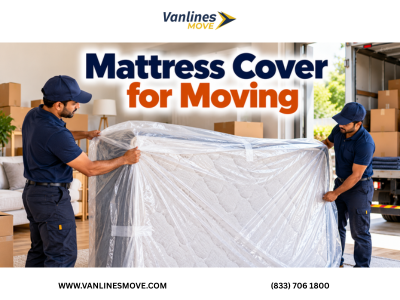
Moving a mattress is arguably one of the most challenging aspects of any relocation. Its awkward size, significant weight, and inherent flexibility make it a prime candidate for damage, not to mention a potential source of injury for those attempting to move it. This is where a mattress cover for moving transitions from a mere accessory to an absolute necessity. Far more than just a giant plastic bag, a quality mattress cover offers multi-faceted protection, safeguarding your valuable sleep investment, preserving your home's integrity, and, critically, saving you from unnecessary physical strain.
Why a Mattress Cover is Essential for Every Move
The decision to use a mattress cover during a move should be a non-negotiable one. Without adequate protection, your mattress is vulnerable to a myriad of hazards that can compromise its cleanliness, structural integrity, and lifespan. Understanding these risks highlights the indispensable role of a proper cover.
Protection from Dirt, Dust, and Debris
Moving day environments are rarely pristine. From the dusty corners of an old house to the grimy floor of a moving truck, your mattress is exposed to countless airborne particles, tracked-in dirt, and general debris. A mattress cover acts as an impenetrable barrier, preventing these contaminants from settling into the fabric, which can be incredibly difficult to clean once embedded.
Defense Against Moisture and Stains
Weather is unpredictable, and accidents happen. Rain, snow, spilled drinks, or even sweat from strenuous lifting can seep into an uncovered mattress, leading to mildew, mold growth, unpleasant odors, and permanent stains. Waterproof or water-resistant mattress covers offer a crucial layer of defense, keeping your mattress dry and fresh, regardless of external conditions.
Guard Against Tears, Scuffs, and Punctures
Maneuvering a large, unwieldy mattress through doorways, down stairs, and into tight spaces inevitably involves bumping into walls, furniture, and other obstacles. These collisions can result in unsightly scuffs, rips, or even punctures to the mattress fabric, damaging its appearance and potentially exposing internal components. A durable moving cover absorbs these impacts, protecting the mattress itself from direct harm.
Pest Control and Hygiene
Moving can expose your mattress to unwanted guests like bed bugs, dust mites, or other pests, especially if it's stored in a truck or storage unit for an extended period. A fully encasing, zippered mattress cover creates a sealed environment, preventing pests from infesting your mattress and ensuring it arrives at your new home as hygienically as it left the old one.
Types of Mattress Covers for Moving
Not all mattress covers are created equal, and understanding the different types available can help you choose the best protection for your specific moving needs and budget.
Plastic (Polyethylene) Mattress Bags
- Description: These are the most common and economical option. Made from clear, durable polyethylene plastic, they typically slide over the mattress and are sealed with tape.
- Pros: Excellent for dust, dirt, and basic moisture protection. Very affordable and widely available in various sizes.
- Cons: Can be prone to tearing if not handled carefully, especially the thinner versions. Offers minimal impact protection.
- Best For: Short-distance moves, protecting against dust and light moisture, or budget-conscious relocations.
Heavy-Duty Vinyl Mattress Covers
- Description: Thicker and more robust than standard plastic bags, vinyl covers offer enhanced tear and puncture resistance. Many feature zippered closures for a more secure fit.
- Pros: Superior durability and protection against scrapes and minor impacts. Zippered options provide a complete seal.
- Cons: Slightly more expensive than basic plastic bags. Can still be slippery, making handling challenging.
- Best For: Moves involving stairs, tight corners, or longer transit times where increased durability is desired.
Reusable Fabric Mattress Covers
- Description: Made from woven materials like canvas or heavy-duty polyester, these covers are designed for multiple uses. They often feature reinforced stitching, built-in handles, and robust zippered closures.
- Pros: Offers the highest level of protection against tears, scuffs, and impacts. Integrated handles significantly improve maneuverability and ergonomic lifting. Environmentally friendly due to reusability.
- Cons: The most expensive option upfront. Can be bulkier to store when not in use.
- Best For: Professional movers, frequent relocators, or those seeking maximum protection and ease of handling for valuable mattresses.
When to Use a Mattress Cover: Every Scenario Demands It
The simple answer to "When to use a mattress cover?" is always. Regardless of the distance or complexity of your move, a mattress cover is a wise investment.
- Local Moves: Even a short trip across town can expose your mattress to dirt, dust, and potential damage during loading and unloading.
- Long-Distance Moves: For moves like moving from New York to Ohio, your mattress will spend more time in transit, increasing its exposure to elements and risks inside a moving truck or storage container.
- Storage: If your mattress will be in a storage unit for any period, a cover is essential to protect it from dust, moisture, pests, and environmental fluctuations.
- Renovations: Covering your mattress during home renovations prevents dust, paint, and construction debris from settling into the fabric.
- DIY Moves: When you're handling the heavy lifting yourself, the added protection of a cover can prevent accidental damage and make maneuvering easier.
- Professional Moves: Even professional movers, who are experts in handling items, appreciate and often recommend mattresses be covered to ensure maximum protection during transit.
How a Mattress Cover Saves Your Back (and Your Movers' Backs)
Beyond protecting the mattress itself, a well-chosen cover plays a crucial role in making the moving process safer and less strenuous for everyone involved.
Improved Grip and Maneuverability
An uncovered mattress, especially one made of slippery fabric, is notoriously difficult to grip. The fabric tends to bunch, and the mattress can flop unpredictably. A snug-fitting mattress cover, particularly one with a slightly textured surface or built-in handles, provides a much more stable and secure grip. This allows movers to maintain control, pivot more easily, and reduce the likelihood of the mattress slipping, which can lead to sudden, back-straining movements.
Reduced Friction for Easier Sliding
When navigating tight spaces or long hallways, sometimes the easiest way to move a mattress is to slide it. An uncovered mattress can create a lot of friction against floors, especially carpeted ones, requiring immense force to budge. A smooth plastic or vinyl cover significantly reduces this friction, allowing the mattress to glide more easily across various surfaces. This minimizes the need for heavy lifting and dragging, thereby reducing strain on the back and shoulders. This benefit is particularly noticeable during complex cross-country relocations, such as moving from California to Maine, where mattresses may be loaded and unloaded multiple times.
Integrated Handles for Ergonomic Lifting
Many premium reusable mattress covers come equipped with sturdy, reinforced handles. These handles are strategically placed to provide multiple grip points, enabling movers to lift the mattress with proper form – bending at the knees, keeping the back straight, and using leg muscles. This ergonomic advantage is invaluable, distributing the weight more evenly and reducing direct strain on the lower back, wrists, and arms. Even for local or regional moves, like moving from Alabama to Mississippi, these handles can make a significant difference in preventing moving-day injuries.
Prevents Snagging and Sudden Jerks
Exposed mattress fabric can easily snag on doorframes, banisters, or other obstacles, causing the mattress to stop abruptly. These sudden jerks can throw a mover off balance and lead to muscle strains or sprains. A smooth mattress cover prevents snagging, allowing for a more fluid and controlled movement, significantly reducing the risk of injury.
How a Mattress Cover Saves Your Floors (and Walls)
The benefits of a mattress cover extend beyond personal safety and mattress protection; they also safeguard your home itself.
Prevents Scuffs, Scratches, and Tears on Floors
The rough edges, exposed springs, or even just the abrasive fabric of an uncovered mattress can easily scuff, scratch, or tear delicate flooring, especially hardwood, laminate, or vinyl. A mattress cover provides a smooth, protective layer between the mattress and your floors, preventing direct contact and costly damage. This is particularly important when sliding the mattress, as the cover acts as a buffer.
Protects Against Dirt and Stains on Surfaces
As mentioned, mattresses can accumulate dirt and grime during a move. An uncovered mattress can transfer this dirt, or any accidental spills that occur during transit, onto your clean floors and walls. A sealed mattress cover keeps all contaminants contained, ensuring that your old home remains clean upon exit and your new home stays pristine upon arrival.
Reduces Impact Damage to Walls and Doorways
Navigating a mattress through narrow hallways and doorways often involves bumping and scraping. An uncovered mattress can leave dirty marks, scuffs, or even tear wallpaper or paint on walls. The protective layer of a mattress cover absorbs these impacts, preventing the mattress itself from directly damaging your home's interior surfaces. This can save you significant time and money on repairs or cleaning after the move.
Choosing the Right Mattress Cover for Your Move
Selecting the ideal mattress cover involves considering several factors:
- Size: Ensure the cover matches your mattress size (Twin, Full, Queen, King, California King). A cover that's too small won't fit, and one that's too large can be cumbersome.
- Material: For basic protection, plastic is fine. For enhanced durability and moisture resistance, opt for heavy-duty vinyl. For maximum protection, ease of handling, and reusability, a fabric cover with handles is best.
- Closure Type: Zippered covers offer a more secure, fully enclosed seal compared to open-ended bags that require tape.
- Thickness/Gauge: Thicker plastic or vinyl (measured in mils) offers greater tear resistance. Look for at least 3-4 mil for decent protection.
- Budget: Mattress covers are a small investment compared to the cost of a new mattress or floor repairs. Choose the best quality you can afford.
Step-by-Step: How to Properly Cover and Move Your Mattress
- Clear the Path: Before you even touch the mattress, clear all furniture, boxes, and obstacles from its path, both inside and outside your home.
- Encase the Mattress: Lay the mattress flat. If using a bag, carefully slide the mattress into it. If using a zippered cover, place the mattress inside and zip it up completely. Ensure a snug fit with no exposed areas.
- Seal Securely: For plastic bags, use strong packing tape to seal the open end, creating an airtight and dust-proof barrier. Ensure all seams are taped if necessary.
- Lift with Proper Technique: Gather at least one helper. Use your legs, not your back, to lift. If your cover has handles, utilize them. Keep the mattress as vertical as possible when moving through doorways.
- Utilize Moving Aids: For very heavy mattresses or long distances, consider using a furniture dolly or sliders, especially if the cover is smooth.
- Secure in the Truck: Once in the moving truck, stand the mattress on its side against a wall and secure it with moving straps or ropes to prevent shifting during transit.
The Cost-Benefit Analysis: A Small Investment, Big Returns
The cost of a quality mattress cover is minimal, typically ranging from $10-$50, depending on the type and size. Compare this to the potential costs of:
- Replacing a damaged mattress (hundreds to thousands of dollars).
- Professional cleaning for stains or mildew (potentially $100-$300).
- Repairing scratched floors or scuffed walls (potentially hundreds of dollars, plus time and effort).
- Medical bills and lost work due to a back injury (potentially thousands of dollars and significant pain).
The return on investment for a mattress cover is undeniable. It provides peace of mind, protects your assets, and ensures a smoother, safer moving experience.
Conclusion
A mattress cover for moving is not an optional extra; it's a critical component of a successful and stress-free relocation. By shielding your mattress from dirt, moisture, tears, and pests, it preserves the longevity and hygiene of your sleep sanctuary. More importantly, by improving grip, reducing friction, and facilitating ergonomic handling, it safeguards your physical well-being and prevents costly damage to your home. Make the smart choice: invest in a quality mattress cover, and ensure your mattress, your back, and your floors arrive at your new destination in perfect condition.
Frequently Asked Questions (FAQs)
Q1: Are mattress bags for moving reusable?
A1: Basic plastic mattress bags are generally considered single-use, as they can tear during a move. However, heavy-duty vinyl covers and especially fabric covers with zippers and handles are designed for multiple uses, making them a more sustainable and cost-effective option for frequent movers.
Q2: Can I use a regular fitted sheet or tarp instead of a specialized mattress cover?
A2: While a fitted sheet or tarp might offer minimal protection against light dust, they are not designed for moving. They won't provide adequate protection against moisture, tears, pests, or offer the structural integrity and grip needed for safe handling. A specialized mattress cover is significantly more effective.
Q3: What thickness (mil) should I look for in a plastic mattress bag?
A3: For reliable protection, aim for a plastic mattress bag that is at least 3-4 mil thick. Thinner bags (1-2 mil) are more prone to tearing and punctures, especially during a strenuous move. Heavy-duty options can go up to 6 mil or more.
Q4: Do professional movers typically provide mattress covers?
A4: Some full-service moving companies may include mattress covers as part of their packing services or truck equipment. However, it's always best to confirm with your moving company beforehand. If they don't, or if you're doing a DIY move, it's wise to purchase one yourself.
Q5: How do I choose the correct size mattress cover?
A5: Mattress covers are sold in standard mattress sizes (Twin, Full, Queen, King, California King). Measure your mattress's length, width, and depth (height) to ensure you select a cover that fits snugly. Some covers also accommodate extra-thick or pillow-top mattresses.
Q6: Can a mattress cover help prevent bed bugs during a move?
A6: Yes, a fully encasing, zippered mattress cover can provide an excellent barrier against bed bugs. By sealing your mattress completely, it prevents any existing bed bugs from escaping into your new home and new bed bugs from infesting your mattress during transit or storage.
Categories
- Long Distance Moving164
- Local Moving120
- Commercial Moving40
- Residential Moving34
- Last – Minute Moving25
- Furniture Moving11
- Moving Tips & Lifestyle11
- Long distance moving8
- Moving Tips & How-To Guides8
- long distance moving8
- Moving services7
- Moving Costs & Budgeting6
- Moving Cost5
- Moving Cost Calculator5
- Moving Tips5
- Moving Guides5
- Moving Container4
- moving tips4
- Moving companies4
- state to state movers4
- Piano Moving3
- Car Transportation3
- Truck Rental3
- Local Move3
- best moving rates3
- cheap moving companies3
- affordable moving companies3
- full-service movers3
- Moving3
- Long-Distance Moving3
- Moving Cost Guides3
- Moving Tips & Planning3
- Junk Removal2
- Senior Moving2
- Senior Relocation Moving Companies2
- Moving Tools2
- Moving Estimates2
- interstate moving2
- College Moving2
- Dorm Moving2
- Tips for moving2
- cross-country move2
- International moving2
- Household moving2
- Relocation Guide2
- Moving Tips & State Guides2
- Heavy Equipment1
- Senior Moving Services1
- office moving1
- office relocation1
- employee relocation1
- Car Transport1
- Vehicle Shipping1
- Car Shipping Services1
- Artificial Intelligence1
- Office Moving Services1
- Commercial Moving Companies1
- Corporate Moving Services1
- Corporate Movers1
- full-service moving companies1
- sustainable moving companies1
- green movers1
- Moving in US1
- Best places to move in 20251
- 2025 moving1
- Full-Service Moving Companies1
- College moving services1
- Moving to College1
- Moving Season1
- Spring Moving1
- donate1
- sell1
- Movers in California1
- Movers in Studio City1
- Moving to California1
- Laws about Moving into California1
- Moving Laws1
- House moving1
- packing1
- cheap moving ways1
- Moving guide1
- moving across countries1
- international relocation program1
- move out cleaning1
- right packing supplies1
- pack while moving1
- Apartment moving1
- PODS1
- moving out1
- state to state move1
- California movers1
- Truck Rental1
- US Territory Relocation1
- International Moving1
- Shipping & Moving Tips1
- Moving Budget Guide1
- Moving Tools & Equipment Guides1
- Moving Services & Options1
- Moving Tips & How-To Guides1
- Moving Day & Settling In1
- Mobile Home Moving1
- Moving Guide & Tips1
- Moving Tips & State Comparisons1
- Moving Tips & City Guides1
- Moving Tips & Cost Guides1
- Long-Distance Moving Tips1
- Moving Tips & Financial Planning1
- Moving Tips & Home Preparation1
- Vehicle Shipping & Auto Transport1
- Marketing & Lead Generation1
- International Moving Guides1
- Moving Costs1
- San Francisco Moving Guide1
- NYC Moving1
- Local Movers1
- Budget Moving1
- Student Moving1
- Affordable Moving1
- Specialty Moving Guides1
- Local & Long-Distance Moving1
- Boston Moving Guide1
- Europe Relocation Guide1
- Moving Costs & Specialty Moving1
- Cost of Living1
- Relocation1
- International Moving1
- Lifestyle & Relocation1
- State Guides1
- Home Buying Guide1
- Moving Timeline1
- Real Estate Tips1
- Appliance Moving1
- Packing & Preparation1
- Interstate Relocation1
- City-to-City Moving Guide1
- Technology for Movers1
- Moving Reviews1
- Moving Costs & Storage1
- Moving Tips & Equipment Guides1
- Moving Guides & Cost Insights1
- Moving Supplies1
- Packing Tips1
- Home Moving1
- Relocation Tips1
- State Moving Guides1
- New Home Guide1
- Relocation Advice1



 Chat with us on WhatsApp!



 BBB A+ Rated

 Great! We serve your area

 Licensed & Insured
 Takes 60 seconds


 Discount expires in

 Limited Time: Only 3 premium movers available in your area


 Your information is 100% secure


