


 Local Movers
 Last-Minute Movers
 Junk Removal
 Long Distance Movers
 Piano Movers
 Heavy Equipment
 Commercial Movers
 Moving Container
 Car Transportation
 Furniture Movers
 Truck Rental
 Moving Cost Calculator
 Moving Planner
 Packing Calculator
 Moving Checklist
 Moving Insurance
 FAQ
FAQ Contact Us
 Moving Loan
 Privacy Policy
 Join Our Network
 About Us


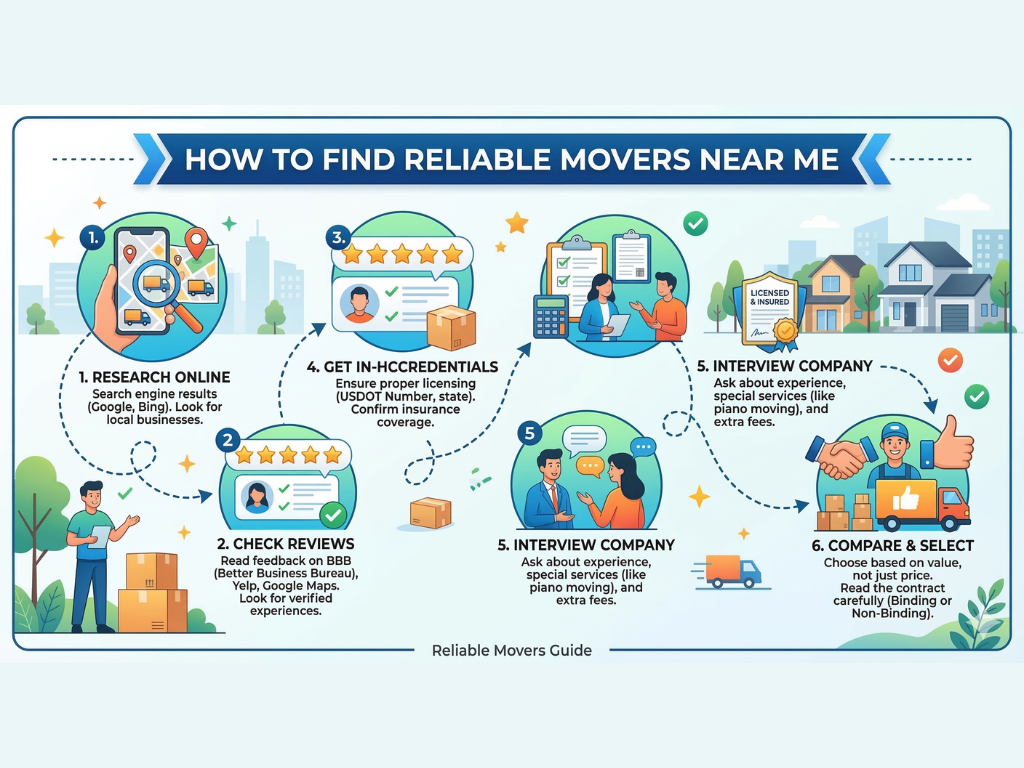
Moving is often cited as one of life's most stressful events. Amidst the packing, planning, and coordinating, choosing the right moving company can make or break the entire experience. While the allure of a cheaper quote from an unlicensed mover might be tempting, the risks associated with foregoing a licensed professional are substantial and can lead to significant financial and emotional distress. This comprehensive guide will delve into the critical differences between licensed and unlicensed movers, highlighting the potential pitfalls of opting for the latter and equipping you with the knowledge to make an informed decision for a smooth and secure relocation.
What Defines a Licensed Mover?
A licensed moving company is one that has met specific requirements and obtained the necessary permits and insurance coverage to operate legally within a given jurisdiction. These requirements are typically set by federal and state regulatory agencies to protect consumers from fraudulent or negligent practices. The specifics can vary depending on location, but generally, a licensed mover will:
- Possess a valid operating license: This demonstrates that the company has registered with the relevant authorities and is authorized to conduct moving services.
- Maintain adequate insurance coverage: This includes cargo insurance to protect your belongings during transit and liability insurance to cover potential damages to your property or injuries to workers.
- Adhere to established regulations: These regulations govern various aspects of the moving process, such as providing accurate estimates, handling customer disputes, and ensuring the safe transport of goods.
- Undergo background checks on employees: Many licensed movers conduct background checks on their employees to ensure they are trustworthy and reliable.
In the United States, interstate movers (those transporting goods across state lines) are required to be licensed by the Federal Motor Carrier Safety Administration (FMCSA) and obtain a USDOT number. Intrastate movers (those operating within a single state) are typically regulated by state-level agencies, which may have their own licensing requirements.
The Perils of Unlicensed Movers: A Risky Gamble
Unlicensed movers operate outside the boundaries of legal and ethical standards. While they may offer seemingly attractive prices, the potential consequences of hiring them can far outweigh any initial savings. Here's a breakdown of the risks involved:
- Lack of Insurance Coverage: This is arguably the most significant risk. Unlicensed movers typically lack adequate insurance, meaning you'll be personally responsible for any damage, loss, or theft of your belongings during the move. Imagine your antique furniture being damaged in transit and having no recourse for compensation.
- Unreliable Service and Hidden Fees: Unlicensed movers are notorious for providing inaccurate estimates and adding unexpected fees at the end of the move. They may lowball the initial quote to secure your business and then inflate the price with hidden charges for things like stairs, long carries, or "extra weight."
- Potential for Theft and Fraud: Without proper background checks and oversight, unlicensed movers pose a higher risk of theft. Dishonest individuals may see your belongings as an opportunity for personal gain. There have been cases of unlicensed movers holding goods hostage until exorbitant fees are paid, essentially extorting their customers.
- Damage to Property: Inexperienced or careless movers can cause significant damage to your property during the move. They may scratch walls, dent floors, or break furniture while loading and unloading items. Without insurance, you'll be stuck paying for the repairs yourself.
- Legal Recourse Challenges: If something goes wrong with an unlicensed mover, pursuing legal action can be extremely difficult. They may be operating under a false name or without a registered business, making it challenging to locate and hold them accountable.
- Substandard Equipment and Practices: Unlicensed movers often use poorly maintained equipment and employ unsafe moving practices. This increases the risk of accidents, injuries, and damage to your belongings. They might not use proper packing materials or secure items adequately, leading to breakage during transit.
- Unprofessional Conduct: You might experience unprofessional behavior from unlicensed movers, such as lateness, rudeness, or a lack of communication. This can add unnecessary stress to an already challenging situation.
- No Accountability: Licensed movers are accountable to regulatory agencies and are subject to penalties for violating regulations. Unlicensed movers operate without oversight, making it difficult to hold them responsible for their actions.
How to Verify a Mover's License and Credentials
Protecting yourself from the risks associated with unlicensed movers requires due diligence. Before hiring any moving company, take the following steps to verify their license and credentials:
- Check the FMCSA Website (for Interstate Moves): If you're moving across state lines, verify that the mover has a valid USDOT number on the FMCSA's website (www.fmcsa.dot.gov). The website allows you to search for moving companies by USDOT number, name, or location. Look for any complaints or violations associated with the company.
- Contact Your State's Regulatory Agency (for Intrastate Moves): For moves within a single state, contact your state's department of transportation or consumer affairs agency to verify the mover's license and check for any complaints. You can typically find contact information for these agencies online.
- Ask for Proof of Insurance: Request a copy of the mover's insurance certificate and verify that the coverage is adequate to protect your belongings. Check the policy limits and ensure that it covers both cargo and liability.
- Read Online Reviews and Check Ratings: Look for online reviews on reputable websites like the Better Business Bureau (BBB), Yelp, and Google Reviews. Pay attention to both positive and negative feedback and consider the overall rating of the company. Be wary of companies with overwhelmingly positive reviews, as these may be fake.
- Get Multiple Estimates: Obtain written estimates from at least three different moving companies. This will give you a better understanding of the average cost of your move and help you identify any unusually low bids that may be a red flag.
- Beware of Cash-Only Deals: Reputable moving companies typically accept multiple forms of payment, including credit cards and checks. Be wary of movers who insist on cash-only payments, as this may be a sign that they are trying to avoid taxes or conceal their identity.
- Ask for a Written Contract: Before the move, make sure you have a written contract that clearly outlines the services to be provided, the estimated cost, the payment terms, and the mover's liability for loss or damage. Read the contract carefully and make sure you understand all the terms and conditions before signing it.
- Trust Your Gut: If something feels off about a moving company, trust your instincts. If they are evasive, unprofessional, or unwilling to provide the information you need, it's best to move on and find a more reputable mover.
Red Flags to Watch Out For
Identifying potential red flags can help you avoid falling victim to scams or unreliable moving companies. Be on the lookout for the following signs:
- Unusually Low Estimates: If a mover's estimate is significantly lower than the other estimates you've received, it may be a sign that they are cutting corners or planning to add hidden fees later on.
- Lack of a Physical Address: Reputable moving companies have a physical office address. Be wary of movers who only provide a phone number or email address.
- Refusal to Provide a Written Estimate: A legitimate mover will provide you with a written estimate that includes a detailed breakdown of the costs. If they refuse to provide a written estimate, it's a red flag.
- Demanding a Large Upfront Deposit: While it's common for movers to require a small deposit to secure your booking, be wary of those who demand a large upfront payment before the move.
- Unmarked Vehicles: Reputable moving companies use vehicles that are clearly marked with their company name and logo. Be wary of movers who use unmarked vehicles or rental trucks.
- Lack of Proper Equipment: A legitimate mover will have the necessary equipment to safely and efficiently move your belongings, such as dollies, blankets, and straps.
- Evasive Answers: If a mover is evasive or unwilling to answer your questions, it may be a sign that they are trying to hide something.
The Benefits of Hiring Licensed Movers
While the initial cost of hiring a licensed mover may be higher, the peace of mind and protection they offer are well worth the investment. Here are some of the key benefits of choosing a licensed moving company:
- Protection of Your Belongings: Licensed movers are required to carry insurance that protects your belongings from damage or loss during the move.
- Accurate Estimates and Transparent Pricing: Licensed movers are more likely to provide accurate estimates and avoid hidden fees.
- Professional and Reliable Service: Licensed movers are trained and experienced professionals who are committed to providing high-quality service.
- Compliance with Regulations: Licensed movers are required to comply with all applicable regulations, ensuring that your move is conducted safely and legally.
- Accountability and Recourse: If something goes wrong with a licensed mover, you have recourse through regulatory agencies and the legal system.
- Peace of Mind: Knowing that your belongings are in the hands of a licensed and insured professional can provide you with peace of mind during a stressful time.
Making an Informed Decision
Choosing between a licensed and unlicensed mover is a critical decision that can significantly impact your moving experience. While the temptation to save money with an unlicensed mover may be strong, the risks involved are simply too great. By taking the time to verify a mover's license, check their credentials, and be aware of potential red flags, you can protect yourself from fraud, theft, and damage to your belongings. Investing in a licensed moving company is an investment in your peace of mind and the security of your valued possessions.
Beyond Licensing: Additional Factors to Consider
While licensing is a crucial factor, it's not the only thing to consider when choosing a moving company. Here are some additional factors to evaluate:
- Experience: How long has the company been in business? A more established company may have more experience handling different types of moves.
- Services Offered: Does the company offer the specific services you need, such as packing, unpacking, storage, or specialty item moving?
- Equipment: Does the company have the necessary equipment to handle your move, such as dollies, blankets, straps, and specialized packing materials?
- Customer Service: How responsive and helpful is the company's customer service team? Are they easy to reach and do they answer your questions thoroughly?
- References: Ask the company for references from past customers and contact them to get their feedback on the company's service.
Preparing for Your Move: Tips for a Smooth Transition
Even with a licensed mover, proper preparation is key to a smooth and successful move. Here are some tips to help you prepare:
- Declutter: Get rid of any items you no longer need or use. This will reduce the amount of stuff you have to move and save you money on moving costs.
- Pack Carefully: Use sturdy boxes and packing materials to protect your belongings. Label each box clearly with its contents and the room it belongs in.
- Keep Valuables with You: Keep valuable items, such as jewelry, cash, and important documents, with you during the move.
- Take Photos: Take photos of your belongings before the move, especially valuable or fragile items. This will provide evidence of their condition in case of damage.
- Supervise the Move: Be present during the move to supervise the movers and answer any questions they may have.
- Inspect Your Belongings: After the move, inspect your belongings carefully for any damage or loss. Report any issues to the moving company immediately.
Conclusion
The decision between licensed and unlicensed movers boils down to risk management. While the lower upfront cost of an unlicensed mover can be tempting, the potential for financial loss, property damage, and emotional distress is far greater. A licensed mover provides assurance, accountability, and protection, ensuring a smoother, safer, and ultimately more satisfying moving experience. By conducting thorough research, verifying credentials, and understanding the red flags, you can make an informed decision and safeguard your belongings throughout the relocation process. Remember, your peace of mind is priceless, and investing in a licensed mover is an investment in that peace of mind.
Frequently Asked Questions (FAQs)
-
What is a USDOT number?
A USDOT number is a unique identification number assigned by the Federal Motor Carrier Safety Administration (FMCSA) to companies that operate commercial vehicles in interstate commerce. It serves as a tracking mechanism for safety information and is required for interstate movers.
-
How can I find out if a moving company is licensed in my state?
Contact your state's department of transportation or consumer affairs agency. They can verify the mover's license and provide information on any complaints or violations.
-
What happens if an unlicensed mover damages my belongings?
If an unlicensed mover damages your belongings, you will likely be responsible for covering the costs of repair or replacement yourself, as they typically lack adequate insurance coverage. Pursuing legal action against an unlicensed mover can be challenging.
-
What should I do if I suspect a moving company is operating illegally?
Report your suspicions to the FMCSA (for interstate movers) or your state's department of transportation or consumer affairs agency (for intrastate movers). Providing details about the company's activities can help prevent others from becoming victims of fraud.
-
Is it always cheaper to hire an unlicensed mover?
While the initial quote from an unlicensed mover may be lower, the potential for hidden fees, damage to your belongings, and lack of insurance coverage can ultimately make it a much more expensive option.
-
What type of insurance should a licensed mover have?
A licensed mover should have cargo insurance to protect your belongings during transit and liability insurance to cover potential damages to your property or injuries to workers.
-
Can I file a complaint against a licensed mover?
Yes, you can file a complaint against a licensed mover with the FMCSA (for interstate moves) or your state's regulatory agency (for intrastate moves). You can also file a complaint with the Better Business Bureau (BBB).
Categories
- Long Distance Moving159
- Local Moving120
- Commercial Moving40
- Residential Moving34
- Last – Minute Moving25
- Furniture Moving11
- Moving Tips & Lifestyle11
- Moving Tips & How-To Guides8
- Moving services7
- Moving Costs & Budgeting6
- Moving Cost5
- Moving Cost Calculator5
- Moving Tips5
- Moving Guides5
- Moving Container4
- moving tips4
- Moving companies4
- state to state movers4
- Piano Moving3
- Car Transportation3
- Truck Rental3
- Local Move3
- best moving rates3
- cheap moving companies3
- affordable moving companies3
- full-service movers3
- Moving3
- Long distance moving3
- Long-Distance Moving3
- Moving Cost Guides3
- Moving Tips & Planning3
- long distance moving3
- Junk Removal2
- Senior Moving2
- Senior Relocation Moving Companies2
- Moving Tools2
- Moving Estimates2
- interstate moving2
- College Moving2
- Dorm Moving2
- Tips for moving2
- cross-country move2
- International moving2
- Household moving2
- Relocation Guide2
- Moving Tips & State Guides2
- Heavy Equipment1
- Senior Moving Services1
- office moving1
- office relocation1
- employee relocation1
- Car Transport1
- Vehicle Shipping1
- Car Shipping Services1
- Artificial Intelligence1
- Office Moving Services1
- Commercial Moving Companies1
- Corporate Moving Services1
- Corporate Movers1
- full-service moving companies1
- sustainable moving companies1
- green movers1
- Moving in US1
- Best places to move in 20251
- 2025 moving1
- Full-Service Moving Companies1
- College moving services1
- Moving to College1
- Moving Season1
- Spring Moving1
- donate1
- sell1
- Movers in California1
- Movers in Studio City1
- Moving to California1
- Laws about Moving into California1
- Moving Laws1
- House moving1
- packing1
- cheap moving ways1
- Moving guide1
- moving across countries1
- international relocation program1
- move out cleaning1
- right packing supplies1
- pack while moving1
- Apartment moving1
- PODS1
- moving out1
- state to state move1
- California movers1
- Truck Rental1
- US Territory Relocation1
- International Moving1
- Shipping & Moving Tips1
- Moving Budget Guide1
- Moving Tools & Equipment Guides1
- Moving Services & Options1
- Moving Tips & How-To Guides1
- Moving Day & Settling In1
- Mobile Home Moving1
- Moving Guide & Tips1
- Moving Tips & State Comparisons1
- Moving Tips & City Guides1
- Moving Tips & Cost Guides1
- Long-Distance Moving Tips1
- Moving Tips & Financial Planning1
- Moving Tips & Home Preparation1
- Vehicle Shipping & Auto Transport1
- Marketing & Lead Generation1
- International Moving Guides1
- Moving Costs1
- San Francisco Moving Guide1
- NYC Moving1
- Local Movers1
- Budget Moving1
- Student Moving1
- Affordable Moving1
- Specialty Moving Guides1
- Local & Long-Distance Moving1
- Boston Moving Guide1
- Europe Relocation Guide1
- Moving Costs & Specialty Moving1
- Cost of Living1
- Relocation1
- International Moving1
- Lifestyle & Relocation1
- State Guides1
- Home Buying Guide1
- Moving Timeline1
- Real Estate Tips1
- Appliance Moving1
- Packing & Preparation1
- Interstate Relocation1
- City-to-City Moving Guide1
- Technology for Movers1
- Moving Reviews1
- Moving Costs & Storage1
- Moving Tips & Equipment Guides1
- Moving Guides & Cost Insights1
- Moving Supplies1
- Packing Tips1
- Home Moving1
- Relocation Tips1
- State Moving Guides1
- New Home Guide1
- Relocation Advice1




 Chat with us on WhatsApp!


 BBB A+ Rated
 Great! We serve your area
 Licensed & Insured
 Takes 60 seconds

 Discount expires in
 Limited Time: Only 3 premium movers available in your area


 Your information is 100% secure