


 Local Movers
 Last-Minute Movers
 Junk Removal
 Long Distance Movers
 Piano Movers
 Heavy Equipment
 Commercial Movers
 Moving Container
 Car Transportation
 Furniture Movers
 Truck Rental
 Moving Cost Calculator
 Moving Planner
 Packing Calculator
 Moving Checklist
 Moving Insurance
 FAQ
FAQ Contact Us
 Moving Loan
 Privacy Policy
 Join Our Network
 About Us
Long-Term Storage & Moving: Expert Tips for Success


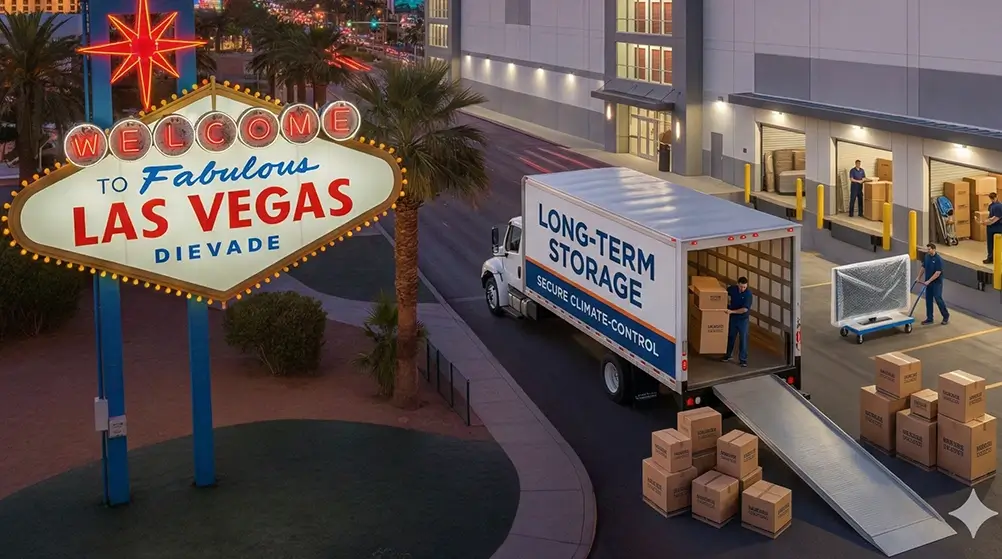
Long-Term Storage & Moving: Expert Tips for Success
Moving and storing your belongings for an extended period requires careful planning and execution. Whether you're downsizing, relocating temporarily, renovating your home, or simply need extra space, understanding the best practices for long-term storage can save you time, money, and potential headaches. This guide provides expert tips to ensure your items remain safe, secure, and in excellent condition throughout their time in storage.
Planning for Long-Term Storage
The first step towards successful long-term storage is meticulous planning. This involves assessing your storage needs, choosing the right storage facility, and creating a detailed inventory of your items.
Assess Your Storage Needs
Before you start packing, take a thorough inventory of everything you plan to store. This will help you determine the size of the storage unit you'll need and the types of packing materials required. Consider the following:
Quantity of Items: Estimate the total volume of your belongings. A rough estimate can be achieved by visualizing your items stacked in a room.Size and Dimensions: Note the dimensions of large items, such as furniture, appliances, and artwork. This will help you choose a storage unit that can accommodate them comfortably.Fragility: Identify fragile items that require extra protection, such as glassware, electronics, and antiques.Climate Sensitivity: Determine which items are sensitive to temperature and humidity changes. These may include wooden furniture, leather goods, electronics, and photographs.Accessibility: Consider how often you'll need to access your stored items. If you anticipate needing regular access, choose a storage unit that allows for easy retrieval.
Choosing the Right Storage Facility
Selecting the right storage facility is crucial for ensuring the safety and security of your belongings. Consider the following factors:
Location: Choose a facility that is conveniently located and easily accessible. This will save you time and effort when moving items in and out of storage.Security: Look for facilities with robust security measures, such as 24/7 surveillance, gated access, individual unit alarms, and on-site security personnel.Climate Control: If you're storing climate-sensitive items, opt for a climate-controlled unit. These units maintain a consistent temperature and humidity level, protecting your belongings from damage caused by extreme weather conditions.Cleanliness: Inspect the facility for cleanliness and pest control measures. A clean and well-maintained facility will reduce the risk of damage to your items.Unit Size and Options: Ensure the facility offers a range of unit sizes to accommodate your specific needs. Consider features like drive-up access for easier loading and unloading.Insurance: Inquire about insurance options to protect your belongings against unforeseen events, such as theft, fire, or water damage.Reviews and Reputation: Check online reviews and ratings to gauge the facility's reputation and customer satisfaction.
Creating a Detailed Inventory
A detailed inventory is essential for tracking your stored items and ensuring nothing is lost or damaged. Consider these tips:
List Each Item: Create a comprehensive list of all items you're storing, including a brief description of each item's condition.Photograph Everything: Take photos of your belongings before packing them. This will provide visual documentation of their condition and can be helpful for insurance purposes.Label Boxes Clearly: Label each box with a detailed description of its contents and a unique identification number.Keep a Master Inventory List: Compile all the information into a master inventory list, either on paper or digitally. Store this list in a safe place where you can easily access it.Use a Packing Calculator: Use an online packing calculator to help you estimate the number of boxes and packing supplies you'll need.
Packing for Long-Term Storage
Proper packing is crucial for protecting your belongings during long-term storage. Use high-quality packing materials and follow these expert tips to ensure your items remain safe and secure.
Gather High-Quality Packing Supplies
Investing in high-quality packing supplies is essential for protecting your belongings. Here's what you'll need:
Sturdy Boxes: Use new or gently used boxes that are strong enough to withstand the weight of their contents. Avoid using flimsy or damaged boxes.Packing Tape: Use strong packing tape to securely seal boxes. Apply multiple layers of tape to reinforce the seams.Bubble Wrap: Use bubble wrap to protect fragile items from impact and vibration. Wrap each item individually and secure with tape.Packing Paper: Use packing paper to fill empty spaces in boxes and prevent items from shifting during transport.Furniture Pads: Use furniture pads to protect furniture from scratches, dents, and other damage.Plastic Wrap: Use plastic wrap to protect upholstered furniture from dust and moisture.Moisture Absorbers: Place moisture absorbers, such as silica gel packets or desiccant bags, in boxes to prevent moisture buildup.
Disassembling Furniture
Disassembling furniture can save space and make it easier to transport and store. Follow these steps:
Remove Legs and Hardware: Remove legs from tables and chairs and disassemble bed frames. Store hardware in labeled plastic bags and tape them to the corresponding furniture pieces.Wrap Furniture Components: Wrap disassembled furniture components with furniture pads or bubble wrap to protect them from scratches and dents.Label Everything: Label each furniture component with its corresponding piece of furniture and any necessary assembly instructions.
Protecting Electronics
Electronics are particularly vulnerable to damage during storage. Follow these tips to protect them:
Clean Electronics: Clean electronics thoroughly to remove dust and dirt.Remove Batteries: Remove batteries from electronic devices to prevent corrosion.Wrap Electronics: Wrap electronics in bubble wrap or packing paper to protect them from scratches and impact.Use Original Packaging: If possible, store electronics in their original packaging. This provides the best protection during storage.Store in a Climate-Controlled Unit: Store electronics in a climate-controlled unit to protect them from temperature and humidity changes.
Packing Clothing and Textiles
Properly packing clothing and textiles can prevent mold, mildew, and insect infestations. Consider these tips:
Wash and Dry Items: Wash and dry all clothing and textiles before storing them. This will remove dirt, stains, and odors that can attract pests.Use Vacuum-Sealed Bags: Use vacuum-sealed bags to compress clothing and textiles and protect them from moisture and pests.Store in Plastic Bins: Store clothing and textiles in plastic bins with tight-fitting lids to protect them from dust, moisture, and pests.Use Cedar Chips or Mothballs: Place cedar chips or mothballs in bins to repel moths and other insects.
Packing Books and Documents
Books and documents are susceptible to moisture damage and insect infestations. Follow these steps to protect them:
Clean Books: Clean books thoroughly to remove dust and dirt.Wrap in Packing Paper: Wrap books individually in packing paper to protect them from moisture and scratches.Pack Flat: Pack books flat in small boxes to prevent damage to their spines.Use Acid-Free Paper: Use acid-free paper to separate documents and prevent them from yellowing.Store in a Cool, Dry Place: Store books and documents in a cool, dry place to prevent moisture damage.
Handling Delicate and Sentimental Items
Delicate and sentimental items require extra care during packing and storage. Here's how to handle them:
Wrap Individually: Wrap each delicate item individually in bubble wrap or packing paper.Use Protective Cases: Store delicate items in protective cases or containers.Pad Empty Spaces: Pad empty spaces in boxes with packing paper or bubble wrap to prevent items from shifting.Label Clearly: Label boxes containing delicate items clearly with "Fragile" warnings.Consider Climate Control: Store sentimental items in a climate-controlled unit to protect them from temperature and humidity changes.
Organizing Your Storage Unit
Organizing your storage unit efficiently will make it easier to access your belongings when you need them. Consider these tips:
Create a Layout Plan
Before you start loading your storage unit, create a layout plan. This will help you maximize space and ensure easy access to your items.
Place Frequently Used Items Near the Front: Store items you'll need to access frequently near the front of the unit.Stack Boxes Strategically: Stack boxes according to their weight and size, with heavier boxes on the bottom and lighter boxes on top.Leave Aisles: Leave aisles between stacks of boxes to allow for easy access.Use Shelving: Use shelving units to maximize vertical space and keep items off the floor.Keep an Inventory List Handy: Keep a copy of your inventory list inside the storage unit for easy reference.
Maximize Vertical Space
Vertical space is often underutilized in storage units. Here's how to maximize it:
Stack Boxes: Stack boxes securely, with heavier boxes on the bottom and lighter boxes on top.Use Shelving Units: Use shelving units to store smaller items and create additional storage space.Hang Items: Hang clothing and other items on racks to save space and prevent wrinkles.
Protecting Items from Pests and Moisture
Pests and moisture can cause significant damage to your stored items. Here's how to protect them:
Use Plastic Bins: Store items in plastic bins with tight-fitting lids to protect them from pests and moisture.Use Moisture Absorbers: Place moisture absorbers, such as silica gel packets or desiccant bags, in boxes to prevent moisture buildup.Avoid Storing Food: Avoid storing food items in your storage unit, as they can attract pests.Inspect Regularly: Inspect your storage unit regularly for signs of pests or moisture damage.
Maintaining Your Storage Unit
Regular maintenance is essential for ensuring the long-term safety and security of your stored items.
Regular Inspections
Inspect your storage unit regularly for signs of pests, moisture damage, or other problems. Look for:
Pest Droppings: Check for pest droppings or signs of insect infestations.Moisture Buildup: Look for signs of moisture buildup, such as mold or mildew.Damage to Boxes: Inspect boxes for signs of damage, such as tears or dents.Security Breaches: Check for any signs of security breaches, such as a broken lock or damaged door.
Ventilation
Proper ventilation can help prevent moisture buildup and mold growth. Consider these tips:
Leave Space Between Items: Leave space between items to allow for air circulation.Use Dehumidifiers: Use dehumidifiers to reduce moisture levels in the storage unit.Open the Unit Periodically: Open the storage unit periodically to allow fresh air to circulate.
Restacking and Reorganizing
Over time, boxes can shift or become damaged. Restacking and reorganizing your storage unit can help prevent damage and ensure easy access to your items.
Restack Boxes: Restack boxes that have shifted or become unstable.Replace Damaged Boxes: Replace damaged boxes with new ones.Reorganize Items: Reorganize items to maximize space and ensure easy access.
Moving Out of Long-Term Storage
When it's time to move your belongings out of storage, careful planning and execution are essential. Here's how to ensure a smooth and efficient move.
Planning the Move
Proper planning is crucial for a successful move out of long-term storage. Consider these steps:
Assess Your Needs: Determine the number of boxes and items you'll be moving.Gather Moving Supplies: Gather necessary moving supplies, such as boxes, tape, bubble wrap, and furniture pads.Schedule Transportation: Schedule transportation for your belongings, such as a moving truck or trailer.Enlist Help: Enlist the help of friends or family members, or hire professional movers.Check the Weather: Check the weather forecast and plan accordingly.
Packing and Loading
Careful packing and loading are essential for protecting your belongings during the move. Follow these tips:
Pack Carefully: Pack items carefully, using bubble wrap and packing paper to protect fragile items.Label Boxes: Label boxes clearly with their contents and destination room.Load Strategically: Load the moving truck strategically, with heavier items on the bottom and lighter items on top.Secure Items: Secure items in the moving truck with straps or ropes to prevent them from shifting during transport.
Unpacking and Organizing
Unpacking and organizing your belongings in your new home can be a daunting task. Here's how to make it easier:
Unpack Strategically: Unpack essential items first, such as toiletries, bedding, and kitchen supplies.Organize One Room at a Time: Focus on organizing one room at a time to avoid feeling overwhelmed.Purge Unwanted Items: Take the opportunity to purge unwanted items as you unpack.Use Storage Solutions: Use storage solutions, such as shelves, bins, and organizers, to maximize space and keep your home tidy.
Navigating a move can be stressful, but with careful planning, you can alleviate some of the burden. Consider using a moving checklist to stay organized and on track throughout the entire process.
Hiring Professional Movers
For many, the process of packing, loading, and transporting items can be overwhelming. Hiring professional movers can significantly reduce stress and ensure a smoother transition. When choosing a moving company, consider factors such as experience, reputation, licensing, and insurance. Be sure to get multiple quotes and read reviews before making a decision. A reputable moving company can provide packing services, loading and unloading assistance, and transportation, all while ensuring the safety of your belongings. If you’re looking for best movers, start by researching companies with positive customer feedback and transparent pricing policies.
FAQs About Long-Term Storage and Moving
Here are some frequently asked questions about long-term storage and moving:
Q: What is the best way to protect furniture in long-term storage?A: Wrap furniture in furniture pads or bubble wrap to protect it from scratches and dents. Use plastic wrap to protect upholstered furniture from dust and moisture. Disassemble furniture to save space and make it easier to transport.Q: How can I prevent mold and mildew in my storage unit?A: Choose a climate-controlled storage unit, use moisture absorbers, leave space between items for ventilation, and inspect your storage unit regularly for signs of moisture buildup.Q: What items should not be stored in a storage unit?A: Avoid storing perishable food items, flammable materials, hazardous materials, and valuable items such as jewelry and cash.Q: How often should I visit my storage unit?A: Visit your storage unit at least every few months to inspect your belongings for signs of damage or pests. Adjust the frequency based on the climate and the sensitivity of your stored items.Q: What type of insurance do I need for my stored belongings?A: Inquire about insurance options from the storage facility. You may also be able to extend your homeowner's or renter's insurance to cover your stored belongings. Ensure the policy covers the full value of your items.Q: How do I choose the right size storage unit?A: Estimate the total volume of your belongings and consider the dimensions of large items. Choose a storage unit that can accommodate your items comfortably, with some extra space for easy access.
Categories
- Long Distance Moving162
- Local Moving120
- Commercial Moving40
- Residential Moving34
- Last – Minute Moving25
- Furniture Moving11
- Moving Tips & Lifestyle11
- Moving Tips & How-To Guides8
- Moving services7
- Long distance moving6
- Moving Costs & Budgeting6
- long distance moving6
- Moving Cost5
- Moving Cost Calculator5
- Moving Tips5
- Moving Guides5
- Moving Container4
- moving tips4
- Moving companies4
- state to state movers4
- Piano Moving3
- Car Transportation3
- Truck Rental3
- Local Move3
- best moving rates3
- cheap moving companies3
- affordable moving companies3
- full-service movers3
- Moving3
- Long-Distance Moving3
- Moving Cost Guides3
- Moving Tips & Planning3
- Junk Removal2
- Senior Moving2
- Senior Relocation Moving Companies2
- Moving Tools2
- Moving Estimates2
- interstate moving2
- College Moving2
- Dorm Moving2
- Tips for moving2
- cross-country move2
- International moving2
- Household moving2
- Relocation Guide2
- Moving Tips & State Guides2
- Heavy Equipment1
- Senior Moving Services1
- office moving1
- office relocation1
- employee relocation1
- Car Transport1
- Vehicle Shipping1
- Car Shipping Services1
- Artificial Intelligence1
- Office Moving Services1
- Commercial Moving Companies1
- Corporate Moving Services1
- Corporate Movers1
- full-service moving companies1
- sustainable moving companies1
- green movers1
- Moving in US1
- Best places to move in 20251
- 2025 moving1
- Full-Service Moving Companies1
- College moving services1
- Moving to College1
- Moving Season1
- Spring Moving1
- donate1
- sell1
- Movers in California1
- Movers in Studio City1
- Moving to California1
- Laws about Moving into California1
- Moving Laws1
- House moving1
- packing1
- cheap moving ways1
- Moving guide1
- moving across countries1
- international relocation program1
- move out cleaning1
- right packing supplies1
- pack while moving1
- Apartment moving1
- PODS1
- moving out1
- state to state move1
- California movers1
- Truck Rental1
- US Territory Relocation1
- International Moving1
- Shipping & Moving Tips1
- Moving Budget Guide1
- Moving Tools & Equipment Guides1
- Moving Services & Options1
- Moving Tips & How-To Guides1
- Moving Day & Settling In1
- Mobile Home Moving1
- Moving Guide & Tips1
- Moving Tips & State Comparisons1
- Moving Tips & City Guides1
- Moving Tips & Cost Guides1
- Long-Distance Moving Tips1
- Moving Tips & Financial Planning1
- Moving Tips & Home Preparation1
- Vehicle Shipping & Auto Transport1
- Marketing & Lead Generation1
- International Moving Guides1
- Moving Costs1
- San Francisco Moving Guide1
- NYC Moving1
- Local Movers1
- Budget Moving1
- Student Moving1
- Affordable Moving1
- Specialty Moving Guides1
- Local & Long-Distance Moving1
- Boston Moving Guide1
- Europe Relocation Guide1
- Moving Costs & Specialty Moving1
- Cost of Living1
- Relocation1
- International Moving1
- Lifestyle & Relocation1
- State Guides1
- Home Buying Guide1
- Moving Timeline1
- Real Estate Tips1
- Appliance Moving1
- Packing & Preparation1
- Interstate Relocation1
- City-to-City Moving Guide1
- Technology for Movers1
- Moving Reviews1
- Moving Costs & Storage1
- Moving Tips & Equipment Guides1
- Moving Guides & Cost Insights1
- Moving Supplies1
- Packing Tips1
- Home Moving1
- Relocation Tips1
- State Moving Guides1
- New Home Guide1
- Relocation Advice1




 Chat with us on WhatsApp!


 BBB A+ Rated
 Great! We serve your area
 Licensed & Insured
 Takes 60 seconds

 Discount expires in
 Limited Time: Only 3 premium movers available in your area


 Your information is 100% secure