


 Local Movers
 Last-Minute Movers
 Junk Removal
 Long Distance Movers
 Piano Movers
 Heavy Equipment
 Commercial Movers
 Moving Container
 Car Transportation
 Furniture Movers
 Truck Rental
 Moving Cost Calculator
 Moving Planner
 Packing Calculator
 Moving Checklist
 Moving Insurance
 FAQ
FAQ Contact Us
 Moving Loan
 Privacy Policy
 Join Our Network
 About Us
Wardrobe Boxes for Moving: Pack Clothes Easily & Safely


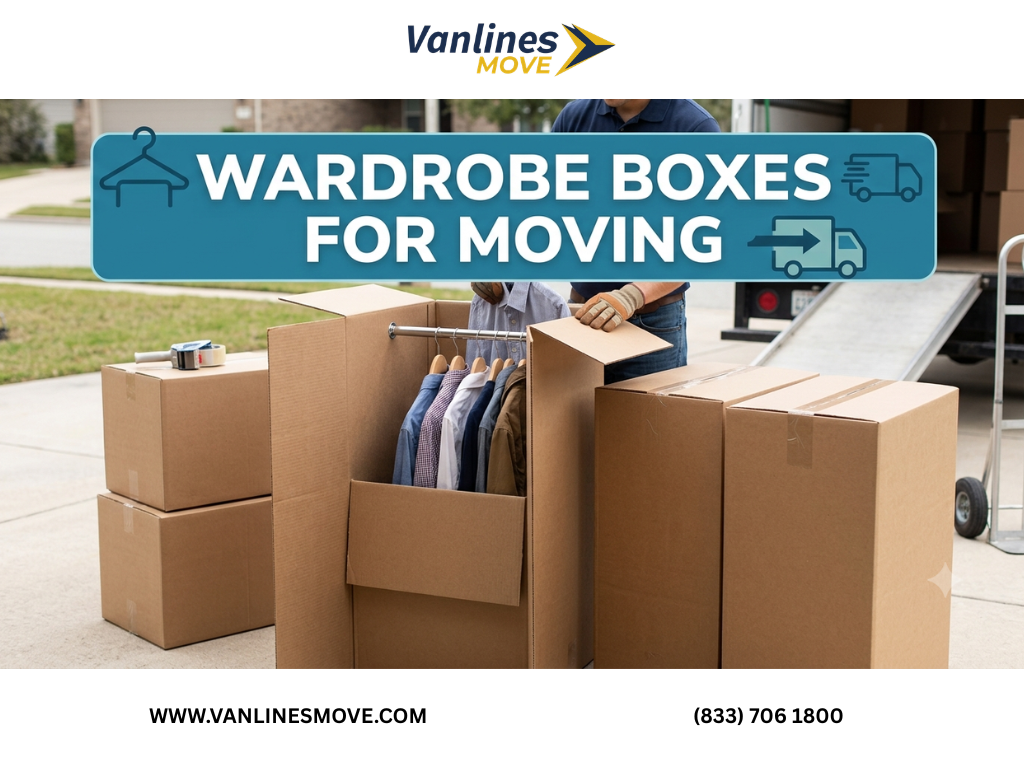
Moving can be a daunting task, often synonymous with endless packing, heavy lifting, and the inevitable discovery of wrinkled clothes upon arrival. While standard moving boxes handle most household items, your wardrobe demands special consideration. Enter wardrobe boxes: specialized containers designed to transport your hanging clothes with minimal fuss and maximum protection. These ingenious boxes streamline the packing process, protect your garments from damage, and make unpacking significantly easier. For anyone looking to move their clothing efficiently and safely, understanding the benefits and proper use of wardrobe boxes is essential.
What Are Wardrobe Boxes?
Wardrobe boxes are essentially portable closets. They are tall, sturdy cardboard boxes equipped with a metal hanging bar near the top, allowing you to transfer clothes directly from your closet rod into the box without removing them from their hangers. This design feature is their primary advantage, eliminating the need to fold, stack, or iron garments post-move. Available in various sizes, they accommodate different types of clothing, from shirts and blouses to long dresses and suits, ensuring that your entire wardrobe arrives at your new home in pristine condition.
Why Use Wardrobe Boxes for Moving?
The benefits of incorporating wardrobe boxes into your moving strategy extend far beyond simple convenience. They offer practical advantages that can save you time, effort, and even money in the long run.
Preserve Clothing Condition
- Wrinkle-Free Transport: The most significant advantage is keeping your clothes on hangers. This prevents creases, wrinkles, and folds that typically occur when garments are folded and packed into regular boxes or bags. Delicate fabrics, suits, dresses, and formal wear especially benefit from this.
- Protection from Dust and Dirt: The enclosed nature of the box shields your clothes from dust, dirt, and potential spills during transit, ensuring they remain clean and ready to wear.
- Maintain Shape: Heavy coats, tailored jackets, and other structured garments retain their shape better when hung rather than folded or crammed into tight spaces.
Save Time and Effort
- Faster Packing: Packing with wardrobe boxes is incredibly quick. Simply transfer clothes from your closet rod to the box's hanging bar.
- Easier Unpacking: Upon arrival, you can hang your clothes directly into your new closet, often without needing to iron or re-fold. This significantly cuts down on post-move chores.
- Reduced Laundry Burden: Since clothes stay clean and wrinkle-free, you avoid a mountain of laundry and ironing that often accompanies traditional packing methods.
Enhanced Organization and Efficiency
- Categorized Packing: You can pack sections of your closet together, maintaining organization. For instance, all work clothes in one box, casual wear in another.
- Clear Labeling: Wardrobe boxes are easy to label, making it simple to identify contents and direct them to the correct room in your new home.
- Efficient Space Utilization: While they are bulky, they efficiently utilize vertical space for hanging items, and the bottom of the box can often be used for lighter, folded items or shoes.
Types and Sizes of Wardrobe Boxes
Wardrobe boxes come in a few standard sizes to accommodate different wardrobe needs:
- Standard/Short Wardrobe Box: Typically around 24" (L) x 24" (W) x 34" (H). These are ideal for shirts, blouses, jackets, and shorter garments. They usually hold about 1.5 to 2 feet of closet rod space.
- Tall/Long Wardrobe Box: Often measuring around 24" (L) x 24" (W) x 48" (H) or 60" (H). These are perfect for longer items like dresses, coats, suits, and pants. They offer more vertical space, preventing longer garments from dragging on the bottom.
- Lay-Down Wardrobe Box (Specialty): Less common but useful, these are wider and shallower, designed for transporting delicate garments flat without folding, though they don't feature a hanging bar. For most moves, the upright hanging wardrobe boxes are preferred.
Consider the height of your longest garments when selecting box sizes. A mix of standard and tall boxes often provides the best solution for a diverse wardrobe.
When to Use Wardrobe Boxes
While versatile, wardrobe boxes are particularly beneficial in certain scenarios:
- Delicate and Expensive Clothing: Suits, formal dresses, silk blouses, cashmere sweaters, and other high-value items are best protected in a wardrobe box.
- Large Volume of Hanging Clothes: If a significant portion of your wardrobe consists of items that hang in your closet, these boxes are a game-changer.
- Saving Time and Effort: For those with busy schedules or who simply want to minimize moving stress, the time saved in packing and unpacking is invaluable.
- Long-Distance Moves: The longer the journey, the more susceptible clothes are to shifting and wrinkling. Wardrobe boxes provide superior protection for long-distance moves, ensuring your clothes arrive in the best possible condition.
- Professional Movers: Many professional moving companies recommend or provide wardrobe boxes as part of their service, as they make loading and unloading more efficient for the crew.
How Many Wardrobe Boxes Do You Need?
Estimating the number of wardrobe boxes required depends on the volume and type of your hanging clothes. A good rule of thumb is that one standard wardrobe box can hold approximately 1.5 to 2 feet of clothes on a closet rod. Tall boxes might hold slightly more due to their height.
To get an accurate estimate:
- Measure Your Closet Rods: Use a tape measure to determine the total linear feet of hanging clothes you have.
- Consider Clothing Density: If your clothes are tightly packed, you might need more boxes. If they're loosely hung, you might need fewer.
- Account for Seasonality: If you're moving during a season change, consider what clothes you'll need immediately versus those that can be folded or packed differently.
- Add a Buffer: It's always better to have one or two extra boxes than to run short mid-packing. You can always use extra boxes for bulky linens, pillows, or other lightweight items.
Where to Buy Wardrobe Boxes
Wardrobe boxes are readily available from several sources:
- Moving Supply Retailers: Specialized moving supply stores often carry a full range of box sizes and packing materials.
- Home Improvement Stores: Major retailers like U-Haul, Home Depot, Lowe's, and other hardware stores typically stock wardrobe boxes.
- Online Marketplaces: Amazon, eBay, and other e-commerce sites offer various brands and sizes, often with bulk discounts.
- Professional Moving Companies: Many moving services offer packing supplies, including wardrobe boxes, sometimes as part of a package or for purchase.
- Used Boxes: Check online classifieds, local moving forums, or even ask friends who have recently moved. Reusing boxes is eco-friendly and cost-effective, but always inspect them for damage or pests.
How to Pack a Wardrobe Box Effectively
Packing a wardrobe box correctly maximizes its utility and ensures your clothes remain protected.
Preparation is Key
- Declutter First: Before packing, go through your wardrobe. Donate, sell, or discard anything you no longer need or wear. This reduces the number of boxes you'll need and lightens your load.
- Clean Clothes: Ensure all clothes are clean and dry before packing. This prevents mildew and unpleasant odors during storage or transit.
- Gather Supplies: You'll need the wardrobe boxes, packing tape, a marker, and possibly some packing paper or bubble wrap for delicate accessories.
Loading the Wardrobe Box
- Assemble the Box: Follow the manufacturer's instructions to assemble the box, ensuring the bottom is securely taped. Insert the metal hanging bar into the designated slots at the top.
- Transfer Clothes Directly: Take groups of clothes (still on their hangers) from your closet rod and place them onto the hanging bar inside the wardrobe box.
- Don't Overpack: While it's tempting to cram as many clothes as possible, overpacking can crush garments and make the box excessively heavy and difficult to lift. Leave a little space for air circulation.
- Mix Item Types: For balance, mix heavier items (coats, jackets) with lighter ones (shirts, blouses) on the bar.
- Utilize Bottom Space (Wisely): The bottom of the wardrobe box offers additional space. This is ideal for lightweight, non-crushable items like:
- Shoes (individually wrapped or in shoe bags)
- Folded sweaters or casual wear
- Linens, towels, or bedding
- Soft accessories like scarves or belts
- Add Protection for Delicate Items: For very delicate garments, you might consider placing a plastic garment bag over them before hanging them in the box, or using tissue paper between items.
Securing and Labeling
- Close and Tape Securely: Once packed, close the box flaps and tape them securely, especially the top flaps around the hanging bar.
- Label Clearly: Label each box on at least two sides with its contents (e.g., "Master Bedroom - Hanging Clothes," "Formal Wear") and the destination room. Add "FRAGILE" if the contents are particularly delicate.
- Indicate "UP": Draw arrows pointing upwards to ensure the box is kept upright during transit.
Tips for Moving Wardrobe Boxes
- Handle with Care: Due to their height and potential weight, wardrobe boxes can be cumbersome. Always lift with your legs and, if possible, move them with a dolly or a second person.
- Keep Upright: Emphasize to anyone handling the boxes (movers, friends) that they must remain upright to prevent clothes from slipping off hangers or wrinkling.
- Load Last, Unload First: In the moving truck, wardrobe boxes should ideally be loaded towards the end, closest to the door, so they can be easily accessed and unloaded first at your new home. This allows for immediate transfer of clothes to the closet.
- Communicate with Movers: If you're hiring professional movers, ensure they understand how to handle wardrobe boxes. Many experienced movers are familiar with them, but a reminder doesn't hurt. For tips on appreciating their hard work, you might want to read How Much to Tip Movers for 3 Hours? (Quick Guide).
Alternatives to Wardrobe Boxes
While wardrobe boxes are highly recommended, sometimes they aren't feasible. Here are some alternatives, along with their pros and cons:
- Garbage Bags: You can gather a handful of clothes on hangers, pull a large garbage bag over them from the bottom up, and tie the drawstrings around the hanger hooks.
- Pros: Cheap, readily available, quick.
- Cons: Offers minimal protection from crushing or wrinkling, prone to tearing, clothes can get dirty.
- Suitcases and Duffel Bags: Best for folded clothes, but can also accommodate a few delicate items carefully folded or rolled.
- Pros: Reusable, good protection for folded items, easy to transport.
- Cons: Doesn't keep clothes on hangers, limited capacity for hanging items, can be heavy.
- Regular Moving Boxes: Requires folding all clothes, which increases unpacking time and ironing.
- Pros: Readily available, cost-effective.
- Cons: Clothes will wrinkle, takes more time to pack and unpack, less protective for delicate fabrics.
- Portable Garment Racks: These can be used to transport hanging clothes within a local move if you have ample vehicle space.
- Pros: Keeps clothes on hangers, easy access.
- Cons: Bulky, not suitable for long-distance or professional moves, clothes are exposed.
Cost-Benefit Analysis: Are They Worth the Investment?
Wardrobe boxes are generally more expensive than standard moving boxes. A single box can cost anywhere from $15 to $30, depending on size and retailer. So, are they worth it?
- Time Savings: The time saved in not having to fold, pack, unpack, and iron potentially hundreds of garments is significant. This convenience alone often justifies the cost for many.
- Protection of Investment: If you have an expensive wardrobe, including suits, dresses, or delicate fabrics, the cost of replacing or professionally cleaning/steaming damaged items could far exceed the cost of the boxes.
- Reduced Stress: Moving is stressful. Anything that simplifies a major task like packing clothes contributes to a smoother, less overwhelming experience.
- Efficiency: For professional movers, using wardrobe boxes makes their job faster and more efficient, potentially reducing labor costs if you're paying by the hour.
For individuals moving across state lines or with a substantial collection of hanging garments, the investment in wardrobe boxes typically pays for itself in convenience, protection, and peace of mind.
Environmental Considerations
While made of cardboard, wardrobe boxes are a single-use item for many. To minimize environmental impact:
- Reuse: If possible, save your wardrobe boxes for future moves or offer them to friends, family, or neighbors who are planning a relocation.
- Recycle: Once they've served their purpose, break them down flat and recycle them according to your local recycling guidelines.
- Buy Used: Look for used wardrobe boxes online or from local moving groups to extend their lifespan.
Conclusion
Wardrobe boxes for moving are an indispensable tool for anyone seeking an efficient, safe, and stress-free relocation of their clothing. By allowing garments to remain on their hangers, these specialized boxes eliminate wrinkles, protect delicate fabrics, and dramatically reduce both packing and unpacking time. While they represent a slightly higher upfront cost than standard boxes, the benefits in terms of convenience, garment protection, and overall moving efficiency make them a worthwhile investment. Embrace the simplicity and security that wardrobe boxes offer, and transform a potentially tedious aspect of moving into a streamlined success.
Frequently Asked Questions About Wardrobe Boxes
Q1: Can I reuse wardrobe boxes for another move?
A: Yes, absolutely! If wardrobe boxes are handled carefully during the move and stored properly afterward (e.g., flattened to save space), they can be reused for several moves. Inspect them for any damage or structural integrity issues before reuse.
Q2: How much weight can a wardrobe box hold?
A: Most standard wardrobe boxes are designed to hold between 50 to 80 pounds of clothing. However, it's crucial not to overpack them, as this can strain the hanging bar and make the box excessively heavy to lift and carry safely.
Q3: Can I pack shoes or other items at the bottom of a wardrobe box?
A: Yes, the bottom of a wardrobe box is excellent for lightweight, non-crushable items like shoes (preferably in shoe bags), folded sweaters, linens, pillows, or towels. Avoid heavy, bulky, or sharp items that could damage the hanging clothes or make the box unbalanced.
Q4: Do professional movers provide wardrobe boxes?
A: Many professional moving companies offer wardrobe boxes as part of their packing services or for purchase. Some even include their use in the moving cost, especially for full-service moves. It's best to confirm with your moving company beforehand.
Q5: Is it worth buying wardrobe boxes for a short-distance move?
A: Even for short-distance moves, wardrobe boxes offer significant convenience by keeping clothes wrinkle-free and speeding up the unpacking process. If you have a substantial amount of hanging clothes or delicate garments, the investment is still often worthwhile.
Q6: What if my clothes are too long for a standard wardrobe box?
A: If you have very long dresses, coats, or robes, opt for "tall" or "long" wardrobe boxes, which typically measure 48 inches or even 60 inches in height. This extra vertical space prevents garments from bunching or dragging on the bottom of the box.
Q7: Can I put anything else besides clothes on the hanging bar?
A: The hanging bar is specifically designed for clothes hangers. While theoretically you might hang other lightweight, soft items, it's best to stick to garments to maintain balance and prevent damage to the bar or the box itself.
Categories
- Long Distance Moving161
- Local Moving120
- Commercial Moving40
- Residential Moving34
- Last – Minute Moving25
- Furniture Moving11
- Moving Tips & Lifestyle11
- Moving Tips & How-To Guides8
- Moving services7
- Moving Costs & Budgeting6
- Moving Cost5
- Moving Cost Calculator5
- Long distance moving5
- Moving Tips5
- long distance moving5
- Moving Guides5
- Moving Container4
- moving tips4
- Moving companies4
- state to state movers4
- Piano Moving3
- Car Transportation3
- Truck Rental3
- Local Move3
- best moving rates3
- cheap moving companies3
- affordable moving companies3
- full-service movers3
- Moving3
- Long-Distance Moving3
- Moving Cost Guides3
- Moving Tips & Planning3
- Junk Removal2
- Senior Moving2
- Senior Relocation Moving Companies2
- Moving Tools2
- Moving Estimates2
- interstate moving2
- College Moving2
- Dorm Moving2
- Tips for moving2
- cross-country move2
- International moving2
- Household moving2
- Relocation Guide2
- Moving Tips & State Guides2
- Heavy Equipment1
- Senior Moving Services1
- office moving1
- office relocation1
- employee relocation1
- Car Transport1
- Vehicle Shipping1
- Car Shipping Services1
- Artificial Intelligence1
- Office Moving Services1
- Commercial Moving Companies1
- Corporate Moving Services1
- Corporate Movers1
- full-service moving companies1
- sustainable moving companies1
- green movers1
- Moving in US1
- Best places to move in 20251
- 2025 moving1
- Full-Service Moving Companies1
- College moving services1
- Moving to College1
- Moving Season1
- Spring Moving1
- donate1
- sell1
- Movers in California1
- Movers in Studio City1
- Moving to California1
- Laws about Moving into California1
- Moving Laws1
- House moving1
- packing1
- cheap moving ways1
- Moving guide1
- moving across countries1
- international relocation program1
- move out cleaning1
- right packing supplies1
- pack while moving1
- Apartment moving1
- PODS1
- moving out1
- state to state move1
- California movers1
- Truck Rental1
- US Territory Relocation1
- International Moving1
- Shipping & Moving Tips1
- Moving Budget Guide1
- Moving Tools & Equipment Guides1
- Moving Services & Options1
- Moving Tips & How-To Guides1
- Moving Day & Settling In1
- Mobile Home Moving1
- Moving Guide & Tips1
- Moving Tips & State Comparisons1
- Moving Tips & City Guides1
- Moving Tips & Cost Guides1
- Long-Distance Moving Tips1
- Moving Tips & Financial Planning1
- Moving Tips & Home Preparation1
- Vehicle Shipping & Auto Transport1
- Marketing & Lead Generation1
- International Moving Guides1
- Moving Costs1
- San Francisco Moving Guide1
- NYC Moving1
- Local Movers1
- Budget Moving1
- Student Moving1
- Affordable Moving1
- Specialty Moving Guides1
- Local & Long-Distance Moving1
- Boston Moving Guide1
- Europe Relocation Guide1
- Moving Costs & Specialty Moving1
- Cost of Living1
- Relocation1
- International Moving1
- Lifestyle & Relocation1
- State Guides1
- Home Buying Guide1
- Moving Timeline1
- Real Estate Tips1
- Appliance Moving1
- Packing & Preparation1
- Interstate Relocation1
- City-to-City Moving Guide1
- Technology for Movers1
- Moving Reviews1
- Moving Costs & Storage1
- Moving Tips & Equipment Guides1
- Moving Guides & Cost Insights1
- Moving Supplies1
- Packing Tips1
- Home Moving1
- Relocation Tips1
- State Moving Guides1
- New Home Guide1
- Relocation Advice1



 Chat with us on WhatsApp!


 BBB A+ Rated
 Great! We serve your area
 Licensed & Insured
 Takes 60 seconds

 Discount expires in
 Limited Time: Only 3 premium movers available in your area


 Your information is 100% secure