


 Local Movers
 Last-Minute Movers
 Junk Removal
 Long Distance Movers
 Piano Movers
 Heavy Equipment
 Commercial Movers
 Moving Container
 Car Transportation
 Furniture Movers
 Truck Rental
 Moving Cost Calculator
 Moving Planner
 Packing Calculator
 Moving Checklist
 Moving Insurance
 FAQ
FAQ Contact Us
 Moving Loan
 Privacy Policy
 Join Our Network
 About Us
Protect Your Furniture: Essential Moving Blankets Guide


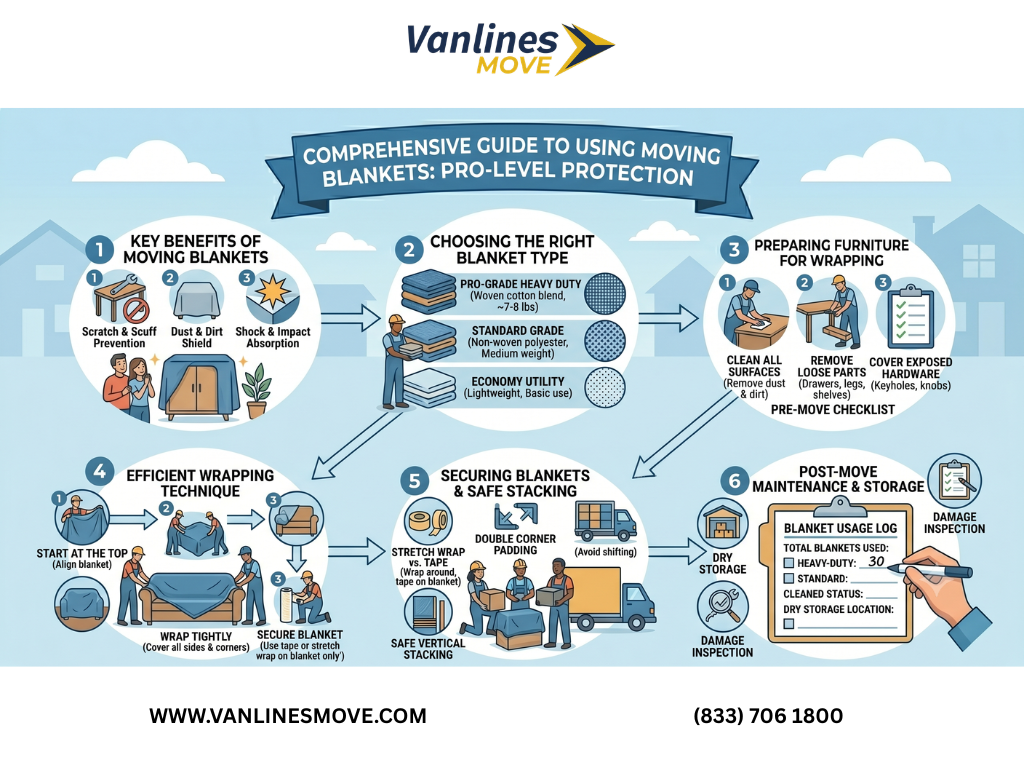
Moving day is often synonymous with excitement, new beginnings, and, unfortunately, potential damage to your cherished belongings. Among the myriad of packing supplies, from cardboard boxes to bubble wrap, one item stands out as a true guardian of your furniture: the moving blanket. Often overlooked or underestimated, these padded protectors are the unsung heroes of a successful, damage-free move. Whether you're relocating across town or undertaking a significant long-distance move from Iowa to Nebraska, understanding the crucial role and proper application of moving blankets is paramount to safeguarding your investments.
This comprehensive guide delves deep into the world of moving blankets, exploring their types, materials, applications, and why they are an indispensable part of any moving arsenal. From antique dressers to modern electronics, knowing how to properly wrap and secure your items with moving blankets can mean the difference between a smooth transition and a costly repair. Prepare to transform your moving strategy and ensure your furniture arrives at its new home in pristine condition.
What Exactly Are Moving Blankets?
At their core, moving blankets are heavy-duty, padded covers designed to protect items during transit. Unlike regular household blankets, they are specifically engineered for durability, shock absorption, and friction reduction. They act as a crucial barrier between your valuable possessions and the unforgiving surfaces of moving trucks, dollies, and other items, shielding them from scratches, dents, dings, and dust.
Often referred to as furniture pads, shipping blankets, or simply moving pads, these protective layers are a staple in the moving industry. They are used by professional movers worldwide and are an absolute must-have for anyone planning a DIY move. Their robust construction allows them to endure the rigors of loading, unloading, and transportation, providing peace of mind that your belongings are well-protected.
Types of Moving Blankets: Choosing the Right Protection
Not all moving blankets are created equal. They come in various grades, each designed for different levels of protection and frequency of use. Understanding these distinctions is key to selecting the most appropriate blankets for your specific moving needs.
Professional/Heavy-Duty Moving Blankets
These are the Cadillac of moving blankets, often used by professional furniture movers. They are characterized by their superior thickness, weight, and durability. Typically made from a woven fabric exterior (often a blend of cotton and polyester) with a dense, non-woven batting interior, they offer maximum cushioning and tear resistance. The stitching is usually robust, often a zigzag or lock stitch pattern, to prevent unraveling and enhance longevity. Heavy-duty blankets are ideal for protecting high-value items, fragile antiques, delicate finishes, and for repeated use over many moves. Their weight can range from 70 to 85 pounds per dozen, indicating their substantial padding.
Standard/Economy Moving Blankets
A step down from professional-grade, economy moving blankets offer a good balance of protection and affordability. They are generally lighter, with a non-woven fabric exterior (often polyester or polypropylene) and a thinner batting interior. While still providing adequate protection for most furniture and appliances, they may not withstand as much abuse or offer the same level of cushioning as their heavy-duty counterparts. These are an excellent choice for one-time moves, protecting less valuable items, or for those on a tighter budget. They typically weigh between 50 to 65 pounds per dozen.
Lightweight/Skin Moving Blankets
Also known as "skins," these are the lightest and thinnest moving blankets available. They are often made from a single layer of non-woven material, offering minimal padding. Their primary purpose is to protect items from dust, dirt, and minor scratches, rather than significant impact. They are useful for wrapping items that are already boxed, for covering floors, or for providing a basic layer of separation between stacked items in a truck. While they are the most economical option, they should not be relied upon for protecting fragile or high-value items from impact.
Specialized Moving Blankets
Beyond the general categories, some specialized blankets cater to unique needs:
- Quilted Blankets: These often fall into the heavy-duty category but feature a distinct quilted pattern, enhancing their durability and ensuring the inner padding remains evenly distributed.
- Non-Slip Blankets: Designed with a textured or rubberized surface on one side, these blankets help prevent items from shifting during transit, adding an extra layer of security.
- Waterproof Blankets: While less common, some blankets come with a waterproof backing to protect items from moisture, which can be crucial during moves in inclement weather.
Materials and Construction: What Makes a Moving Blanket Effective?
The effectiveness of a moving blanket lies in its construction and the materials used. Understanding these elements helps in appreciating why they offer superior protection compared to regular household blankets.
Outer Fabric
- Woven (Cotton/Polyester Blend): Found in professional-grade blankets, woven fabrics offer superior tear resistance, durability, and a softer feel that won't scratch delicate surfaces. The blend of cotton and polyester provides strength and resilience.
- Non-Woven (Polyester/Polypropylene): Common in economy and lightweight blankets, non-woven fabrics are made by bonding fibers together, often resulting in a slightly rougher texture. While less durable than woven fabrics for repeated heavy use, they are cost-effective and still provide good protection against abrasions and dust for single moves.
Inner Padding (Batting)
The core of a moving blanket's protective capability comes from its inner padding, or batting. This is typically made from recycled materials, primarily cotton or synthetic fibers. The density and thickness of this batting determine the blanket's cushioning properties. Heavy-duty blankets will have a much thicker, denser batting, offering superior shock absorption and impact resistance. Economy blankets will have thinner batting, providing less cushioning but still an effective barrier.
Stitching
The quality of stitching significantly impacts a blanket's lifespan and ability to hold its shape. Professional-grade blankets often feature a robust zigzag or lock stitch pattern that securely binds the outer fabric layers to the inner batting, preventing the padding from shifting and the edges from fraying. Economy blankets may use simpler stitching, which can be adequate for limited use but might not hold up to rigorous, repeated handling.
Weight and Size
Moving blankets are often measured by their weight per dozen (e.g., 60 lbs/dozen) or by their GSM (grams per square meter). A higher weight or GSM generally indicates a thicker, denser blanket with more padding. Standard sizes typically range from 72x80 inches, but variations exist to accommodate larger or smaller items. It's always better to have blankets that are slightly larger than needed, as excess material can be folded for extra padding or tucked in.
Why Moving Blankets are Indispensable for Your Move
The reasons to invest in or rent quality moving blankets are numerous and compelling:
- Protection Against Scratches and Dings: This is their primary function. Furniture, especially wooden pieces, easily gets scratched when rubbing against other items, truck walls, or even during handling. A moving blanket provides a soft, protective layer.
- Shock Absorption: During transit, items can shift, bump, and experience vibrations. The padding in moving blankets helps absorb these impacts, protecting delicate items from internal and external damage.
- Dust and Dirt Barrier: Moving can be a dusty process. Blankets keep your furniture clean and free from grime, especially during long hauls or storage.
- Preventing Shifting: When items are packed tightly in a truck, blankets create friction between surfaces, reducing the likelihood of items sliding against each other and causing damage.
- Floor and Wall Protection: Beyond furniture, blankets can be laid on floors to prevent scratches from dollies or heavy items being dragged. They can also be draped over doorframes or banisters to protect walls from scrapes during maneuvering.
- Edge and Corner Protection: The most vulnerable parts of furniture are its edges and corners. Blankets can be folded and secured to provide extra padding precisely where it's needed most.
- Professional Appearance: Using moving blankets not only protects your items but also gives your move a more organized and professional feel, whether you're hiring movers or doing it yourself.
How to Choose the Right Moving Blankets for Your Needs
Making an informed decision about moving blankets involves considering several factors:
1. Assess Your Inventory
- High-Value/Fragile Items: For antiques, pianos, glass-top tables, high-gloss furniture, or delicate electronics, opt for professional/heavy-duty blankets for maximum protection.
- Standard Furniture/Appliances: Sofas, beds, dressers, refrigerators, and washing machines can generally be protected with standard/economy blankets.
- Less Critical Items/Dust Protection: For items already in boxes or for general separation, lightweight skins might suffice.
2. Consider the Moving Distance and Conditions
- Local Move: For short distances with minimal bumps, economy blankets might be sufficient for most items.
- Long-Distance Move: The longer the journey, the more vibrations and potential for shifting. Heavy-duty blankets are highly recommended for long-distance moves to ensure superior protection over extended periods, especially when relocating from New Hampshire to Texas.
- Storage: If items will be going into storage, blankets provide an excellent dust and dirt barrier and can help prevent moisture damage, especially if the storage unit isn't climate-controlled.
3. Budget vs. Protection Level
While heavy-duty blankets offer the best protection, they also come at a higher cost. Balance your budget with the value of your possessions. Sometimes, spending a little more on blankets can save you a lot in repair or replacement costs later.
4. Quantity Needed
A good rule of thumb is to estimate one moving blanket per major furniture item or appliance. For larger pieces like sectionals or king-size beds, you might need two or more. Don't forget to account for items like mirrors, artwork, and for covering floors/walls. It's always better to have a few extra than to run short.
Proper Techniques for Using Moving Blankets
Simply having moving blankets isn't enough; knowing how to use them effectively is crucial. Proper wrapping techniques maximize their protective capabilities.
Wrapping Furniture
- Tables (especially with removable legs): Remove legs if possible and wrap them separately. Place the tabletop face down on a blanket, then wrap the entire top securely. For glass tops, consider adding a layer of cardboard before the blanket.
- Chairs: Place the chair on its back on a blanket. Bring one side of the blanket over the seat and back, then the other. Secure tightly. Pay extra attention to legs and arms.
- Dressers and Chests: Empty all drawers and secure them with tape or shrink wrap to prevent them from opening. Lay the dresser on its back on a blanket, then wrap it completely, ensuring all sides and corners are covered.
- Sofas and Sectionals: For large items, you might need two or more blankets. Start by covering one end, then overlap with another blanket to cover the rest. Ensure all fabric and exposed wood are covered.
- Appliances (Refrigerators, Washers, Dryers): Clean and defrost appliances first. Secure doors with tape or appliance straps. Wrap the entire appliance, paying attention to corners and delicate control panels.
Securing Blankets
Once an item is wrapped, the blanket needs to be secured to prevent it from slipping off during handling and transit:
- Moving Tape: Heavy-duty moving tape (not regular packing tape) is excellent for securing blankets. Apply tape directly to the blanket, avoiding contact with the furniture surface if possible, especially on delicate finishes.
- Shrink Wrap: A roll of industrial-strength shrink wrap can be used over the blanket to hold it firmly in place. This also adds an extra layer of dust and moisture protection.
- Moving Straps/Bands: For very large or heavy items, specialized moving straps or bands can be used over the blankets to provide a secure hold and often aid in carrying.
Protecting Corners and Edges
Corners and edges are the most common points of impact. For extra protection, fold an additional piece of blanket material or use cardboard corner protectors underneath the main blanket wrap. This creates a thicker buffer zone.
Layering for Extra Protection
For extremely fragile or valuable items, consider layering. Wrap the item in bubble wrap first, then apply a moving blanket, and finally secure it with shrink wrap or tape. This multi-layered approach offers maximum defense.
Using Blankets for Floor and Wall Protection
Don't just think about furniture. Lay blankets on high-traffic floor areas, especially hardwood or tile, to prevent scratches from dollies, furniture legs, or dropped tools. Drape them over banisters, doorways, and wall corners that are likely to be bumped during furniture maneuvering.
Beyond Furniture: Other Creative Uses for Moving Blankets
Moving blankets are versatile tools that can be repurposed for many uses beyond their primary function:
- Appliance Protection: As mentioned, they are perfect for fridges, washers, dryers, and ovens.
- Art and Mirror Protection: Wrap framed art and mirrors, adding cardboard for rigidity before the blanket.
- Electronics: TVs, computer monitors, and stereo equipment benefit from the soft padding and dust protection.
- Sound Dampening: In a pinch, they can be hung on walls or placed on floors to absorb sound, useful for home recording studios or noisy spaces.
- Pet Bedding/Carriers: Economy blankets can make comfortable, washable bedding for pets or line pet carriers during travel.
- Car Trunk/Truck Bed Liners: Protect your vehicle's interior from dirty or abrasive items.
- Picnic Blankets: Clean, economy blankets can serve as durable picnic blankets.
- Workshop/Garage Use: Protect work surfaces, cushion items, or use as drop cloths.
Renting vs. Buying Moving Blankets: Which Option is Right for You?
Deciding whether to rent or buy moving blankets depends on several factors, including the frequency of your moves, storage availability, and budget.
Renting Moving Blankets
Pros:
- Cost-Effective for One-Time Moves: If you only move occasionally, renting is often cheaper than purchasing a full set of blankets.
- No Storage Needed: You don't have to worry about storing bulky blankets after your move.
- Access to Professional Grade: Rental companies often provide high-quality, heavy-duty blankets that might be expensive to buy outright.
- Environmentally Friendly: Reusing rental blankets reduces waste.
Cons:
- Return Hassle: You'll need to return them, which adds another task to your post-move checklist.
- Potential for Damage Fees: If blankets are returned damaged, you might incur additional charges.
- Availability: Depending on demand, your preferred quantity or quality might not always be available.
Buying Moving Blankets
Pros:
- Always Available: You own them, so they're ready whenever you need them for moving, storage, or other purposes.
- Long-Term Investment: If you move frequently, buying can be more cost-effective in the long run.
- Guaranteed Quality: You choose the quality you want and can be assured of their condition.
- Versatility: Can be repurposed for various uses around the house, garage, or for future moves.
Cons:
- Higher Upfront Cost: The initial investment is greater than renting.
- Storage Requirements: You'll need space to store them between uses.
- Disposal: Eventually, they may wear out and need to be disposed of.
For most residential moves, renting is a popular choice for its convenience and cost-effectiveness. However, if you anticipate multiple moves or have a regular need for protective padding (e.g., for a small business, a workshop), purchasing a good set of heavy-duty blankets is a wise investment.
Care and Storage of Moving Blankets
To ensure your moving blankets last for many moves, proper care and storage are essential:
- Shake Out Dust and Debris: After each use, vigorously shake out the blankets outdoors to remove any loose dust, dirt, or small debris.
- Spot Clean or Wash (if applicable): Most moving blankets are not designed for machine washing, especially the heavier, padded ones, as it can damage the inner batting and compromise their protective qualities. For minor spots, use a damp cloth with mild soap and air dry completely. For economy or lightweight blankets, check manufacturer instructions; some might tolerate a gentle machine wash and air dry.
- Ensure Complete Dryness: Before folding and storing, ensure the blankets are completely dry to prevent mildew and odors. Hang them in a well-ventilated area.
- Fold Neatly: Fold blankets neatly to save space and maintain their shape. A common method is to fold them in half lengthwise, then in half again, and roll them or fold them into squares.
- Store in a Dry, Clean Place: Keep blankets in a clean, dry environment, away from direct sunlight and pests. Storage bins or large plastic bags can protect them from dust and moisture between uses.
The Professional Advantage: How Movers Utilize Blankets
Professional movers don't just use moving blankets; they master their application. Their expertise offers several advantages:
- Expert Techniques: Movers are trained in efficient and secure wrapping techniques for all types of furniture, ensuring maximum protection. They know how to layer, secure, and strategically place blankets to prevent damage.
- Specialized Equipment: Along with blankets, professionals use specialized dollies, straps, and ramps, all designed to work in conjunction with blankets for safe handling.
- Experience with Challenges: They have encountered every moving challenge imaginable – narrow staircases, tight corners, heavy items. Their experience allows them to navigate these obstacles while keeping items protected.
- Efficiency and Speed: While protecting items, professional movers also work efficiently, minimizing the time it takes to load and unload.
- Insurance and Liability: When you hire professional movers, your items are typically covered by their insurance, adding another layer of security beyond the physical protection of blankets.
Conclusion: Your Furniture's Best Defense on Moving Day
Moving blankets are far more than just pieces of fabric; they are an essential investment in the safety and preservation of your belongings. From preventing unsightly scratches to absorbing the shocks of transit, their role in a successful move cannot be overstated. By understanding the different types, choosing the right quality for your needs, and mastering proper wrapping techniques, you empower yourself to undertake a move with confidence and peace of mind.
Whether you're embarking on a DIY adventure or entrusting your possessions to professional movers, remember the humble moving blanket. It's the silent guardian that ensures your cherished furniture arrives at its new destination just as it left its old one – intact, beautiful, and ready to make your new house a home. Don't underestimate their power; make moving blankets a cornerstone of your moving strategy.
Frequently Asked Questions About Moving Blankets
Q1: How many moving blankets do I need for an average 2-bedroom home?
A1: For an average 2-bedroom home, you'll likely need between 24-36 moving blankets. This provides enough to cover major furniture pieces, appliances, and some fragile items. It's always better to have a few extra than to run short during the move.
Q2: Can I use regular household blankets instead of moving blankets?
A2: While regular blankets can offer some minimal protection against dust and minor scratches, they lack the dense padding and durable construction of moving blankets. They won't provide adequate shock absorption or tear resistance for heavy furniture and appliances, significantly increasing the risk of damage during transit.
Q3: What's the best way to secure a moving blanket around furniture?
A3: The most effective ways to secure moving blankets are with heavy-duty moving tape (applied to the blanket itself, not directly to furniture finishes), industrial-strength shrink wrap, or specialized moving straps/bands. Shrink wrap is particularly effective as it holds the blanket tightly in place and adds an extra layer of protection.
Q4: Are moving blankets reusable?
A4: Yes, most moving blankets, especially professional-grade and standard ones, are designed for multiple uses. With proper care, cleaning, and storage, they can last for many moves. Lightweight skins might have a shorter lifespan but can still be reused if not heavily damaged.
Q5: Can moving blankets protect electronics like TVs?
A5: Absolutely. Moving blankets provide excellent protection for electronics like flat-screen TVs, computer monitors, and stereo equipment. For TVs, it's recommended to first place the TV in its original box or a specialized TV moving box, and then wrap the entire box in a moving blanket for added cushioning and impact resistance.
Q6: Where can I buy or rent moving blankets?
A6: Moving blankets can be purchased at most home improvement stores, moving supply retailers, and online marketplaces. Many moving truck rental companies and professional moving services also offer them for rent.
Q7: Is it worth buying expensive heavy-duty blankets for a single move?
A7: If you have high-value, antique, or delicate furniture, investing in heavy-duty blankets is often worth it, even for a single move, to prevent potentially costly damage. Alternatively, consider renting professional-grade blankets for that specific move to get the best protection without the upfront purchase cost.
Categories
- Long Distance Moving161
- Local Moving120
- Commercial Moving40
- Residential Moving34
- Last – Minute Moving25
- Furniture Moving11
- Moving Tips & Lifestyle11
- Moving Tips & How-To Guides8
- Moving services7
- Moving Costs & Budgeting6
- Moving Cost5
- Moving Cost Calculator5
- Long distance moving5
- Moving Tips5
- long distance moving5
- Moving Guides5
- Moving Container4
- moving tips4
- Moving companies4
- state to state movers4
- Piano Moving3
- Car Transportation3
- Truck Rental3
- Local Move3
- best moving rates3
- cheap moving companies3
- affordable moving companies3
- full-service movers3
- Moving3
- Long-Distance Moving3
- Moving Cost Guides3
- Moving Tips & Planning3
- Junk Removal2
- Senior Moving2
- Senior Relocation Moving Companies2
- Moving Tools2
- Moving Estimates2
- interstate moving2
- College Moving2
- Dorm Moving2
- Tips for moving2
- cross-country move2
- International moving2
- Household moving2
- Relocation Guide2
- Moving Tips & State Guides2
- Heavy Equipment1
- Senior Moving Services1
- office moving1
- office relocation1
- employee relocation1
- Car Transport1
- Vehicle Shipping1
- Car Shipping Services1
- Artificial Intelligence1
- Office Moving Services1
- Commercial Moving Companies1
- Corporate Moving Services1
- Corporate Movers1
- full-service moving companies1
- sustainable moving companies1
- green movers1
- Moving in US1
- Best places to move in 20251
- 2025 moving1
- Full-Service Moving Companies1
- College moving services1
- Moving to College1
- Moving Season1
- Spring Moving1
- donate1
- sell1
- Movers in California1
- Movers in Studio City1
- Moving to California1
- Laws about Moving into California1
- Moving Laws1
- House moving1
- packing1
- cheap moving ways1
- Moving guide1
- moving across countries1
- international relocation program1
- move out cleaning1
- right packing supplies1
- pack while moving1
- Apartment moving1
- PODS1
- moving out1
- state to state move1
- California movers1
- Truck Rental1
- US Territory Relocation1
- International Moving1
- Shipping & Moving Tips1
- Moving Budget Guide1
- Moving Tools & Equipment Guides1
- Moving Services & Options1
- Moving Tips & How-To Guides1
- Moving Day & Settling In1
- Mobile Home Moving1
- Moving Guide & Tips1
- Moving Tips & State Comparisons1
- Moving Tips & City Guides1
- Moving Tips & Cost Guides1
- Long-Distance Moving Tips1
- Moving Tips & Financial Planning1
- Moving Tips & Home Preparation1
- Vehicle Shipping & Auto Transport1
- Marketing & Lead Generation1
- International Moving Guides1
- Moving Costs1
- San Francisco Moving Guide1
- NYC Moving1
- Local Movers1
- Budget Moving1
- Student Moving1
- Affordable Moving1
- Specialty Moving Guides1
- Local & Long-Distance Moving1
- Boston Moving Guide1
- Europe Relocation Guide1
- Moving Costs & Specialty Moving1
- Cost of Living1
- Relocation1
- International Moving1
- Lifestyle & Relocation1
- State Guides1
- Home Buying Guide1
- Moving Timeline1
- Real Estate Tips1
- Appliance Moving1
- Packing & Preparation1
- Interstate Relocation1
- City-to-City Moving Guide1
- Technology for Movers1
- Moving Reviews1
- Moving Costs & Storage1
- Moving Tips & Equipment Guides1
- Moving Guides & Cost Insights1
- Moving Supplies1
- Packing Tips1
- Home Moving1
- Relocation Tips1
- State Moving Guides1
- New Home Guide1
- Relocation Advice1



 Chat with us on WhatsApp!


 BBB A+ Rated
 Great! We serve your area
 Licensed & Insured
 Takes 60 seconds

 Discount expires in
 Limited Time: Only 3 premium movers available in your area


 Your information is 100% secure