


 Local Movers
 Last-Minute Movers
 Junk Removal
 Long Distance Movers
 Piano Movers
 Heavy Equipment
 Commercial Movers
 Moving Container
 Car Transportation
 Furniture Movers
 Truck Rental
 Moving Cost Calculator
 Moving Planner
 Packing Calculator
 Moving Checklist
 Moving Insurance
 FAQ
FAQ Contact Us
 Moving Loan
 Privacy Policy
 Join Our Network
 About Us
How to Pack Clothes for Moving: Stress-Free Tips & Tricks


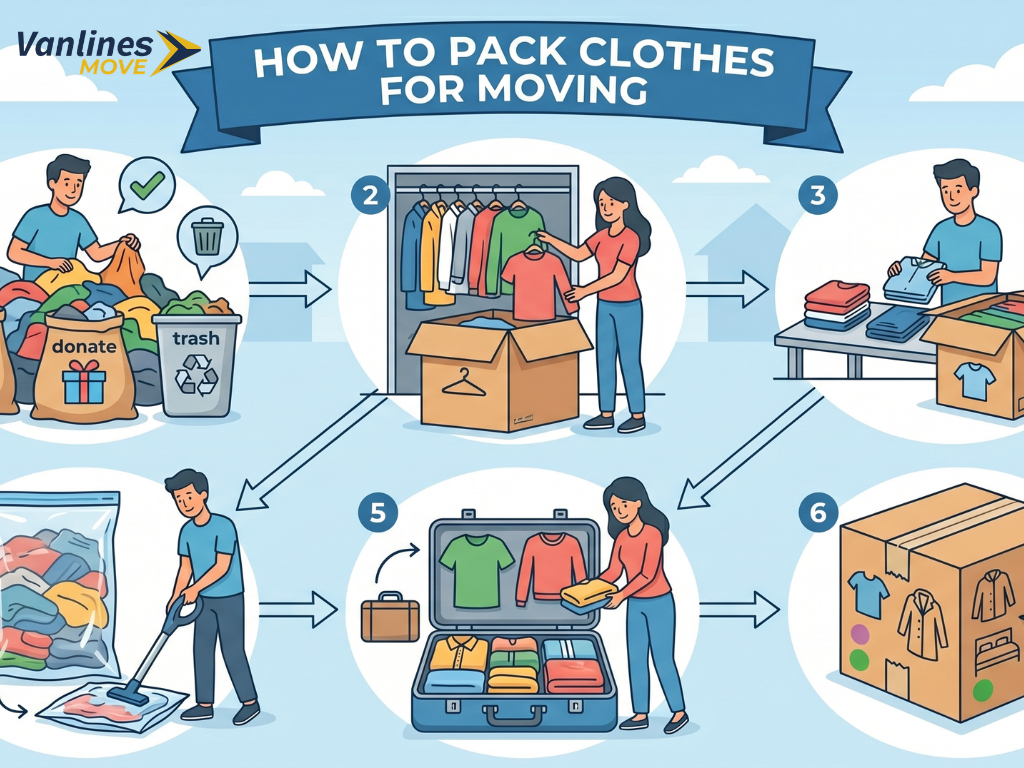
Moving is often cited as one of life's most stressful events, and for good reason. The sheer volume of items, the logistical challenges, and the emotional toll can be overwhelming. Among the myriad tasks, packing clothes for a move might seem straightforward, but it presents its own unique set of complexities. From ensuring delicate items arrive unscathed to maximizing space and minimizing wrinkles, a strategic approach is essential. This comprehensive guide will walk you through every step of the process, offering stress-free tips and tricks to make packing your wardrobe efficient, organized, and even a little enjoyable.
The goal isn't just to get your clothes from point A to point B; it's to do so in a way that preserves their condition, makes unpacking a breeze, and reduces the overall moving burden. Whether you're relocating across the city or embarking on a long-distance journey, mastering the art of packing clothes will save you time, effort, and potential wardrobe mishaps.
Phase 1: The Essential Pre-Packing Preparation
Before you even think about folding a single shirt, a robust preparation phase is critical. This initial stage sets the foundation for an organized and efficient packing process, preventing last-minute rushes and unnecessary stress.
Decluttering Your Wardrobe: The First Crucial Step
There's no better time to declutter than before a move. Every item you pack is an item you have to unpack, transport, and find space for in your new home. Moving provides a perfect opportunity to reassess your wardrobe and shed items you no longer wear, need, or love. This process not only lightens your load but also helps you start fresh in your new space.
- The "Keep, Donate, Sell, Discard" Method: Go through every single piece of clothing. Ask yourself:
- Have I worn this in the last year?
- Does it fit well and make me feel good?
- Is it in good condition?
- Do I genuinely need it?
- Donate: Clothes that are in good condition but no longer serve you can find a new home. Research local charities, thrift stores, or donation centers in advance.
- Sell: High-value items, designer pieces, or clothes that are barely worn might be worth selling. Consider online marketplaces, consignment shops, or local yard sales. Factor in the time commitment for selling; if you're on a tight schedule, donation might be more practical.
- Discard: Items that are stained, torn, or beyond repair should be discarded responsibly. Check if your local recycling centers accept textiles.
- Sentimental Items: Be mindful of items with sentimental value. While it's good to declutter, don't feel pressured to get rid of everything that holds memories. Designate a special box for these items, making sure they are well-protected.
Taking Inventory: Knowing What You Have
Once you've decluttered, take a mental or physical inventory of what remains. This helps in planning your packing strategy, estimating the number of boxes needed, and ensuring nothing important is overlooked. This is also a good time to identify any specialty items that might require unique packing solutions, such as formal wear, delicate fabrics, or expensive accessories.
Gathering Your Packing Supplies
Having the right tools is paramount. Don't underestimate the importance of quality packing materials. Skimping here can lead to damaged clothes and a more difficult unpacking process.
- Moving Boxes:
- Standard Cardboard Boxes: Various sizes for folded clothes. Opt for medium to large sizes, but remember that clothes can be heavy, so don't overfill large boxes.
- Wardrobe Boxes: These are invaluable for hanging clothes. They come with a metal bar inside, allowing you to transfer clothes directly from your closet to the box, keeping them wrinkle-free. They are typically more expensive but save immense time and effort.
- Specialty Boxes: Consider smaller, sturdier boxes for shoes or accessories.
- Packing Tape: Strong, durable packing tape is a must. Use a dispenser for efficiency.
- Markers: Thick, permanent markers for clear labeling.
- Packing Paper/Bubble Wrap: For delicate items, shoes, or to fill empty spaces in boxes.
- Plastic Bags: Large, clear plastic bags (like trash bags or vacuum seal bags) are useful for protecting clothes from dust and moisture, especially for items packed in standard boxes.
- Vacuum Seal Bags: These can significantly reduce the volume of bulky items like sweaters, jackets, or bedding. However, be aware that they increase the weight of the box, so use them judiciously and distribute weight evenly.
- Suitcases/Duffel Bags: Don't forget to utilize your existing luggage. These are perfect for essentials and items you'll need immediately upon arrival.
- Labels/Stickers: Pre-printed labels can save time, or simply use plain paper and tape.
- Scissors/Box Cutter: For opening and sealing boxes.
The Essential "First Night" Bag
One of the most stress-reducing strategies is to pack a separate bag with clothes you'll need immediately. This bag should travel with you, not on the moving truck. It prevents you from digging through boxes on your first exhausted night in your new home.
- Contents:
- 1-2 changes of clothes for each family member.
- Pajamas.
- Toiletries.
- Any necessary medications.
- Important documents.
- Chargers for electronics.
- Small comfort items.
Establishing a Packing Timeline
Don't wait until the last minute. Start packing non-essential clothes weeks in advance. Begin with off-season items, formal wear, or clothes you rarely use. Gradually work your way through your wardrobe, leaving only the clothes you wear daily for the final days before the move. A comprehensive moving checklist can help you allocate specific tasks to different weeks leading up to your moving day, ensuring no stone is left unturned.
Phase 2: Sorting and Categorization Strategies
Once you've prepared your supplies and decluttered, the next step is to sort your remaining clothes. Proper categorization makes packing more efficient and unpacking infinitely easier.
Sorting by Season or Climate
If you're moving to a different climate, or simply want to keep things organized, sorting by season is a smart move. Pack off-season clothes first. If you're moving from a warm climate to a colder one, or vice-versa, consider which items you'll need first upon arrival. For instance, if you're preparing for a move from California to Hawaii, your heavy winter coats can be packed away more securely and accessed later, while your beachwear should be readily available.
- Separate: Create distinct piles for spring/summer and fall/winter clothing.
- Label Clearly: Mark boxes with "Summer Clothes" or "Winter Clothes" to avoid confusion.
- Consider Storage: If you won't need certain seasonal items for a while, consider packing them into vacuum seal bags to save space, then placing them in a designated "long-term storage" box.
Sorting by Person
For families, packing each person's clothes separately is a golden rule. This prevents mix-ups and allows everyone to unpack their personal belongings directly into their new closets or drawers without sifting through communal boxes.
- Designated Boxes: Assign specific boxes or even a color-coding system to each family member.
- Label: Clearly label each box with the owner's name.
- Essentials First: Ensure each person's "first night" bag contains their immediate necessities.
Sorting by Type of Clothing
Within each person's or seasonal category, further sorting by type can streamline the process.
- Hanging Clothes: Items that normally hang in a closet (dresses, suits, blouses, coats). These are best suited for wardrobe boxes.
- Folded Clothes: T-shirts, jeans, sweaters, activewear. These can be folded and packed into standard boxes or suitcases.
- Delicate Items: Lingerie, silk garments, formal wear that might not fit in a wardrobe box. These require special care and protection.
- Accessories: Belts, scarves, hats, jewelry. Group these together.
- Linens and Towels: While not strictly clothes, these often get packed with clothing items. They can also serve as excellent padding.
The Pre-Move Laundry Spree
Wash all your clothes before packing them. You don't want to unpack dirty laundry in your new home, especially if the move is long-distance or involves storage. Clean clothes are less likely to develop odors or attract pests during transit. Ensure everything is completely dry to prevent mildew.
Phase 3: Expert Packing Techniques for Different Garments
Now that your clothes are sorted and your supplies are ready, it's time to delve into the actual packing. Different types of clothing require different techniques to ensure they arrive in the best possible condition.
Hanging Clothes: The Wardrobe Box Advantage
For items that absolutely must remain on hangers to prevent wrinkles (suits, dresses, blazers, formal shirts), wardrobe boxes are a game-changer.
- Transfer Directly: Open the wardrobe box and lift a section of clothes (about 10-15 items) directly from your closet rod onto the box's metal bar.
- Protect Delicate Items: For very delicate items or those prone to snagging, place them in garment bags or large plastic dry-cleaning bags before hanging them in the wardrobe box.
- Fill Bottom Space: The bottom of a wardrobe box often has empty space. Utilize this for lighter, bulky items like pillows, blankets, or even shoes packed in individual bags. This maximizes space and prevents items from shifting.
- Seal Securely: Close and tape the box securely. Label clearly.
If wardrobe boxes aren't an option, you can use large trash bags. Group 5-10 hanging items together, slip a trash bag over them from the bottom up, with the hanger hooks poking through the top. Tie the bottom of the bag to keep the clothes together and protected. These bundles can then be laid flat in large moving boxes or in the back of a car.
Folded Clothes: Maximizing Space and Minimizing Wrinkles
Most of your everyday clothing will fall into this category. The goal here is to pack efficiently without causing excessive wrinkling or damage.
Folding Methods:
- Standard Fold: Suitable for most items. Fold neatly and stack them in boxes.
- Rolling Method: Rolling clothes tightly can save space and reduce wrinkles for t-shirts, jeans, and casual wear. Lay the item flat, fold it in half or thirds lengthwise, then roll tightly from one end to the other. This method works well for suitcases and duffel bags.
- KonMari Method: This vertical folding technique is excellent for drawers but can also be adapted for boxes. It involves folding clothes into small, self-contained rectangles that stand upright, allowing you to see everything at a glance. While it may not save as much space as rolling for moving boxes, it helps prevent items from getting crushed at the bottom.
Packing into Boxes:
- Line Boxes: Line the inside of your moving boxes with large plastic trash bags. This provides an extra layer of protection against dust, dirt, and moisture.
- Heavy Items First: Place heavier, more durable items (jeans, sweaters) at the bottom of the box.
- Lighter Items on Top: Layer lighter, more delicate items (t-shirts, blouses) on top.
- Fill Gaps: Use smaller clothing items, socks, or even soft linens to fill any gaps in the box. This prevents items from shifting during transit, which can lead to wrinkles and damage.
- Don't Overpack: While it's tempting to cram as much as possible, overpacking can lead to crushed clothes, bulging boxes that are difficult to seal, and increased weight.
- Vacuum Seal Bags (with caution): For bulky items like winter coats, ski gear, or comforters, vacuum seal bags are fantastic for saving space. However, remember they make the contents much denser and heavier. Distribute these heavy bags across several boxes rather than putting them all in one. Also, be mindful that delicate fabrics like wool or silk might not fare well in vacuum bags for extended periods due to compression.
Delicate Items: Special Care Required
Formal wear, silk blouses, cashmere sweaters, and intricate garments need extra attention.
- Tissue Paper: Layer acid-free tissue paper between folds of delicate items to prevent creasing and protect against friction.
- Garment Bags: For suits, gowns, or other formal wear, individual garment bags offer excellent protection. These can then be laid flat in large, shallow boxes or, ideally, hung in wardrobe boxes.
- Dedicated Box: Consider a separate, clearly labeled box for all your delicate items. Pack them loosely with plenty of tissue paper or soft items like scarves for cushioning.
Shoes: Clean and Protect
Shoes can be dirty and scuff other items if not packed properly.
- Clean Thoroughly: Wipe down all shoes, especially the soles, to remove dirt and debris.
- Stuff with Paper: Stuff shoes with packing paper, socks, or even small clothing items to help them retain their shape.
- Individual Bags: Place each pair of shoes in a plastic bag, shoe bag, or wrap them in packing paper to prevent dirt transfer and scuffing.
- Original Boxes: If you have the original shoe boxes, use them! They offer the best protection.
- Pack Smartly: Place heavier shoes at the bottom of boxes. You can also use shoes to fill gaps in clothing boxes, provided they are clean and bagged.
Accessories: Belts, Scarves, Hats, and Jewelry
These smaller items can easily get lost or damaged if not packed thoughtfully.
- Belts: Roll belts tightly or lay them flat. You can place them in a small box or coil them within larger clothing boxes.
- Scarves: Fold or roll scarves and place them in a dedicated small box or use them as padding for other items.
- Hats: Stuff hats with tissue paper to help them maintain their shape. Place them in a sturdy box, preferably on their own or with very light items on top, to prevent crushing.
- Jewelry: This is a critical item for careful packing.
- Small Items: Use jewelry rolls, small plastic bags, or even egg cartons for earrings and rings.
- Necklaces: Thread one end of a necklace through a straw and clasp it to prevent tangling. Alternatively, lay necklaces flat on a piece of tissue paper, fold the paper over, and roll it up.
- Valuable Jewelry: Highly valuable or sentimental jewelry should always travel with you in your "first night" bag or personal carry-on, not on the moving truck.
Linens and Towels: Double Duty
Bed linens, bath towels, and kitchen towels are not just for their primary use during a move. They are excellent for padding and filling voids.
- Use as Cushioning: Place towels and sheets at the bottom and top of boxes containing less delicate items to provide extra cushioning.
- Wrap Fragile Items: While not ideal for extremely fragile items like glassware, softer linens can wrap around shoes, handbags, or other non-clothing items that need a bit of protection.
- Vacuum Seal (for storage): If you have an abundance of linens and won't need them immediately, vacuum sealing them can save significant space.
Phase 4: Smart Packing Strategies for a Seamless Move
Beyond individual garment techniques, certain overarching strategies will make your entire clothes-packing process more efficient and your unpacking experience smoother.
Labeling: Your Unpacking GPS
Clear, detailed labeling is perhaps the most underrated aspect of moving. It saves immense time and frustration when you're trying to find specific items in your new home. For a long-distance relocation from Georgia to Ohio, for instance, clear labeling becomes even more critical due to the extended transit time and potential for items to be stored before delivery.
- Be Specific: Instead of "Clothes," write "Master Bedroom - Winter Clothes - Sweaters & Jeans." Or "Kids Room - Sarah - Everyday Play Clothes."
- Room Designation: Clearly indicate which room the box belongs in (e.g., "Master Bedroom," "Guest Closet," "Laundry Room").
- Contents Summary: List the main contents.
- "Open First" / "Essentials": Mark boxes that contain items you'll need immediately upon arrival.
- Fragile: If a box contains delicate items (even delicate clothing), mark it "Fragile."
- Label Multiple Sides: Label at least two sides of each box, plus the top. This ensures you can identify the box regardless of how it's stacked.
Weight Distribution: The Goldilocks Rule
Clothes can be surprisingly heavy, especially denim, sweaters, and coats. Avoid making boxes too heavy for one person to lift safely.
- Heavy Items in Small Boxes: Books and heavy clothing (like jeans or thick sweaters) should go into smaller boxes.
- Light Items in Large Boxes: Bulky but light items (linens, pillows, light jackets) can go into larger boxes.
- Mix and Match: If a box of light clothes feels too light, add a few heavier items (like a pair of shoes) to balance the weight, but always prioritize safety and ease of lifting.
Protection Against the Elements and Pests
Your clothes might be in transit or storage for some time. Protect them.
- Plastic Liners: As mentioned, line all cardboard boxes with large plastic trash bags. This acts as a barrier against dust, dirt, and moisture.
- Cedar Blocks/Sachets: For long-term storage or highly valuable woolens, consider adding cedar blocks or sachets to boxes. They naturally repel moths and impart a fresh scent. Ensure they don't directly touch delicate fabrics that might absorb their oils.
- Desiccants: In very humid climates, small desiccant packets (like silica gel) can help absorb moisture, though this is usually more critical for electronics or documents.
Utilizing Existing Luggage and Laundry Hampers
Don't let your suitcases, duffel bags, or laundry hampers go empty. They are excellent for packing clothes.
- Suitcases: Ideal for your "first night" essentials, or for clothes you want to keep separate and easily accessible (e.g., work clothes for the first week). Their wheels make them easy to transport.
- Duffel Bags: Great for casual clothes, gym wear, or children's clothing.
- Laundry Hampers/Baskets: Can be used for last-minute items, dirty clothes, or as containers for soft, bulky items. Just be sure they are clean.
Packing for Kids and Babies: Special Considerations
Children's clothes require a slightly different approach, focusing on accessibility and comfort.
- "First Week" Boxes: In addition to a "first night" bag, consider a "first week" box for each child. This contains enough clothes, pajamas, and essential comfort items (favorite toy, blanket) to get them through the initial chaotic unpacking period.
- Easy Access: Pack clothes in a way that allows children (or you) to easily find what they need without rummaging. Rolling clothes or using the KonMari method can be helpful.
- Diaper Bags/Baby Essentials: For infants, ensure a well-stocked diaper bag with several changes of clothes, feeding supplies, and burp cloths is readily accessible.
Seasonal Storage: Planning for Your New Climate
If your move involves a significant climate change, plan for seasonal storage.
- Separate Boxes: Clearly label boxes "Seasonal Storage - Winter" or "Seasonal Storage - Summer."
- Vacuum Seal: Use vacuum seal bags for bulky off-season items to save space in storage.
- Designated Area: Upon arrival, move these boxes directly to a basement, attic, or storage unit, rather than cluttering your immediate living space.
Phase 5: Unpacking Considerations
The way you pack directly impacts how easily you can unpack. A well-packed box of clothes means a smoother transition into your new home.
- Prioritize "First Night" and "Essentials" Boxes: Unpack these immediately. You'll be grateful for clean clothes, pajamas, and basic toiletries.
- Set Up Closets First: If possible, assemble or set up your closets and dressers before unpacking clothes boxes. This allows you to transfer items directly.
- Dealing with Wrinkles: Even with the best packing, some clothes might get wrinkled. Have a steamer, iron, or wrinkle-release spray handy. For stubborn wrinkles, hanging clothes in a steamy bathroom can work wonders.
- Immediate Laundry: Some items might benefit from a quick wash and dry to freshen them up after transit.
Phase 6: Professional Help vs. DIY Packing
While this guide empowers you to pack your clothes efficiently, it's worth considering when professional help might be beneficial.
Benefits of Professional Packing Services
- Time-Saving: Professional movers are incredibly efficient. They can pack an entire house in a fraction of the time it would take you.
- Expertise: They have specialized knowledge and techniques for packing all sorts of items, including delicate clothing, formal wear, and oddly shaped accessories. They use appropriate materials and methods to minimize damage and wrinkles.
- Reduced Stress: Delegating the packing of clothes (and other items) frees you up to focus on other critical aspects of your move, like utility transfers, school registrations, or settling into your new job.
- Insurance Coverage: Often, items packed by professional movers are covered by more comprehensive insurance policies, offering peace of mind.
- Specialty Items: If you have an extensive collection of designer clothes, vintage garments, or high-value items, professional packers can provide specialized care.
When to Consider Professional Help for Clothes Packing
- Time Constraints: If you have a very short timeline for your move.
- Large Wardrobe: If you have an exceptionally large or high-value wardrobe.
- Physical Limitations: If you have health issues or physical limitations that make packing difficult.
- Long-Distance or International Moves: These moves often involve stricter packing requirements and longer transit times, making professional packing more advantageous.
- Full-Service Move: If you're already hiring movers for transportation, adding packing services can complete the full-service experience.
Even if you opt for professional packing services for most of your belongings, you might still choose to pack your "first night" bag and other personal essentials yourself. Discuss your specific needs with your moving company to tailor a plan that works best for you.
Conclusion: Your Stress-Free Wardrobe Relocation
Packing clothes for a move doesn't have to be a daunting task. By adopting a methodical approach – starting with thorough decluttering, gathering the right supplies, strategically sorting your garments, and employing smart packing techniques – you can transform a potential source of stress into an organized and manageable process. Remember the importance of clear labeling, weight distribution, and protecting your items from dust and moisture. And don't forget that "first night" bag – it's your secret weapon against moving day chaos.
Whether you choose to tackle the entire packing process yourself or enlist the help of professional movers, these tips and tricks will equip you with the knowledge to ensure your wardrobe arrives at your new home intact, organized, and ready to be put away. A little planning and effort upfront will pay dividends in a smoother, more enjoyable unpacking experience, allowing you to settle into your new space with ease and style. Happy moving!
Frequently Asked Questions About Packing Clothes for Moving
1. What is the best way to pack hanging clothes to prevent wrinkles?
The absolute best way is to use wardrobe boxes. These boxes come with a metal bar inside, allowing you to transfer clothes directly from your closet to the box on their hangers, keeping them upright and wrinkle-free. For extra protection, place delicate items in garment bags before hanging them in the wardrobe box. If wardrobe boxes aren't an option, group 5-10 items together and cover them with large plastic trash bags, pulling the hangers through the top, then lay them flat in large moving boxes or in your car.
2. Should I wash all my clothes before packing them for a move?
Yes, it is highly recommended to wash all your clothes before packing. This ensures that you're not moving dirty laundry, prevents odors from developing during transit or storage, and means you'll have clean clothes ready to wear as soon as you unpack in your new home. Make sure all items are completely dry before packing to prevent mildew.
3. Can I use vacuum seal bags for packing clothes? Are there any downsides?
Yes, vacuum seal bags are excellent for saving space, especially for bulky items like sweaters, jackets, or bedding. They compress clothes significantly. However, there are a few downsides: they make the packed items much denser and heavier, so distribute them across several boxes to avoid creating excessively heavy boxes. Also, prolonged compression might not be ideal for certain delicate fabrics like wool, silk, or items with intricate embellishments, as it can cause permanent creasing or damage. Use them judiciously for durable, bulky items.
4. How should I pack shoes for moving?
First, clean all your shoes, especially the soles. Stuff shoes with packing paper, socks, or small clothing items to help them retain their shape. Place each pair in a plastic bag, shoe bag, or wrap them in packing paper to prevent dirt transfer and scuffing. If you have the original shoe boxes, use them for the best protection. Pack heavier shoes at the bottom of a box, and you can use bagged shoes to fill gaps in clothing boxes.
5. What should I put in a "first night" bag for clothes?
A "first night" bag (or box) is crucial for immediate needs. For clothes, it should contain 1-2 changes of clothes for each family member, pajamas, underwear, and socks. Also include essential toiletries, medications, important documents, device chargers, and any small comfort items. This bag should travel with you, not on the moving truck, so you don't have to dig through boxes on your first night.
6. How can I protect delicate items like formal wear or silk garments?
For formal wear, individual garment bags are ideal, and these can then be hung in wardrobe boxes or laid flat in large, shallow moving boxes. For other delicate items like silk blouses or cashmere, layer acid-free tissue paper between folds to prevent creasing and friction. Consider packing all delicate items together in a separate, clearly labeled box, using plenty of tissue paper or soft items like scarves for cushioning, and avoiding overpacking.
7. Is it better to fold or roll clothes when packing for a move?
Both folding and rolling have their advantages. Rolling clothes tightly can save space and reduce wrinkles for casual items like t-shirts, jeans, and activewear, making it great for suitcases. Standard folding is suitable for most items and allows for neat stacking in boxes. The KonMari method (vertical folding) is excellent for preventing items from getting crushed if you're packing them into drawers or specific containers within a box. Choose the method that best suits the type of garment and the packing container.
8. Should I hire professional movers to pack my clothes?
Hiring professional movers to pack your clothes can be a significant time-saver and stress-reducer, especially if you have a large wardrobe, delicate or high-value items, or a tight moving timeline. Professionals have the expertise, specialized materials (like wardrobe boxes), and efficiency to pack everything quickly and safely. They can also offer better insurance coverage for items they pack. However, it comes at an additional cost. For some, the peace of mind and convenience are well worth the investment.
Categories
- Long Distance Moving161
- Local Moving120
- Commercial Moving40
- Residential Moving34
- Last – Minute Moving25
- Furniture Moving11
- Moving Tips & Lifestyle11
- Moving Tips & How-To Guides8
- Moving services7
- Moving Costs & Budgeting6
- Moving Cost5
- Moving Cost Calculator5
- Long distance moving5
- Moving Tips5
- long distance moving5
- Moving Guides5
- Moving Container4
- moving tips4
- Moving companies4
- state to state movers4
- Piano Moving3
- Car Transportation3
- Truck Rental3
- Local Move3
- best moving rates3
- cheap moving companies3
- affordable moving companies3
- full-service movers3
- Moving3
- Long-Distance Moving3
- Moving Cost Guides3
- Moving Tips & Planning3
- Junk Removal2
- Senior Moving2
- Senior Relocation Moving Companies2
- Moving Tools2
- Moving Estimates2
- interstate moving2
- College Moving2
- Dorm Moving2
- Tips for moving2
- cross-country move2
- International moving2
- Household moving2
- Relocation Guide2
- Moving Tips & State Guides2
- Heavy Equipment1
- Senior Moving Services1
- office moving1
- office relocation1
- employee relocation1
- Car Transport1
- Vehicle Shipping1
- Car Shipping Services1
- Artificial Intelligence1
- Office Moving Services1
- Commercial Moving Companies1
- Corporate Moving Services1
- Corporate Movers1
- full-service moving companies1
- sustainable moving companies1
- green movers1
- Moving in US1
- Best places to move in 20251
- 2025 moving1
- Full-Service Moving Companies1
- College moving services1
- Moving to College1
- Moving Season1
- Spring Moving1
- donate1
- sell1
- Movers in California1
- Movers in Studio City1
- Moving to California1
- Laws about Moving into California1
- Moving Laws1
- House moving1
- packing1
- cheap moving ways1
- Moving guide1
- moving across countries1
- international relocation program1
- move out cleaning1
- right packing supplies1
- pack while moving1
- Apartment moving1
- PODS1
- moving out1
- state to state move1
- California movers1
- Truck Rental1
- US Territory Relocation1
- International Moving1
- Shipping & Moving Tips1
- Moving Budget Guide1
- Moving Tools & Equipment Guides1
- Moving Services & Options1
- Moving Tips & How-To Guides1
- Moving Day & Settling In1
- Mobile Home Moving1
- Moving Guide & Tips1
- Moving Tips & State Comparisons1
- Moving Tips & City Guides1
- Moving Tips & Cost Guides1
- Long-Distance Moving Tips1
- Moving Tips & Financial Planning1
- Moving Tips & Home Preparation1
- Vehicle Shipping & Auto Transport1
- Marketing & Lead Generation1
- International Moving Guides1
- Moving Costs1
- San Francisco Moving Guide1
- NYC Moving1
- Local Movers1
- Budget Moving1
- Student Moving1
- Affordable Moving1
- Specialty Moving Guides1
- Local & Long-Distance Moving1
- Boston Moving Guide1
- Europe Relocation Guide1
- Moving Costs & Specialty Moving1
- Cost of Living1
- Relocation1
- International Moving1
- Lifestyle & Relocation1
- State Guides1
- Home Buying Guide1
- Moving Timeline1
- Real Estate Tips1
- Appliance Moving1
- Packing & Preparation1
- Interstate Relocation1
- City-to-City Moving Guide1
- Technology for Movers1
- Moving Reviews1
- Moving Costs & Storage1
- Moving Tips & Equipment Guides1
- Moving Guides & Cost Insights1
- Moving Supplies1
- Packing Tips1
- Home Moving1
- Relocation Tips1
- State Moving Guides1
- New Home Guide1
- Relocation Advice1



 Chat with us on WhatsApp!


 BBB A+ Rated
 Great! We serve your area
 Licensed & Insured
 Takes 60 seconds

 Discount expires in
 Limited Time: Only 3 premium movers available in your area


 Your information is 100% secure