


 Local Movers
 Last-Minute Movers
 Junk Removal
 Long Distance Movers
 Piano Movers
 Heavy Equipment
 Commercial Movers
 Moving Container
 Car Transportation
 Furniture Movers
 Truck Rental
 Moving Cost Calculator
 Moving Planner
 Packing Calculator
 Moving Checklist
 Moving Insurance
 FAQ
FAQ Contact Us
 Moving Loan
 Privacy Policy
 Join Our Network
 About Us
Master Space-Saving Packing: Your Ultimate Guide


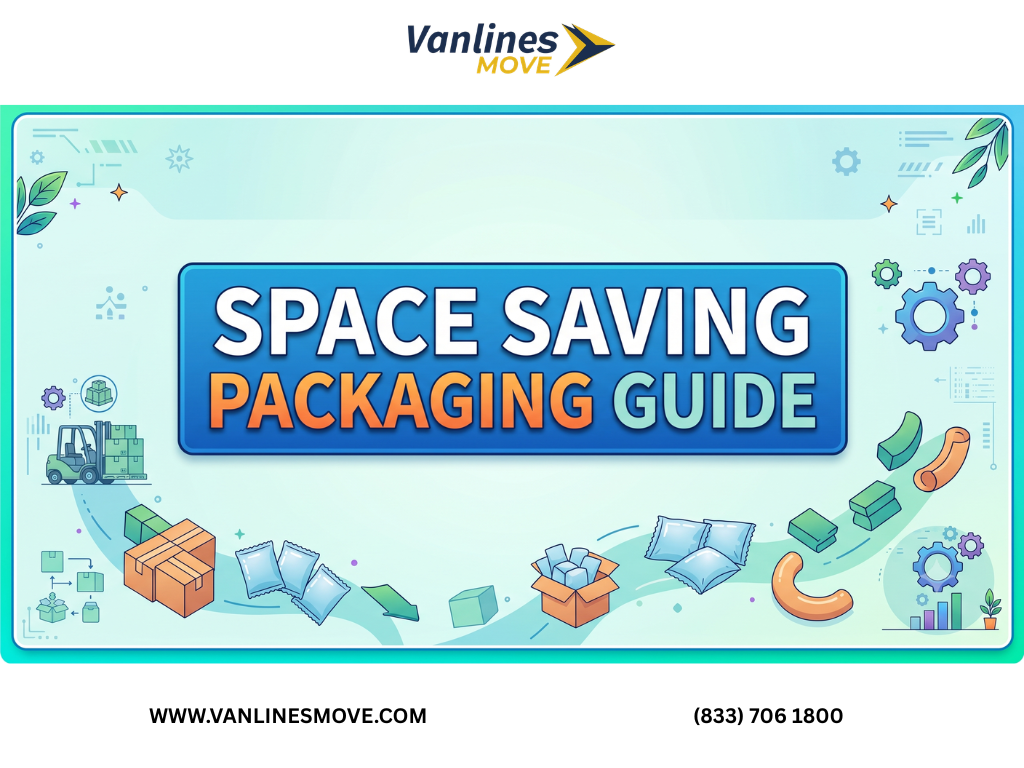
Packing for a move, a trip, or even just reorganizing your home can quickly become a daunting task, especially when space is at a premium. The challenge isn't just fitting everything into containers; it's about doing so efficiently, securely, and in a way that simplifies unpacking later. Master space-saving packing is an art and a science, blending strategic planning with clever techniques to maximize every cubic inch available. Whether you're relocating across the country, preparing for a compact apartment move, or simply aiming to declutter and optimize your storage, understanding how to pack smart can save you time, stress, and even money on moving supplies and transportation costs.
This ultimate guide delves into the core principles and actionable strategies for efficient packing, transforming you from a packing novice to a space-saving expert. From the crucial first step of decluttering to advanced techniques for various item categories, we'll equip you with the knowledge to make your next packing endeavor as smooth and streamlined as possible.
The Foundational Step: Decluttering Before You Pack
The most effective space-saving strategy isn't about how you pack, but what you pack. Before a single box is taped or a bag is zippered, commit to a thorough decluttering process. Every item you decide not to move or store is space saved, weight reduced, and effort minimized.
The "Keep, Donate, Sell, Discard" Method
- Keep: Only pack items you genuinely use, love, or need. Be ruthless in your assessment. If you haven't used it in a year, question its necessity.
- Donate: Items in good condition that you no longer need can find a new home. Research local charities, thrift stores, or donation centers.
- Sell: For higher-value items or collectibles, consider selling them online or at a local consignment shop. This can also provide some extra funds for your move or trip.
- Discard: Dispose of broken, unusable, or expired items responsibly. Check local guidelines for hazardous waste or electronics recycling.
This initial purge is not just about saving space; it's about simplifying your life and ensuring that your new environment isn't immediately overwhelmed with unnecessary clutter. It sets the stage for a truly efficient packing process.
Choosing the Right Packing Materials
The tools you use are just as important as the techniques. Investing in appropriate, high-quality packing materials can prevent damage and maximize space.
Types of Packing Materials and Their Uses
- Moving Boxes: Standard cardboard boxes are essential. Opt for sturdy, double-walled boxes for heavier items. Use small boxes for books and heavy kitchenware, medium for general household items, and large for lighter, bulky items like linens. Consistent box sizes make stacking easier and more stable.
- Packing Tape: Heavy-duty packing tape is crucial for securing boxes. Use a dispenser for efficiency.
- Bubble Wrap & Packing Paper: For fragile items, these provide cushioning. Packing paper is excellent for wrapping dishes and filling voids.
- Vacuum Seal Bags: A game-changer for soft goods like clothing, bedding, and towels. These bags remove air, compressing items significantly. Note: While they save space, they don't reduce weight, so be mindful of box weight limits.
- Packing Cubes: Ideal for organizing clothes and smaller items within suitcases or larger boxes. They don't compress as much as vacuum bags but provide excellent compartmentalization, making items easier to find.
- Specialty Boxes: Wardrobe boxes allow clothes to hang, saving folding time and preventing wrinkles. Dish pack boxes are designed with dividers for safe dish transport.
- Plastic Bins/Totes: Reusable and durable, these are great for items you'll access frequently or for long-term storage, offering better protection than cardboard.
Strategic Packing Techniques for Maximum Space
Once you have your materials and a decluttered inventory, it's time to apply smart packing techniques.
The Art of Rolling vs. Folding (Clothing)
For clothes, the debate between rolling and folding often comes down to personal preference and fabric type. However, for maximum space-saving:
- Rolling: Tightly rolling clothes, especially softer fabrics like t-shirts, jeans, and casual wear, can significantly reduce wrinkles and create compact, uniform bundles that fit snugly into every corner of a suitcase or box.
- Folding: For stiffer garments or items prone to creasing (e.g., formal shirts, blazers), a careful fold might be better to prevent deep wrinkles. However, strategic folding can still save space. Try the KonMari method or bundle wrapping for certain items.
Combine rolling with packing cubes or vacuum bags for ultimate efficiency, especially when preparing for a long-distance relocation like moving from California to Pennsylvania, where every inch in a moving truck counts.
Nesting and Stacking (Kitchenware, Containers)
Many items are designed to fit inside one another, and utilizing this "nesting" principle is crucial for kitchenware and storage containers.
- Pots and Pans: Stack pots and pans of similar sizes, placing a layer of packing paper or a cloth between each to prevent scratches. Place lids upside down on top of the stack or pack them vertically in a box.
- Bowls and Plates: Wrap each plate individually in packing paper, then stack them vertically in a dish pack box. This distributes weight evenly and reduces the risk of breakage. Bowls can often be nested with paper in between.
- Plastic Containers: Nest all plastic food storage containers and their lids separately.
Filling Empty Spaces (The "Stuffing" Method)
Voids in boxes are wasted space and can lead to items shifting and breaking. Fill every available gap:
- Shoes: Stuff socks, small accessories, or even rolled t-shirts inside shoes. Pack shoes along the edges of boxes or in corners to fill irregular gaps.
- Linens/Towels: Use soft items like towels, bedding, or even sweaters as additional padding around fragile items, or to fill odd-shaped gaps in boxes of miscellaneous items.
- Toiletries: Place small, sealed toiletries into shoes or the pockets of bags.
Vertical Packing
Think vertically, not just horizontally. This applies to books, records, and even plates.
- Books: Pack books vertically, spine down, as if they were on a shelf. This prevents spine damage and allows for more books per box, though be mindful of box weight.
- Records/Vinyl: Similar to books, pack records vertically to prevent warping.
Utilizing Compression: Vacuum Bags and Packing Cubes
- Vacuum Bags: Essential for bulky items like winter coats, duvets, pillows, and seasonal clothing. They can reduce volume by up to 80%. Remember, while they save space, they increase density, so distribute them across several boxes to manage weight.
- Packing Cubes: Excellent for organizing smaller clothing items, underwear, socks, and accessories within larger bags or boxes. They make it easy to find specific items without rummaging and can be transferred directly to drawers upon arrival.
Packing Specific Item Categories
Clothing and Linens
Beyond rolling and vacuum sealing, consider your seasonal needs. Pack off-season clothes in vacuum bags for long-term storage or shipment. Keep essential clothing for immediate use in a separate "first night" box or bag.
Books and Documents
Books are heavy. Use small boxes and pack them tightly, vertically. For important documents, consider digitizing them or keeping originals in a secure, easily accessible fireproof box that you transport personally. Do not pack sensitive documents in boxes that will be moved by a third party.
Kitchenware and Pantry Items
- Dishes: Wrap each item individually. Use dish pack boxes with dividers for maximum protection and space utilization.
- Glassware: Wrap individually and pack in cell kits or upright in boxes, cushioning with paper.
- Pantry: Dispose of open or perishable food. Pack non-perishable, sealed items in small boxes, ensuring they are well-sealed to prevent spills.
Electronics and Cables
Original boxes are best for electronics. If unavailable, use sturdy boxes with plenty of padding. Label all cables and consider using small zip-top bags for each device's cables, clearly labeled. Wind cables neatly and secure with ties to prevent tangles and save space.
Toiletries and Liquids
Minimize liquids. Use travel-sized containers or transfer products to smaller, leak-proof bottles. Place all liquids in sealed plastic bags to prevent spills. Pack these in an easily accessible bag, especially for travel, or in a box clearly marked "Liquids - Handle with Care" for moving.
Sentimental Items and Valuables
These items should ideally be transported by you. For larger sentimental items that must be packed, ensure they are exceptionally well-padded and placed in sturdy boxes. Label these boxes clearly and handle them with extreme care. For valuable items, consider professional appraisal and specialized moving services, especially when undertaking a significant move, such as moving from Indiana to New York.
Labeling and Inventory: The Unsung Heroes of Space-Saving
While not directly a space-saving technique, effective labeling and inventory management are critical for efficient unpacking and preventing unnecessary re-packing or searching, which indirectly saves time and space in the long run.
- Label Every Box: Clearly write the contents, the room it belongs in, and "fragile" if applicable. Use different colored labels for each room for quick identification.
- Create an Inventory List: Number each box and keep a master list of contents. This is invaluable for tracking items, insurance purposes, and locating specific items quickly.
- "Open First" Boxes: Designate a few boxes for essentials you'll need immediately upon arrival (toiletries, a change of clothes, basic kitchen items, tools).
Maximizing Vehicle and Storage Space
For self-movers or those utilizing storage units, the way you load is just as important as how you pack.
- Load Heavy Items First: Place the heaviest boxes and furniture at the bottom and front of the moving truck or storage unit.
- Even Weight Distribution: Distribute weight evenly to maintain balance.
- Utilize Height: Stack boxes as high as safely possible, placing lighter boxes on top of heavier ones.
- Fill Gaps: Use soft items like bedding, pillows, or blankets to fill any remaining voids and prevent items from shifting during transit.
- Disassemble Furniture: Take apart beds, tables, and desks to save significant space. Keep all hardware in clearly labeled bags attached to the corresponding furniture piece.
Tips for Specific Scenarios
Long-Distance Moves
For long-distance moves, durability and security are paramount. Invest in higher-quality boxes and packing materials. Consider professional movers for large or fragile items. Vacuum bags are particularly useful for reducing the volume of clothing and linens, which can significantly impact the total cubic feet your belongings occupy in a moving truck.
Temporary Storage
When packing for temporary storage, prioritize protection from dust, pests, and temperature fluctuations. Use plastic bins for items susceptible to moisture or pests. Ensure everything is clean and dry before storing. Label clearly for easy retrieval, especially if you anticipate needing certain items before the storage term ends.
International Moves
International moves often have strict weight and volume restrictions. This is where space-saving packing becomes absolutely critical. Be extremely selective during decluttering. Consider shipping only essential items and selling/donating larger, less critical possessions. Research customs regulations for prohibited items and specific packing requirements.
Conclusion
Mastering space-saving packing is more than just fitting things into a box; it's about optimizing your entire moving or storage experience. By embracing decluttering, choosing the right materials, and employing strategic packing techniques, you can reduce stress, protect your belongings, and streamline the unpacking process. Whether you're embarking on a major life transition or simply reorganizing your living space, these methods will empower you to pack smarter, not harder, making every cubic inch count.
For more general advice on preparing for a move, from hiring movers to understanding logistics, be sure to check our comprehensive frequently asked questions section.
Frequently Asked Questions (FAQs)
Q1: Is it better to roll or fold clothes for space-saving?
A1: For most casual clothing items like t-shirts, jeans, and activewear, rolling them tightly can save more space and reduce wrinkles compared to traditional folding. However, for delicate fabrics or formal wear prone to creasing, careful folding might be preferred, sometimes combined with methods like bundle wrapping.
Q2: Can vacuum seal bags damage my clothes?
A2: Vacuum seal bags are generally safe for most fabrics. However, avoid using them for delicate items like leather, fur, or items with intricate embellishments, as the extreme compression can cause permanent creasing or damage. Always ensure clothes are completely dry before sealing to prevent mildew.
Q3: How do I pack fragile items like dishes to save space without breaking them?
A3: To save space and ensure safety, wrap each dish individually in packing paper, then stack them vertically in a sturdy box, preferably a specialized dish pack box with dividers. Use crumpled paper or soft linens to fill any gaps, preventing movement during transit. Vertical packing distributes pressure more evenly than horizontal stacking.
Q4: What's the best way to pack books to save space and manage weight?
A4: Books are heavy, so use small, sturdy boxes. Pack them vertically with the spine down, as if they were on a bookshelf. This helps prevent spine damage and allows you to fit more books per box. However, be mindful of the box's weight; a box of books can quickly become too heavy to lift.
Q5: How can I maximize space in a moving truck or storage unit?
A5: Start by loading the heaviest and largest items (like appliances and major furniture) at the back and bottom. Distribute weight evenly. Then, stack boxes vertically, placing heavier boxes at the bottom and lighter ones on top. Use soft items like blankets, pillows, and towels to fill any remaining gaps and prevent items from shifting.
Q6: Should I disassemble furniture to save space?
A6: Yes, disassembling furniture like beds, tables, and desks can significantly save space in a moving truck or storage unit. Make sure to keep all screws, bolts, and small parts in clearly labeled bags attached to the corresponding furniture piece to simplify reassembly.
Q7: What are "first night" boxes, and how do they save space?
A7: "First night" boxes are essential boxes packed with items you'll need immediately upon arrival at your new destination, such as toiletries, a change of clothes, basic kitchen essentials, medications, and important documents. While they don't directly save physical space in a truck, they save mental space and time by preventing you from having to rummage through all your packed boxes to find immediate necessities.
Categories
- Long Distance Moving159
- Local Moving120
- Commercial Moving40
- Residential Moving34
- Last – Minute Moving25
- Furniture Moving11
- Moving Tips & Lifestyle11
- Moving Tips & How-To Guides8
- Moving services7
- Moving Costs & Budgeting6
- Moving Cost5
- Moving Cost Calculator5
- Moving Tips5
- Moving Guides5
- moving tips4
- Moving companies4
- state to state movers4
- Piano Moving3
- Car Transportation3
- Truck Rental3
- Moving Container3
- Local Move3
- best moving rates3
- cheap moving companies3
- affordable moving companies3
- full-service movers3
- Moving3
- Long distance moving3
- Long-Distance Moving3
- Moving Cost Guides3
- Moving Tips & Planning3
- long distance moving3
- Junk Removal2
- Senior Moving2
- Senior Relocation Moving Companies2
- Moving Tools2
- Moving Estimates2
- interstate moving2
- College Moving2
- Dorm Moving2
- Tips for moving2
- cross-country move2
- International moving2
- Household moving2
- Relocation Guide2
- Moving Tips & State Guides2
- Heavy Equipment1
- Senior Moving Services1
- office moving1
- office relocation1
- employee relocation1
- Car Transport1
- Vehicle Shipping1
- Car Shipping Services1
- Artificial Intelligence1
- Office Moving Services1
- Commercial Moving Companies1
- Corporate Moving Services1
- Corporate Movers1
- full-service moving companies1
- sustainable moving companies1
- green movers1
- Moving in US1
- Best places to move in 20251
- 2025 moving1
- Full-Service Moving Companies1
- College moving services1
- Moving to College1
- Moving Season1
- Spring Moving1
- donate1
- sell1
- Movers in California1
- Movers in Studio City1
- Moving to California1
- Laws about Moving into California1
- Moving Laws1
- House moving1
- packing1
- cheap moving ways1
- Moving guide1
- moving across countries1
- international relocation program1
- move out cleaning1
- right packing supplies1
- pack while moving1
- Apartment moving1
- PODS1
- moving out1
- state to state move1
- California movers1
- Truck Rental1
- US Territory Relocation1
- International Moving1
- Shipping & Moving Tips1
- Moving Budget Guide1
- Moving Tools & Equipment Guides1
- Moving Services & Options1
- Moving Tips & How-To Guides1
- Moving Day & Settling In1
- Mobile Home Moving1
- Moving Guide & Tips1
- Moving Tips & State Comparisons1
- Moving Tips & City Guides1
- Moving Tips & Cost Guides1
- Long-Distance Moving Tips1
- Moving Tips & Financial Planning1
- Moving Tips & Home Preparation1
- Vehicle Shipping & Auto Transport1
- Marketing & Lead Generation1
- International Moving Guides1
- Moving Costs1
- San Francisco Moving Guide1
- NYC Moving1
- Local Movers1
- Budget Moving1
- Student Moving1
- Affordable Moving1
- Specialty Moving Guides1
- Local & Long-Distance Moving1
- Boston Moving Guide1
- Europe Relocation Guide1
- Moving Costs & Specialty Moving1
- Cost of Living1
- Relocation1
- International Moving1
- Lifestyle & Relocation1
- State Guides1
- Home Buying Guide1
- Moving Timeline1
- Real Estate Tips1
- Appliance Moving1
- Packing & Preparation1
- Interstate Relocation1
- City-to-City Moving Guide1
- Technology for Movers1
- Moving Reviews1
- Moving Costs & Storage1
- Moving Tips & Equipment Guides1
- Moving Guides & Cost Insights1
- Moving Supplies1
- Packing Tips1
- Home Moving1
- Relocation Tips1
- State Moving Guides1
- New Home Guide1
- Relocation Advice1


 Chat with us on WhatsApp!


 BBB A+ Rated
 Great! We serve your area
 Licensed & Insured
 Takes 60 seconds

 Discount expires in
 Limited Time: Only 3 premium movers available in your area


 Your information is 100% secure