


 Local Movers
 Last-Minute Movers
 Junk Removal
 Long Distance Movers
 Piano Movers
 Heavy Equipment
 Commercial Movers
 Moving Container
 Car Transportation
 Furniture Movers
 Truck Rental
 Moving Cost Calculator
 Moving Planner
 Packing Calculator
 Moving Checklist
 Moving Insurance
 FAQ
FAQ Contact Us
 Moving Loan
 Privacy Policy
 Join Our Network
 About Us
How to Move a Shed Safely: Your Complete Guide


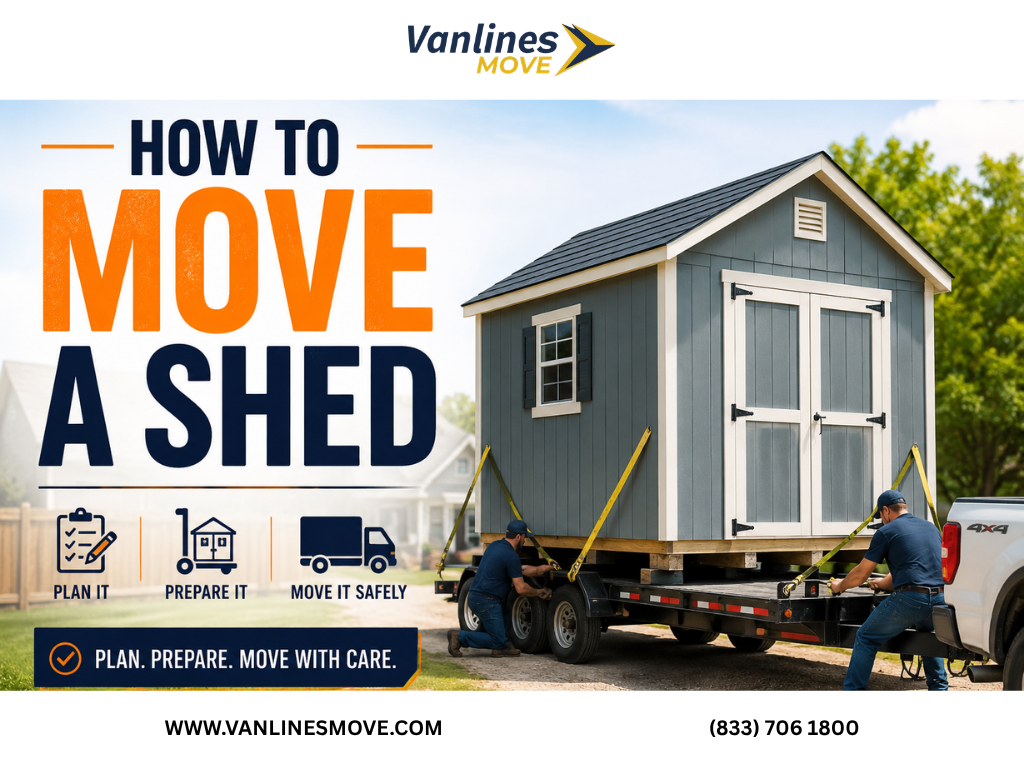
Moving a shed, whether across your yard or to a new property, presents a unique set of challenges. It requires careful planning, the right tools, and an understanding of safety protocols to prevent damage to the structure or injury to yourself. This comprehensive guide details the essential steps, methods, and considerations for safely relocating a shed, empowering you to tackle the project effectively or make an informed decision about professional assistance.
Assessing Your Shed and Planning the Move
Before you even think about lifting, a thorough assessment and meticulous planning are crucial. This initial phase dictates the feasibility of a DIY move versus hiring professionals and helps identify the best method for your specific shed.
Shed Characteristics
- Size and Weight: Measure your shed's dimensions (length, width, height) and estimate its weight. Small, empty sheds (e.g., 6x8 ft, plastic or lightweight wood) might be manageable for a few strong individuals. Larger, sturdier sheds (e.g., 10x12 ft or more, with concrete floors or heavy timber) almost always require specialized equipment or professional movers.
- Construction Material: Wood, metal, or plastic sheds have different structural integrity and weight distribution. Wooden sheds can be prone to racking if not properly supported, while metal sheds might bend.
- Condition: Inspect the shed for rot, loose boards, damaged framing, or any structural weaknesses. A compromised shed could collapse during the move. Reinforce weak points if necessary.
Site Evaluation and Route Planning
- Current Location: Note obstacles like fences, trees, power lines, or uneven terrain around the shed.
- New Location: Prepare the new site in advance. Ensure it's level, has a proper foundation (gravel pad, concrete slab, skids), and is free of obstructions.
- Path Assessment: Map out the exact route the shed will travel. Measure gate openings, consider ground stability (avoid soft, wet soil), and identify any slopes or tight turns. Clear the path of debris, rocks, and low-hanging branches. If moving over a longer distance, consider road regulations and permits.
Tools and Equipment Required
The necessary equipment varies significantly based on the shed's size and the chosen moving method. Common items include:
- Heavy-duty jacks (bottle jacks, floor jacks, or even car jacks for smaller sheds)
- Lumber for blocking and cribbing (4x4s, 2x4s)
- Pry bars or crowbars
- Pipes or PVC rollers (at least 3-4 inches in diameter, steel or thick PVC)
- Wooden or steel skids/beams (4x4s or larger, longer than the shed's width)
- Ratchet straps or heavy-duty ropes
- Gloves, steel-toed boots, safety glasses
- Optional: Forklift, tractor with front-end loader, shed moving trailer, tow strap, come-along winch.
Preparation Phase: Getting Your Shed Ready
Once your plan is solid, prepare the shed and the surrounding area for the move.
Empty and Clean the Shed
Remove everything from inside the shed. This reduces weight and prevents items from shifting and causing damage during transport. Sweep out any debris and ensure the shed is as light as possible.
Secure All Openings and Loose Components
Close and latch all windows and doors securely. If windows are fragile, consider boarding them up with plywood or removing them entirely for transport. Secure any loose shelving, hooks, or fixtures inside the shed.
Reinforce the Structure (If Necessary)
For older or larger sheds, temporarily brace the interior walls with 2x4s to prevent racking or twisting during the move. This is especially important for sheds without a solid floor or those with weak wall connections.
How to Move a Shed Safely in 2026?
The method you choose depends on the shed's size, weight, and the distance it needs to travel. Always prioritize safety over speed.
Method 1: Manual Rolling (Skids and Rollers) - Best for Shorter Distances, Smaller to Medium Sheds
This DIY method is suitable for moving sheds across a yard or short distances on relatively flat ground. It requires significant manual effort and multiple people.
Steps:
- Lift the Shed: Using jacks and pry bars, carefully lift one side of the shed. Place sturdy 4x4 or 6x6 skids perpendicular to the direction of travel, underneath the shed's base. Ensure these skids extend beyond the shed's width for stability. Repeat for the other side until the shed rests entirely on the skids.
- Place Rollers: Once the shed is on skids and slightly elevated, place several steel pipes or thick PVC rollers (at least 3-4 inches in diameter) perpendicular to the skids, directly under them, in the direction of travel. Ensure the rollers are evenly spaced and can support the weight.
- Start Rolling: With several people, gently push or pull the shed forward. As the shed moves, the rollers will emerge from the back. Continuously move the rearmost rollers to the front, creating a rolling path.
- Guide and Control: Use pry bars or leverage to steer the shed. Maintain a slow, controlled pace. Ensure the path ahead is clear and level.
- Lowering: Once at the new location, reverse the lifting process. Use jacks to lift the shed off the skids and rollers, then carefully lower it onto its new foundation.
Safety Tip: Never place hands or feet under the shed while it is elevated or moving. Use blocking for temporary support when adjusting rollers or skids.
Method 2: Using a Trailer or Flatbed - Best for Medium to Large Sheds, Longer Distances
For sheds that need to traverse a longer distance or move off your property, a utility trailer or flatbed truck is often the best solution. This method may require access to heavy machinery.
Steps:
- Prepare the Trailer: Ensure the trailer is rated for the shed's weight. Position it as close as possible to the shed's current location.
- Lift and Load:
- Option A (Manual/Winch): Lift the shed onto skids as in Method 1. Use a heavy-duty winch or come-along attached to the trailer to slowly pull the shed up ramps and onto the trailer bed. This requires careful alignment and can be labor-intensive.
- Option B (Forklift/Tractor): If you have access to heavy equipment like a forklift or a tractor with a front-end loader, it can significantly simplify lifting the shed onto the trailer. Ensure the equipment has the necessary lifting capacity and proper attachments.
- Secure the Shed: Once on the trailer, center the shed and secure it firmly using multiple heavy-duty ratchet straps. Attach straps to the shed's frame (not just the siding) and the trailer's tie-down points. Cross-strap for maximum stability. Drive slowly and check straps frequently during transit.
- Transport: Drive carefully, especially around turns and over bumps. Be mindful of the shed's height and width, particularly when navigating underpasses or narrow roads.
- Unload and Install: At the new site, reverse the loading process. Carefully lower the shed onto its prepared foundation.
This method often requires more specialized equipment and potentially a larger team. When considering the costs associated with renting equipment or hiring help, it's prudent to get an accurate estimate. For those planning a full relocation, understanding moving cost calculator can be invaluable for budgeting all aspects of your move.
Method 3: Hiring Professional Shed Movers or a Crane - Best for Large, Heavy, or Complex Moves
Sometimes, the safest and most efficient solution is to entrust the job to professionals. This is highly recommended for very large sheds, those with complex foundations, or when moving over significant distances.
- When to Hire:
- Shed exceeds 10x12 feet or is exceptionally heavy.
- Difficult terrain or obstacles are present.
- Long-distance relocation (e.g., between properties or towns).
- You lack the necessary equipment, manpower, or experience.
- What Professionals Offer:
- Specialized Equipment: Professional shed movers have dedicated shed trailers, hydraulic lifts, and sometimes cranes for precise placement.
- Expertise: They understand structural integrity, weight distribution, and safe lifting techniques.
- Insurance: Reputable movers carry insurance to cover potential damages.
- Permits: They can assist with or handle any necessary transportation permits for oversized loads.
While the cost may be higher, the peace of mind and reduced risk of damage or injury often outweigh the expense. If you're coordinating this as part of a larger relocation, such as moving from NJ to Florida, professional movers can often integrate shed transport into your overall moving plan, simplifying logistics.
Post-Move: Securing Your Shed
Once your shed is in its new location, the job isn't quite finished.
- Leveling: Ensure the shed is perfectly level on its new foundation. Use shims if necessary. A level shed prevents door and window alignment issues and structural stress.
- Anchoring: Secure the shed to its foundation to prevent it from shifting in high winds. Use hurricane ties, anchor bolts, or heavy-duty screws, depending on your shed's construction and local building codes.
- Final Inspection: Check for any damage incurred during the move, such as loose siding, shifted roofing, or cracked windows. Make any necessary repairs promptly.
Safety First: General Precautions
- Never Work Alone: Always have at least one spotter or helper. The more hands, the safer and easier the job.
- Wear PPE: Gloves, steel-toed boots, and safety glasses are essential.
- Clear Communication: Establish clear signals and communication between all team members.
- Lift with Your Legs: When manually lifting, use proper lifting techniques to protect your back.
- Overestimate Weight: Assume the shed is heavier than you think.
- Watch for Pinch Points: Be aware of areas where fingers or limbs could get caught.
- Don't Rush: Take your time. Rushing leads to mistakes and accidents.
- Professional Help: If at any point the task feels overwhelming or unsafe, do not hesitate to call professionals. Companies that specialize in large-scale relocations, like those assisting with moving from Florida to Wisconsin, often have partners or services that can handle shed transport efficiently.
Moving a shed can be a demanding project, but with careful planning, the right equipment, and a strong emphasis on safety, it's an achievable DIY task for smaller structures. For larger or more complex moves, recognizing when to call in the experts ensures a smooth, safe, and successful relocation of your valuable outdoor storage space.
Frequently Asked Questions About Moving a Shed
How much does it cost to move a shed professionally?
The cost varies widely based on the shed's size, weight, distance of the move, accessibility, and complexity. Smaller sheds moved locally might cost a few hundred dollars, while larger sheds moved long-distance or requiring special equipment (like a crane) can range from $1,000 to several thousand dollars. Always get multiple quotes.
Do I need a permit to move a shed?
It depends on your local municipality and the distance of the move. For moving a shed within your own property, permits are rarely needed. However, if moving it onto public roads or across property lines, you may need permits for oversized loads, especially for wider sheds. Check with your local Department of Transportation or city/county planning office.
Can I move a shed with a concrete floor?
Moving a shed with a concrete floor is significantly more challenging due to the increased weight and rigidity. It often requires heavy-duty equipment like a forklift, specialized shed trailer, or a crane. DIY methods with rollers are usually not feasible for concrete-floored sheds unless they are very small and you have exceptionally robust equipment and ample manpower.
How many people does it take to move a shed?
For a small, empty shed (e.g., 6x8 ft), 3-4 strong individuals might suffice for a short distance using manual methods. For medium-sized sheds (e.g., 8x10 to 10x12 ft), 4-6 people are generally recommended, along with appropriate lifting and rolling equipment. Very large sheds usually require mechanical assistance or professional movers.
How do I prepare the new site for the shed?
The new site should be cleared, level, and have a proper foundation. Common foundations include a gravel pad, concrete slab, treated lumber skids, or concrete blocks. The foundation must be perfectly level to prevent structural issues with the shed over time and ensure doors and windows operate correctly.
What if the ground is uneven or soft?
Moving a shed over uneven or soft ground is risky. Uneven ground can cause the shed to tip or get stuck. Soft ground can cause equipment to sink, making it difficult to roll or pull the shed. Consider laying down plywood sheets or temporary gravel paths to create a stable, level surface for the move. Avoid moving during or immediately after heavy rain.
Categories
- Long Distance Moving162
- Local Moving120
- Commercial Moving40
- Residential Moving34
- Last – Minute Moving25
- Furniture Moving11
- Moving Tips & Lifestyle11
- Moving Tips & How-To Guides8
- Moving services7
- Long distance moving6
- Moving Costs & Budgeting6
- long distance moving6
- Moving Cost5
- Moving Cost Calculator5
- Moving Tips5
- Moving Guides5
- Moving Container4
- moving tips4
- Moving companies4
- state to state movers4
- Piano Moving3
- Car Transportation3
- Truck Rental3
- Local Move3
- best moving rates3
- cheap moving companies3
- affordable moving companies3
- full-service movers3
- Moving3
- Long-Distance Moving3
- Moving Cost Guides3
- Moving Tips & Planning3
- Junk Removal2
- Senior Moving2
- Senior Relocation Moving Companies2
- Moving Tools2
- Moving Estimates2
- interstate moving2
- College Moving2
- Dorm Moving2
- Tips for moving2
- cross-country move2
- International moving2
- Household moving2
- Relocation Guide2
- Moving Tips & State Guides2
- Heavy Equipment1
- Senior Moving Services1
- office moving1
- office relocation1
- employee relocation1
- Car Transport1
- Vehicle Shipping1
- Car Shipping Services1
- Artificial Intelligence1
- Office Moving Services1
- Commercial Moving Companies1
- Corporate Moving Services1
- Corporate Movers1
- full-service moving companies1
- sustainable moving companies1
- green movers1
- Moving in US1
- Best places to move in 20251
- 2025 moving1
- Full-Service Moving Companies1
- College moving services1
- Moving to College1
- Moving Season1
- Spring Moving1
- donate1
- sell1
- Movers in California1
- Movers in Studio City1
- Moving to California1
- Laws about Moving into California1
- Moving Laws1
- House moving1
- packing1
- cheap moving ways1
- Moving guide1
- moving across countries1
- international relocation program1
- move out cleaning1
- right packing supplies1
- pack while moving1
- Apartment moving1
- PODS1
- moving out1
- state to state move1
- California movers1
- Truck Rental1
- US Territory Relocation1
- International Moving1
- Shipping & Moving Tips1
- Moving Budget Guide1
- Moving Tools & Equipment Guides1
- Moving Services & Options1
- Moving Tips & How-To Guides1
- Moving Day & Settling In1
- Mobile Home Moving1
- Moving Guide & Tips1
- Moving Tips & State Comparisons1
- Moving Tips & City Guides1
- Moving Tips & Cost Guides1
- Long-Distance Moving Tips1
- Moving Tips & Financial Planning1
- Moving Tips & Home Preparation1
- Vehicle Shipping & Auto Transport1
- Marketing & Lead Generation1
- International Moving Guides1
- Moving Costs1
- San Francisco Moving Guide1
- NYC Moving1
- Local Movers1
- Budget Moving1
- Student Moving1
- Affordable Moving1
- Specialty Moving Guides1
- Local & Long-Distance Moving1
- Boston Moving Guide1
- Europe Relocation Guide1
- Moving Costs & Specialty Moving1
- Cost of Living1
- Relocation1
- International Moving1
- Lifestyle & Relocation1
- State Guides1
- Home Buying Guide1
- Moving Timeline1
- Real Estate Tips1
- Appliance Moving1
- Packing & Preparation1
- Interstate Relocation1
- City-to-City Moving Guide1
- Technology for Movers1
- Moving Reviews1
- Moving Costs & Storage1
- Moving Tips & Equipment Guides1
- Moving Guides & Cost Insights1
- Moving Supplies1
- Packing Tips1
- Home Moving1
- Relocation Tips1
- State Moving Guides1
- New Home Guide1
- Relocation Advice1



 Chat with us on WhatsApp!


 BBB A+ Rated
 Great! We serve your area
 Licensed & Insured
 Takes 60 seconds

 Discount expires in
 Limited Time: Only 3 premium movers available in your area


 Your information is 100% secure